WASHINGTON — In a rare display of legislative unity, a bipartisan group of senators has reached a breakthrough agreement on comprehensive energy permitting reform. The proposed legislation, designed to accelerate the development of critical infrastructure projects, seeks to dismantle the regulatory gridlock that has stalled American energy projects for years. As the nation faces a surge in electricity demand—driven largely by the rapid expansion of artificial intelligence data centers—lawmakers are signaling that the status quo is no longer sustainable.
The agreement, announced Wednesday, represents a significant legislative pivot. By streamlining the National Environmental Policy Act (NEPA) and other federal review processes, the bill aims to shorten project timelines that currently span years, if not decades.
The Core Provisions of the Energy Reform Bill
The proposed legislation is wide-reaching, targeting the "red tape" that has long plagued energy development. At its core, the bill seeks to modernize the permitting landscape to accommodate both traditional and renewable energy sources.
Streamlining Environmental Review
The bill would implement stricter limits on legal challenges brought under the National Environmental Policy Act (NEPA), a landmark 1970 law that requires federal agencies to assess the environmental consequences of major projects. By tightening the criteria for these challenges, proponents hope to prevent the "paralysis by analysis" that has historically bogged down infrastructure efforts. Furthermore, the legislation restricts challenges under the National Historic Preservation Act, which has occasionally been leveraged to delay projects on grounds related to cultural artifacts and Native American sites.
Infrastructure and Transmission
To support the modernization of the electrical grid, the bill enhances the Federal Energy Regulatory Commission’s (FERC) authority to review major projects concurrently with state-level reviews. This dual-track approach is intended to synchronize the permitting timeline, preventing the bottlenecking that occurs when federal and state agencies operate in silos.
The "Data Center Tax"
A critical, consumer-focused provision of the bill addresses the massive energy footprint of artificial intelligence. Under the proposed rules, AI data centers would be legally required to bear the full financial burden of the grid upgrades necessitated by their high-consumption operations. By mandating that these tech giants pay for the infrastructure they require, the bill seeks to insulate average American households and small businesses from rising utility costs associated with the AI energy surge.
A Chronology of the Legislative Standoff
The path to this bipartisan agreement has been anything but smooth, marked by years of intense political friction and shifting priorities.
- Early 2026: As AI adoption accelerated, utility companies reported unprecedented demand forecasts, putting pressure on Congress to modernize an aging electrical grid.
- Mid-2026: Tensions reached a fever pitch as the Trump administration repeatedly moved to suspend offshore wind projects off the East Coast, citing national security concerns. These actions drew sharp rebukes from Democratic leaders, who viewed the moves as a targeted "assault" on clean energy.
- Late Summer 2026: Federal courts intervened in several instances, striking down executive orders that sought to block wind energy development. These judicial rulings forced the administration to the bargaining table.
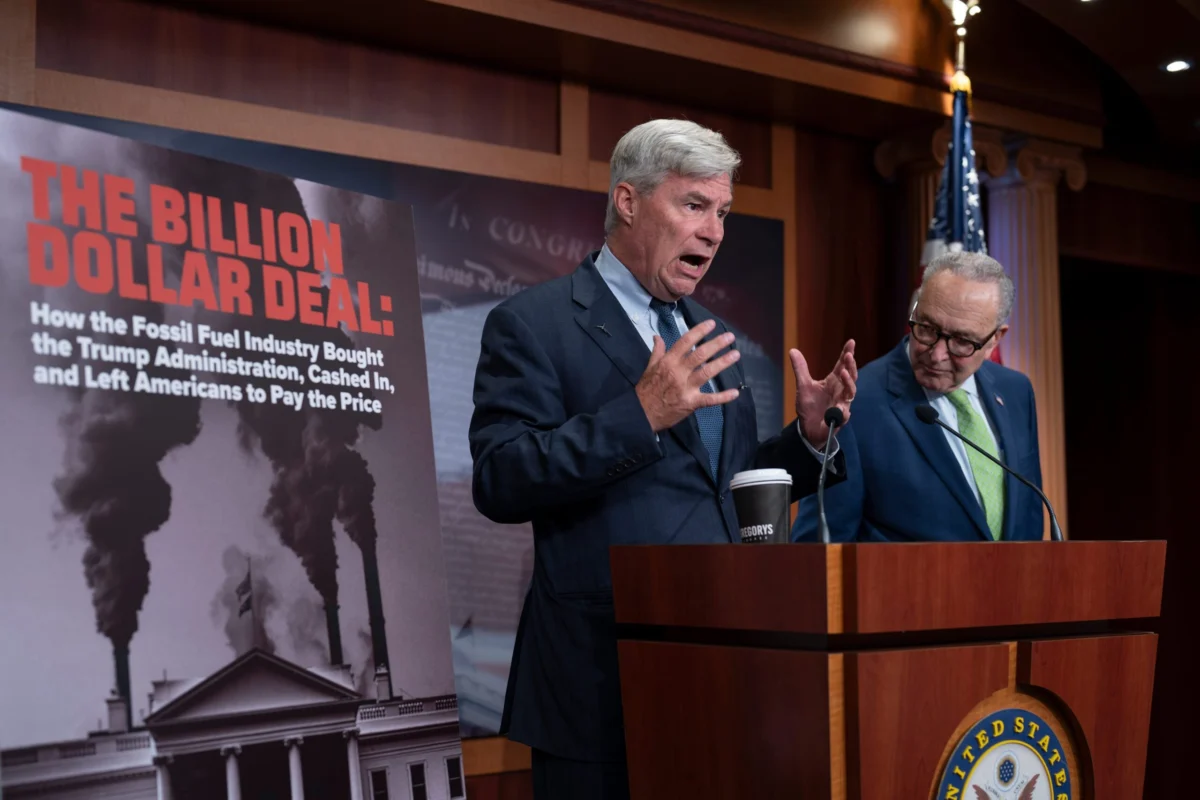
- September 2026: Recognizing that neither side could achieve their energy goals without compromise, the Senate Committee chairs—Sen. Shelley Moore Capito (R-W.Va.), Sen. Mike Lee (R-Utah), Sen. Martin Heinrich (D-N.M.), and Sen. Sheldon Whitehouse (D-R.I.)—began formal negotiations.
- September 24, 2026: Following weeks of closed-door deliberations, the bipartisan group announced the legislative framework, agreeing to prioritize grid expansion and cost-sharing over the divisive culture wars surrounding specific energy sources.
Data Centers: The Catalyst for Change
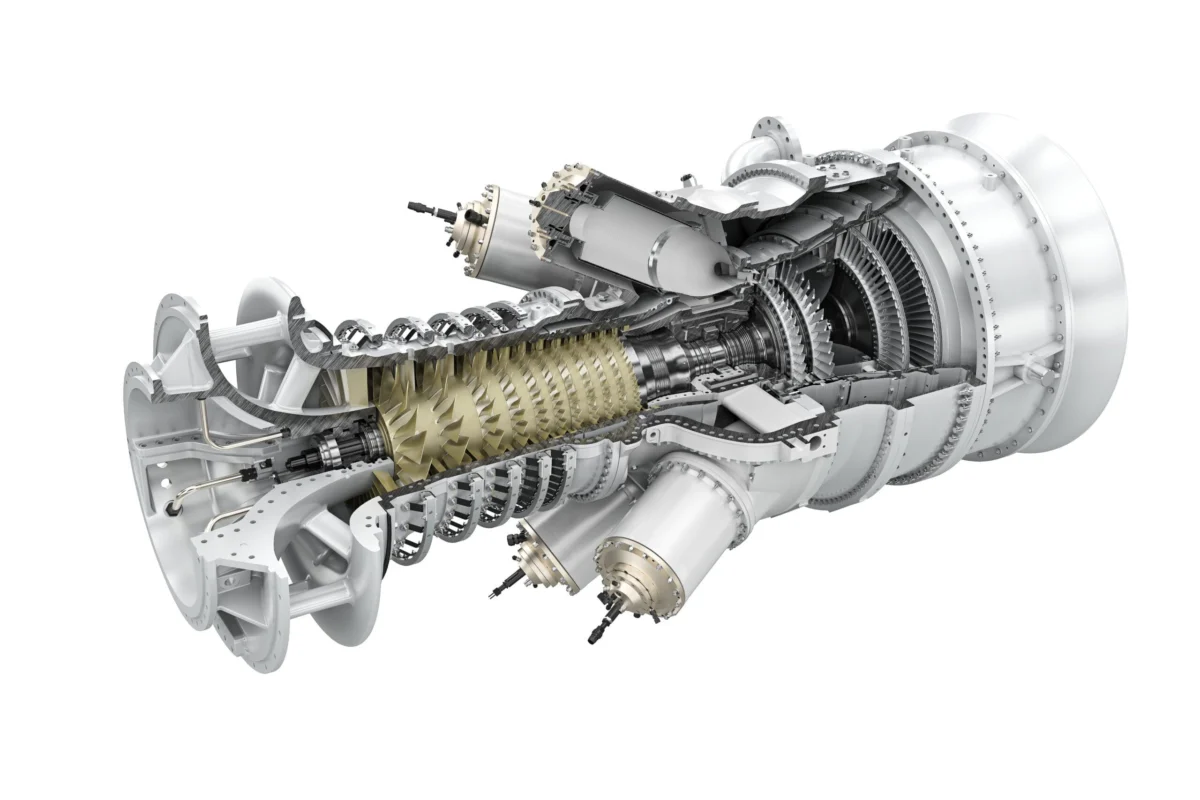
The urgency of this bill is inextricably linked to the meteoric rise of artificial intelligence. Data centers, which function as the "brains" of the modern digital economy, require constant, massive amounts of power to train and run generative AI models.
According to industry analysts, the energy consumption of these facilities is currently outpacing the capacity of existing power grids. Without significant investment in transmission lines and generation projects, grid stability could be compromised. The bipartisan bill acknowledges this reality by creating a "pay-as-you-go" system for energy-intensive users.
"The American people sent us here to do big things," said Sen. Shelley Moore Capito during a press conference at the Capitol. "This is a big thing. It’s monumental and it’s legacy-setting."
Official Perspectives and Industry Reactions
The legislative deal has elicited a polarized response from stakeholders across the political and industrial spectrum, highlighting the complexity of balancing economic development with environmental stewardship.

The Legislative Leadership
Sen. Martin Heinrich (D-N.M.) underscored the economic benefits of the deal. "The bill will mean more energy on the grid, more good-paying jobs, and lower electricity costs for families and businesses," he noted.
Meanwhile, Sen. Sheldon Whitehouse (D-R.I.) expressed cautious optimism. While supportive of the infrastructure goals, he remains vigilant regarding the potential for future administrations to abuse permitting powers to undermine renewable energy. "We are still seeking clarity on how the bill will prevent the executive branch from unilaterally blocking wind and solar projects," Whitehouse stated.
Environmental Advocacy
The response from the environmental community has been critical. Brad Campbell, president of the Conservation Law Foundation, characterized the deal as a "fossil fuel industry wish-list." Campbell argues that the bill’s limitations on judicial review and the narrowing of the Environmental Protection Agency’s (EPA) oversight could lead to irreversible damage to clean water and endangered species protections.
Conversely, some groups are taking a wait-and-see approach. Manish Bapna, president of the Natural Resources Defense Council (NRDC), stated that his organization is conducting a deep-dive analysis, specifically focusing on whether the legislation provides a permanent end to the "war on clean energy" that has hindered recent growth.
Utility and Corporate Interest
The Edison Electric Institute (EEI), which represents investor-owned utilities, has signaled support for the reforms. Drew Maloney, president and CEO of the EEI, praised the focus on "project certainty." Maloney emphasized that the ability to deliver power to 250 million customers depends on the predictability of the permitting process, which is currently "too long and too expensive."
Implications for the Future of Energy Policy
The bill is currently slated for a vote during the "lame-duck" session in November, following the midterm elections. This timeline is a direct result of the volatile political climate; lawmakers are wary of making major commitments before the electorate decides the future composition of the Senate and House.
Political Realignment
The fact that this bill exists at all is a testament to the changing nature of energy politics. For years, permitting reform was viewed through a purely partisan lens—Republicans favored oil and gas, while Democrats pushed for wind and solar. However, the sheer scale of the energy demands required by the AI revolution has forced a realignment. Both parties now recognize that a stagnant grid is a threat to national competitiveness.
The Judicial Factor
A significant, unresolved aspect of the legislation is the role of the judiciary. The bill attempts to limit legal challenges to speed up project approvals, but it remains to be seen whether these limits will hold up under constitutional scrutiny. Historically, the National Environmental Policy Act has been a primary tool for environmental litigation, and any attempt to curtail it is likely to face a wave of lawsuits from interest groups.
Long-Term Economic Impact
If passed, the bill will likely trigger a massive influx of capital into infrastructure projects. By providing a clearer timeline for federal approvals, developers will have the project certainty needed to secure private financing. This could result in a construction boom, characterized by a rapid expansion of high-voltage transmission lines—essential for moving wind energy from the plains to the cities and solar energy from the deserts to the industrial hubs.
As the nation waits for the November vote, the consensus in Washington is clear: the energy status quo has been rejected. Whether this bipartisan framework will succeed in delivering a modern, affordable, and resilient energy future remains the defining question for the remainder of the legislative term.