Main Facts: The Summer Cooling Crisis in North Ridgeville
As summer temperatures in North Ridgeville, Ohio, consistently hover in the mid-80s and occasionally spike into sweltering heatwaves, a functional air conditioning system is not merely a luxury—it is a vital component of modern residential comfort, health, and safety. However, local homeowners frequently face a dreaded scenario: waking up or returning home to find that their trusty cooling system refuses to start.
When an air conditioner fails to turn on, the immediate instinct is often panic. The loss of climate control can quickly turn a comfortable home into a stifling, humid box. Fortunately, not every AC failure requires an immediate, expensive emergency service call. Many common issues stem from simple operational snags, neglected maintenance, or basic power supply disruptions that homeowners can safely identify and resolve on their own.
According to heating, ventilation, and air conditioning (HVAC) specialists at Climate-Tech, understanding the underlying mechanisms of your cooling system and knowing basic troubleshooting steps can save residents significant time, money, and discomfort. By breaking down the most frequent causes of sudden AC failure—ranging from thermostat misconfigurations and tripped circuit breakers to blocked air filters—homeowners can take proactive control of their home environment. When DIY methods fall short, however, knowing when to call certified professionals is essential to preventing permanent damage to your HVAC infrastructure.
Chronology of an AC Breakdown: How Minor Issues Escalate Into Major Failures
Air conditioning systems rarely fail without warning; rather, a breakdown is typically the final step in a chronological sequence of minor, often overlooked, system stresses. Understanding this timeline can help homeowners intervene before a complete system shutdown occurs.
Phase 1: The Incubation Period (Neglected Maintenance)
The timeline of an AC failure often begins weeks or even months before the unit actually stops. It starts with minor neglect, such as failing to replace a disposable air filter or skipping scheduled seasonal maintenance. As dust, pet dander, and microscopic debris accumulate within the filter media, airflow through the return ducts begins to constrict.
Phase 2: The Strain (Restricted Airflow and Overheating)
With airflow restricted, the blower motor must work exponentially harder to pull air across the evaporator coils. Simultaneously, the heat absorbed from your home cannot be efficiently dissipated. This imbalance causes internal temperatures to rise. The compressor—the heart of the air conditioning system—begins to run hotter than its design parameters allow.
Phase 3: The Safety Trigger (System Shutdown)
Modern HVAC units are equipped with built-in safety controls designed to prevent catastrophic damage or electrical fires. When internal components overheat due to restricted airflow or electrical resistance, limit switches and thermal overload relays trip, cutting power to the system. To the homeowner, the unit simply refuses to turn on.
Phase 4: The Diagnostic and Resolution Window
This is the critical juncture where the homeowner or technician steps in. By systematically checking the thermostat settings, inspecting the circuit breaker panel, and examining the air filter, the root cause of the safety shutdown can often be cleared. If the underlying stress—such as a heavily clogged filter—is addressed, the system resets and resumes normal operation. If ignored, the continuous cycling of safety trips will eventually lead to burnt-out motors, fried control boards, or compressor failure.
Supporting Data: Climate Realities and Equipment Longevity
To contextualize the importance of robust air conditioning maintenance, it is helpful to look at regional climate data and industry benchmarks regarding HVAC equipment lifespans.
Regional Climate Pressures
In North Ridgeville, Ohio, summer weather patterns are characterized by warm, humid days where average temperatures consistently sit in the mid-80s Fahrenheit. High ambient outdoor temperatures force air conditioning units to run longer cycles to achieve indoor thermal equilibrium. Furthermore, high relative humidity levels mean that AC units must work doubly hard not only to lower air temperature but also to extract moisture from the indoor air. This heavy operational workload accelerates wear and tear on electrical components, capacitors, and compressor motors compared to milder climates.
Equipment Lifespan and Financial Thresholds
According to energy efficiency and residential infrastructure studies (such as data compiled by Sealed), a standard, well-maintained central air conditioning system has an expected operational lifespan of 10 to 20 years. However, achieving the upper end of this lifespan is entirely dependent on consistent preventative maintenance.
When an AC unit fails to turn on, homeowners must weigh the cost of repairs against the age of the equipment:
- Units under 5–7 years old: Failures are typically covered under manufacturer warranties, and repairs (such as replacing a faulty capacitor or clearing a blocked condensate line) are almost always cost-effective.
- Units between 8–12 years old: Component failures become more frequent. If a major component like a compressor fails, the repair cost may approach 50% of the value of a new system, making replacement a serious consideration.
- Units over 12–15 years old: Older units operate on outdated, phased-out refrigerants (such as R-22 Freon) and feature significantly lower Seasonal Energy Efficiency Ratio (SEER) ratings. If an older unit stops turning on due to a major internal failure, investing in a new, high-efficiency model is generally more cost-effective in the long run, yielding immediate reductions in monthly utility bills.
Official Responses and Expert Insights: Industry Guidelines on Troubleshooting and Safety
When your air conditioning system goes dark on a hot summer afternoon, industry experts recommend a calm, methodical approach to troubleshooting. Leading HVAC technicians and consumer safety organizations emphasize that while basic troubleshooting is homeowner-friendly, electrical work must always be handled by licensed professionals.
Expert Diagnostic Protocols
Climate-Tech specialists recommend starting any diagnostic assessment with the simplest, non-invasive checks before moving outward to the mechanical and electrical infrastructure:
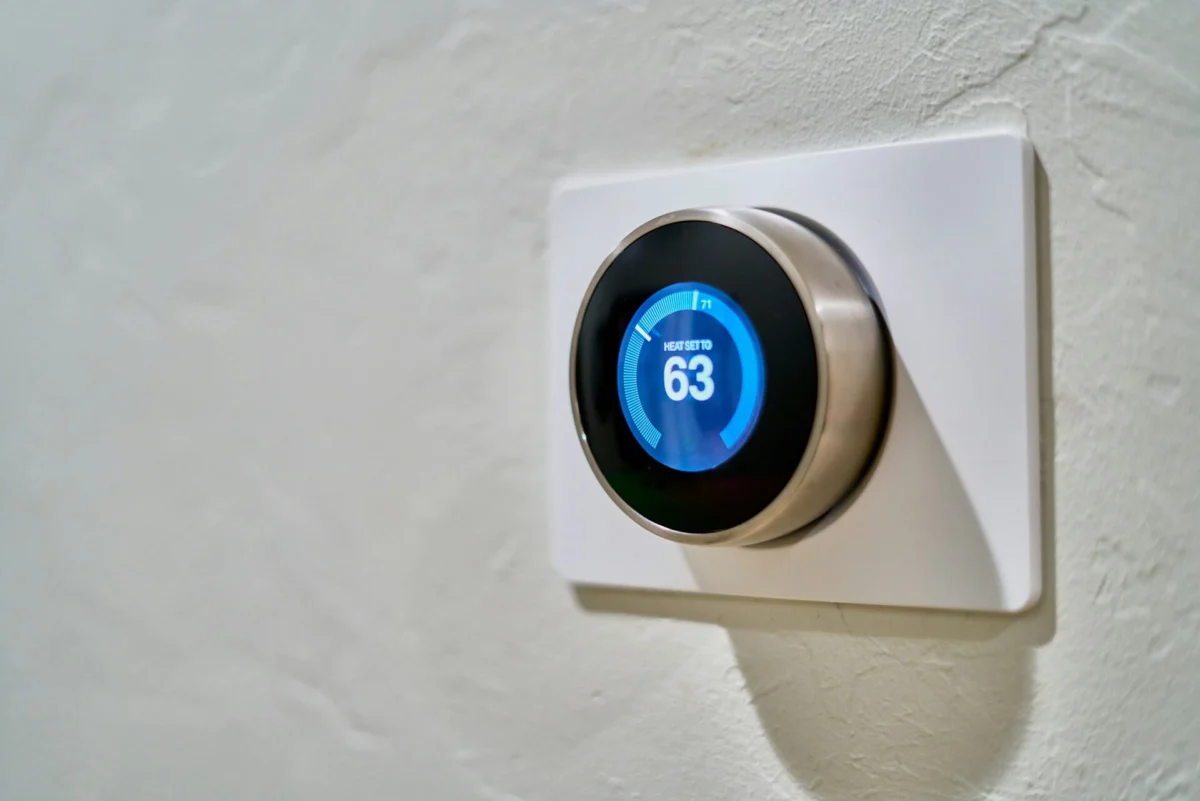
- Thermostat Verification: Ensure the thermostat is switched from "Heat" or "Off" to "Cool," and that the desired temperature setting is set at least 5 degrees below the current room temperature. Check the unit’s batteries, as a dying display can disrupt signal transmission to the furnace or air handler.
- Power Supply and Breaker Inspection: Inspect the home’s main electrical panel. Central air conditioning systems typically rely on a dedicated double-pole circuit breaker. If the breaker has tripped to the center or "Off" position, reset it once. If it trips immediately a second time, stop—this indicates a serious short circuit or electrical fault. Also, check the outdoor disconnect box located near the condenser unit to ensure the switch or fuse block is securely engaged.
- Air Filter Assessment: Remove the home’s return air filter and inspect it against a light source. If light cannot pass through the filter material, it is fully clogged and starving the system of necessary airflow, which frequently triggers thermal shutdown mechanisms.
Step-by-Step Filter Maintenance Guidelines
Properly maintaining or replacing air filters is the single most effective DIY task a homeowner can perform to prevent unexpected AC shutdowns.
How to Replace a Disposable Air Filter:
- Locate the Filter Compartment: Find the filter slot located in the return air duct, blower compartment, or wall/ceiling return grille.
- Turn Off the HVAC System: Always shut off power to your furnace or air handler at the thermostat or breaker switch before swapping filters to prevent dust from being sucked into the blower motor.
- Remove the Old Filter: Slide the old filter out carefully, noting the direction of the airflow arrows printed on the cardboard frame.
- Insert the New Filter: Slide the new filter into the slot, ensuring that the directional arrows point toward the blower unit and away from the return duct.
- Secure the Cover: Close and latch the compartment door, then restore power to the system.
How to Clean a Reusable/Washable Air Filter:
- Power Down: Turn off the HVAC system to ensure safety.
- Extract and Vacuum: Remove the washable filter and use a soft brush attachment on a vacuum cleaner to remove loose surface dust and pet hair.
- Wash with Water: Rinse the filter thoroughly from the opposite side of normal airflow using a garden hose or sink faucet. Avoid using high-pressure water spray, which can damage the mesh.
- Use Mild Detergent: If grease or heavy grime is present, wash gently with a mixture of warm water and mild dish soap. Rinse completely.
- Dry Completely: Allow the filter to air dry completely in a shaded area before reinstalling it. Never put a damp filter back into your AC unit, as moisture promotes mold growth and can damage electrical components.
Implications: Why Prompt Action and Professional Partnership Matter
Failing to address an air conditioning malfunction properly—or attempting dangerous DIY electrical repairs—carries significant financial, safety, and operational implications for North Ridgeville homeowners.
Financial and Efficiency Implications
Ignoring minor warning signs or persistent issues (such as short-cycling, weak airflow, or strange grinding noises) invariably leads to higher energy bills. When coils are dirty, filters are clogged, or electrical components are struggling, the compressor must draw significantly more electricity to achieve the same cooling output. Furthermore, running an impaired system can transform a minor, inexpensive fix—such as replacing a $20 capacitor—into a catastrophic compressor failure costing thousands of dollars.
Safety Implications
Electricity and water are constant companions in HVAC systems, particularly around outdoor condenser units and condensate drainage lines. Attempting to service internal electrical wiring, control boards, or high-voltage capacitors without professional training exposes homeowners to severe risks of electrical shock, electrocution, and permanent equipment damage. Complex electrical problems must always be referred to certified technicians equipped with proper diagnostic tools and safety gear.
The Value of Preventative Professional Maintenance
To mitigate unexpected breakdowns during peak summer months, industry experts strongly advocate for scheduled, bi-annual professional inspections (typically performed in spring before cooling season and in fall before heating season). A comprehensive tune-up by a licensed technician includes:
- Checking refrigerant levels to ensure there are no hidden leaks that compromise cooling capacity.
- Inspecting, cleaning, and testing all electrical components, contactors, and capacitors.
- Clearing condensate drain lines to prevent water backups and indoor property damage.
- Lubricating moving parts to reduce motor friction and electrical draw.
Conclusion: When to Call Climate-Tech
Understanding why your air conditioning unit refuses to turn on, mastering basic preventative maintenance, and performing simple thermostat and filter checks can save you from sweltering days and exorbitant emergency repair bills.
However, if you have systematically walked through all basic troubleshooting steps—checking the thermostat, resetting the circuit breaker, and replacing a clogged air filter—and your AC unit still remains stubbornly silent, it is time to bring in certified professionals. Persistent mechanical issues, electrical faults, and aging equipment require expert intervention to restore your home’s comfort safely and efficiently.
When you need reliable, expert assistance in the North Ridgeville area, Climate-Tech is standing by. Offering 24/7 emergency repair services, their team of licensed HVAC technicians is ready to diagnose complex problems, perform expert repairs, and ensure your home air conditioning system runs smoothly all summer long. Reach out to Climate-Tech today to schedule your maintenance inspection or request emergency service.