The landscape of enterprise resource planning (ERP) is undergoing a profound transformation. What was once a relatively straightforward exercise in evaluating functional checklists has evolved into a complex, high-stakes architectural decision. As organizations grapple with the integration of generative AI, cloud-native scalability, and the imperative for real-time data governance, the margin for error in ERP selection has never been smaller.
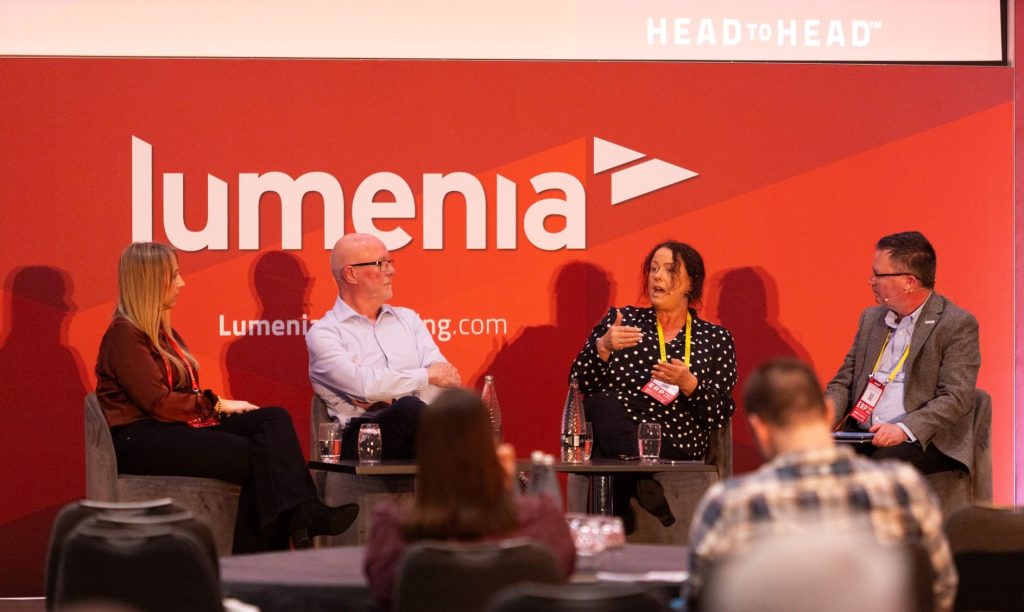
Against this backdrop, Lumenia Consulting is set to host its 28th edition of the ERP HEADtoHEAD™ event on October 13–14, 2026, at the Crowne Plaza Dublin Airport. Marking 15 years of operations in Ireland, the event serves as a critical junction for business leaders, CIOs, and digital transformation architects looking to cut through the marketing noise of major software vendors.
The Core Challenge: Why Standard Demos Often Fail
For many organizations, the journey toward a new ERP system begins with the daunting task of comparing platforms that vary wildly in their technical DNA. A common pitfall in the procurement process is the "vanilla demonstration," where vendors showcase their best features in a curated environment that does not reflect the unique, often messy, operational reality of the client.
ERP HEADtoHEAD disrupts this traditional vendor-led narrative by forcing a "common denominator" approach. By utilizing predefined business scenarios, the event ensures that the thirteen participating vendors—including industry giants like Microsoft, SAP, Sage, Infor, and IFS—must demonstrate their capabilities within a standardized framework.
Standardized Scenarios for Objective Comparison
The event’s structure requires vendors to address the same real-world business challenges, including:
- Finance and Regulatory Compliance: Managing multi-entity ledger structures and international reporting.
- Supply Chain and Procurement: Navigating volatility in global logistics and vendor management.
- Manufacturing Execution: Balancing production scheduling with inventory optimization.
- Human Capital Management (HCM): Managing modern, hybrid workforces within the enterprise ecosystem.
- Business Intelligence (BI) and Advanced Analytics: Transforming raw operational data into actionable executive insights.
By forcing vendors to walk the same path, decision-makers can observe how different systems handle the same operational bottleneck, making it significantly easier to identify which platform aligns with their specific technical and cultural requirements.
Chronology and Evolution of the Event
The longevity of the ERP HEADtoHEAD event provides a unique historical perspective on the maturation of the ERP market.
- The Early Years (2011–2015): The event focused primarily on transitioning legacy on-premise systems to more stable, integrated platforms. The conversation was dominated by database performance, core accounting modules, and basic reporting.
- The Cloud Shift (2016–2021): The dialogue shifted toward the "Cloud-First" mandate. Vendors began abandoning proprietary servers for multi-tenant SaaS environments, prompting intense debates about data sovereignty, subscription models, and total cost of ownership (TCO).
- The AI and Intelligent Enterprise Era (2022–Present): We are currently in a phase where ERP is no longer just a system of record; it is a system of intelligence. The integration of predictive analytics, automated workflows, and, most recently, generative AI, has shifted the goalposts for what constitutes a "modern" ERP.
The 2026 Dublin event represents the culmination of these shifts, focusing heavily on how AI can move from an "experimental feature" to a "core operational engine."
The AI Paradigm Shift: Beyond the Hype
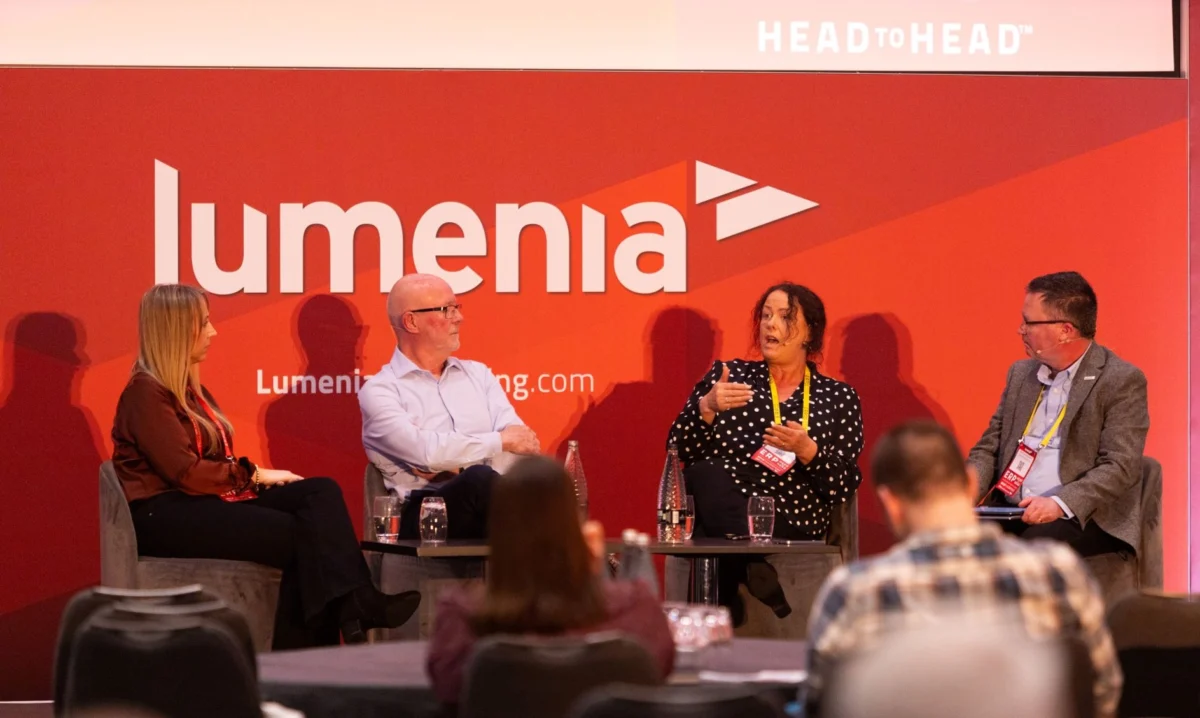
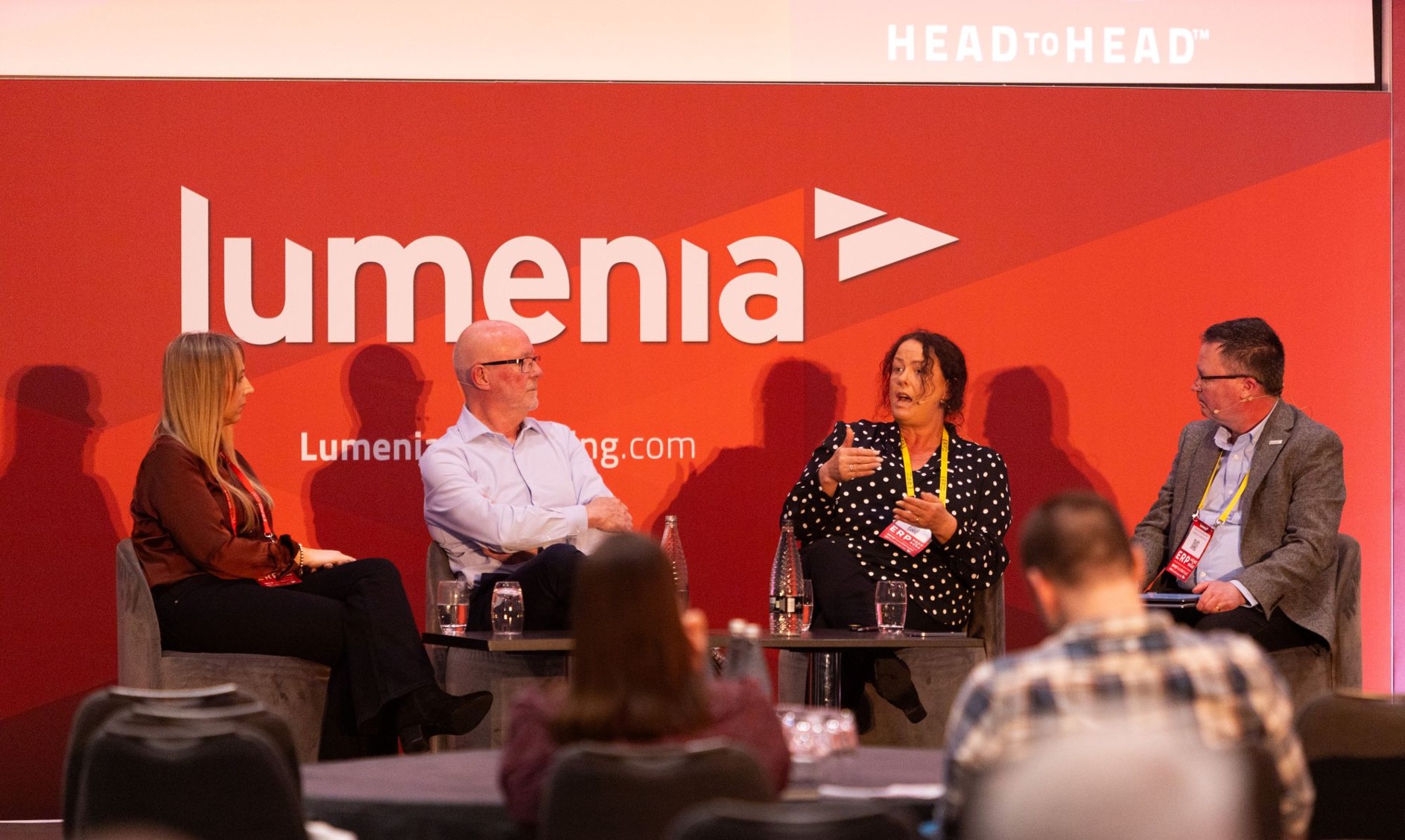
Perhaps the most significant addition to this year’s program is a dedicated panel discussion on the role of Artificial Intelligence in enterprise software. As ERP vendors pivot to embed AI into the fabric of their products, the stakes for buyers have shifted.
The New Criteria for Selection
Modern buyers must now evaluate more than just "if" a system has AI; they must evaluate "how" that AI adds value. Key considerations for the 2026 cohort include:
- Contextual Intelligence: How well does the AI understand the organization’s specific data? Is it trained on industry-specific models, or is it a generic overlay?
- Governance and Ethics: In an era of increasing data regulation, how does the AI handle sensitive information? What are the guardrails against hallucinations in financial or operational reporting?
- Longevity and Obsolescence: If a company invests in an ERP today, will the AI features remain relevant in five years, or will the underlying technology require a costly rip-and-replace to keep up with the pace of innovation?
"The integration of AI is not merely a feature update; it’s a re-architecting of the enterprise workflow," says an industry analyst familiar with the event. "The challenge for attendees is to distinguish between ‘marketing AI’ and ‘operational AI’—the latter of which actually reduces the burden on human staff."
Official Perspective: Insights from Lumenia Consulting
Ian O’Toole, Managing Partner at Lumenia Consulting, emphasizes that the urgency behind these decisions often stems from external market pressures.
"A variety of factors can drive the, sometimes urgent, need to update or replace business systems," O’Toole explains. "These can include rapid business growth, complex mergers and acquisitions, evolving business models that the old software simply cannot support, and, of course, the mounting risk of technical redundancy."
O’Toole notes that the event is designed to alleviate the "analysis paralysis" that plagues many procurement teams. By providing direct access to the vendors alongside independent, expert-led guidance, the event functions as an accelerator for the selection phase of the ERP lifecycle.
"Combined with expert-led sessions, customer insights, and opportunities to engage directly with solution providers, the event is designed to help organizations evaluate the market more efficiently and make more informed ERP decisions," O’Toole adds.
Strategic Implications: The Broader Technology Decision
As the event approaches, the consensus among industry experts is that ERP selection has transcended the IT department. It is now a board-level strategic decision.
Why the Ecosystem Matters
An ERP system no longer exists in a vacuum. It must communicate with CRM systems, e-commerce platforms, IoT sensors on the factory floor, and third-party data lakes. Attendees at the Dublin event are encouraged to look beyond the "box" of the ERP and consider:
- Integration Flexibility: Does the system support modern APIs, or does it rely on brittle, legacy connectors?
- Scalability: Can the architecture expand to handle new business units or international expansion without requiring a massive infrastructure overhaul?
- Transformation Planning: The software is only as good as the process it supports. The event provides specific guidance on "ERP readiness," helping organizations prepare their internal culture and processes for the upheaval that accompanies any major software rollout.
Reducing Project Risk
A recurring theme of the expert sessions is the mitigation of risk. High-profile ERP failures are often the result of poor scoping, inadequate internal alignment, or a failure to understand the limitations of the chosen platform. By hearing from customer case studies—organizations that have already walked the path—attendees gain a realistic view of the obstacles they are likely to face, from change management hurdles to data migration complexities.
Looking Ahead: The 2026 Outlook
The October 13–14 event at the Crowne Plaza Dublin Airport is not just a showcase; it is a diagnostic tool for the modern enterprise. As the gap widens between organizations that have successfully digitized their core operations and those that are still struggling with siloed, manual processes, the choice of an ERP platform has become a primary determinant of competitive advantage.
For those considering an upgrade or a first-time implementation, the ERP HEADtoHEAD event offers a unique opportunity to view the market through a lens of transparency and objective comparison. By stripping away the polish of the sales pitch and focusing on the reality of the business scenario, Lumenia Consulting continues to provide a vital service to the global business community.
Registration is currently open for the 2026 event. As the enterprise software market continues to iterate at an unprecedented speed, the ability to make a measured, data-driven decision has never been more vital to long-term corporate health.
For more information on the event schedule, the full list of participating vendors, and registration details, please visit the official ERP HEADtoHEAD website.