





Date: October 21, 2026
Section: Economics
Author: Yemi Kale
Location: Abuja
Main Facts
As the global economy is violently reshaped by escalating geopolitical tensions, protectionist trade policies, and fractured supply chains, Africa stands at a critical historical crossroads. According to recent economic analyses and insights from leading financial strategists, the continent faces a definitive choice: it can remain vulnerable to external shocks beyond its control, or it can leverage the current global instability to aggressively accelerate structural transformation.
The core thesis of this economic realignment rests on three foundational pillars:
- The African Continental Free Trade Area (AfCFTA): Accelerating the implementation of a deeply integrated continental market to reduce reliance on volatile external trade partners.
- Value-Added Industrialization: Shifting away from the historical trap of exporting raw commodities and importing finished goods, thereby retaining wealth and creating sustainable domestic employment.
- Global Financial Architecture Reform: Overhauling the methodologies and biases of international credit-rating agencies that systematically overcharge African sovereigns and private entities for debt.
While Africa cannot dictate the terms of engagement between superpowers like the United States, China, and the European Union, policymakers in Abuja, Nairobi, Accra, and Johannesburg argue that the continent possesses the agency to insulate its economies and dictate the terms of its internal growth.
Chronology of Structural Shifts
To understand how Africa arrived at this pivotal juncture in late 2026, it is necessary to examine the cascading global events that have battered emerging markets over the past decade:
- 2020–2021 (The Pandemic Shock): COVID-19 exposed the fragility of global supply chains. African nations faced severe vaccine nationalism, immediate capital flight, and sudden halts in tourism and commodity exports, highlighting the dangers of dependency on Western and Asian markets.
- 2022–2023 (The Inflationary Wave and War in Europe): The onset of the Russia-Ukraine war triggered historic spikes in global food and fuel prices. African import-dependent nations suffered severe balance-of-payment crises, forcing several economies to seek emergency interventions from international lenders.
- 2024–2025 (Geopolitical Fragmentation): The consolidation of trade blocs, technology restrictions, and "friend-shoring" initiatives by major economies further isolated developing nations. Western and Eastern geopolitical rivalries intensified competition for critical minerals in Africa, reviving historical concerns over neo-extractivism.
- Late 2026 (The Strategic Realignment): Recognizing that external shocks are becoming structural features of the global economy rather than temporary anomalies, African economic architects—led by regional trade bodies and financial institutions—are unifying around self-reliance, value addition, and institutional reform.
Supporting Data and Economic Realities
The argument for internal integration and value-added production is underpinned by stark economic data regarding Africa’s historical position in global trade:
- Intra-African Trade Deficit: Historically, intra-African trade has hovered around 15% to 18% of total continental trade, compared to over 60% in Asia and nearly 70% in Europe. This low baseline underscores the immense untapped potential of the AfCFTA, which aims to unite 1.3 billion people across 54 nations with a combined GDP of approximately $3.4 trillion.
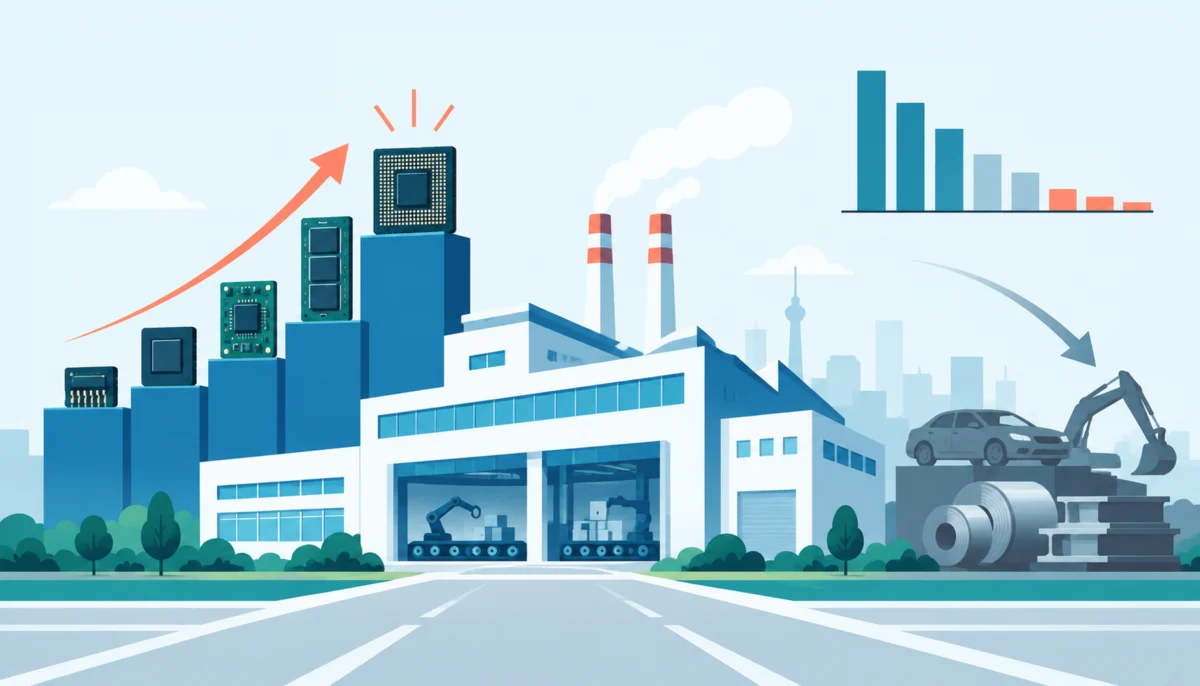
- The Raw Material Trap: Sub-Saharan Africa remains the world’s primary supplier of critical raw materials—including cobalt, lithium, manganese, and copper—essential for the global green energy transition. However, less than 1% of the final manufacturing of clean-tech products (such as electric vehicle batteries and solar panels) occurs on the continent, meaning Africa exports cheap raw inputs and imports expensive finished technologies.
- The Credit Rating Penalty: Studies by the United Nations Economic Commission for Africa (UNECA) and various financial watchdogs show that African sovereigns consistently face borrowing costs that are 3 to 5 percentage points higher than emerging market peers with similar or even weaker macroeconomic fundamentals. This "perception premium" or "Africa premium" drains billions of dollars annually from productive investments into debt-servicing obligations.
Official Responses and Ministerial Perspectives
African policymakers, central bank governors, and trade ministers have increasingly voiced frustration with the status quo, paired with a determination to implement homegrown solutions.
Speaking at a regional economic summit in Abuja, financial experts echoed the sentiments that external financial safety nets are no longer sufficient. "We have spent decades reacting to decisions made in Washington, Brussels, and Beijing," noted one senior trade advisor. "The geopolitical fragmentation we are witnessing today must serve as the final wake-up call. If we do not trade among ourselves, add value to our resources on our own soil, and force the international financial system to treat us fairly, we will remain perpetual economic spectators."
The Secretariat of the African Continental Free Trade Area, headquartered in Accra, has redoubled its efforts to fast-track protocols on digital trade, investment, and intellectual property rights. Secretariat officials emphasize that operationalizing the Guided Trade Initiative—which allows pilot countries to trade preferential goods under AfCFTA rules—is proving that intra-African commerce is not only viable but rapidly scalable.
Concurrently, African finance ministers have amplified their calls for systemic reform within the global credit-rating ecosystem. Criticizing subjective risk assessments that fail to account for the continent’s actual economic resilience, regional leaders are collaborating to strengthen local credit-rating agencies and advocate for transparency in international rating methodologies.
Implications for Africa’s Future
The transition from a passive recipient of global shocks to an active, resilient economic bloc carries profound implications for the continent’s socio-economic trajectory over the coming decades.
1. Economic Diversification and Job Creation
By prioritizing value-added production—transforming raw agricultural produce, minerals, and energy locally rather than shipping them raw—African economies can finally break the cycle of commodity dependency. This industrial shift is vital for absorbing the millions of young people entering the labor market every year, turning the continent’s demographic dividend from a potential socioeconomic challenge into a powerful engine of growth.
2. Enhanced Bargaining Power on the Global Stage
A unified market under AfCFTA changes the geopolitical calculus. Instead of individual, fragmented nations negotiating disadvantageous bilateral trade deals with economic superpowers, a single African bloc of 1.3 billion consumers commands immense leverage. This collective weight ensures that external partners must engage Africa on mutually respectful, equitable terms.
3. Financial Sovereignty and Reduced Vulnerability
Pushing back against punitive credit ratings and building robust regional financial architectures will lower borrowing costs for African governments and enterprises. Access to affordable capital means more domestic resources can be channeled into vital infrastructure, healthcare, education, and climate adaptation projects, rather than being siphoned off by exorbitant debt-servicing costs.
Conclusion
Africa’s economic destiny cannot be dictated by the shifting winds of global geopolitics. While the international system grows increasingly volatile and fractured, the path forward is clear. Through rigorous market integration, strategic industrialization, and united advocacy for global financial reform, Africa has the tools to transform external turbulence into an unprecedented era of sustainable, self-determined prosperity.