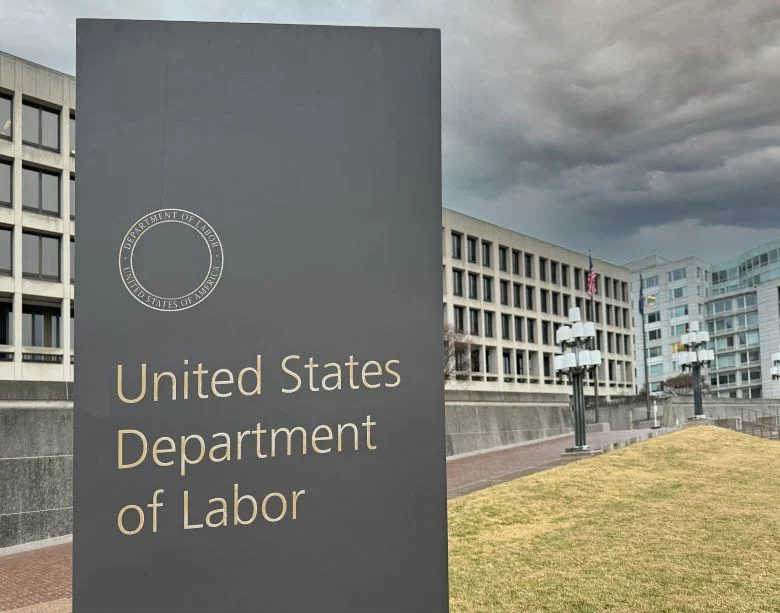
WASHINGTON – In a significant move to fortify workplace safety across the United States, the Occupational Safety and Health Administration (OSHA) announced on October 1 that it will distribute approximately $10.2 million in federal safety and health training grants. This funding, channeled through the prestigious Susan Harwood Training Grant Program, will support 67 diverse organizations dedicated to educating workers and employers on the complexities of hazard mitigation and regulatory compliance.
As the labor market continues to evolve, the necessity for robust safety training has never been more pressing. By empowering non-profits, academic institutions, and labor organizations, OSHA is effectively outsourcing its expertise to the front lines, ensuring that critical knowledge reaches those in the most hazardous industries.
Main Facts: The Scope of the Investment
The Susan Harwood Training Grant Program serves as a cornerstone of OSHA’s preventive strategy. By providing $10.2 million to 67 selected awardees, the agency aims to bridge the gap between complex federal regulations and real-world application.
Core Objectives of the Funding
The grants are specifically earmarked for three primary pillars of workplace safety:
- Hazard Identification and Control: Training programs focused on teaching workers how to recognize immediate environmental risks—ranging from chemical exposure to physical entrapment—and how to deploy effective controls.
- Rights and Responsibilities: A rigorous educational component designed to inform workers of their rights under the Occupational Safety and Health Act of 1970, while simultaneously educating employers on their legal obligations to provide a safe, hazard-free workplace.
- Small Business Outreach: With a heavy emphasis on small-to-medium-sized enterprises (SMEs), these grants prioritize sectors where high injury, illness, and fatality rates persist, often due to a lack of dedicated internal safety departments.
These funds are not merely a financial injection; they represent a tactical effort to foster a "safety-first" culture. By utilizing instructor-led training, the program ensures that complex information is communicated effectively, allowing for immediate feedback and hands-on demonstrations that static online modules often fail to provide.
Chronology: A Legacy of Protection
To understand the weight of these grants, one must look back at the history of the program and the woman for whom it is named. The Susan Harwood Training Grant Program was established to honor the life and work of the late Susan Harwood, a former director of OSHA’s Office of Risk Assessment.
The Architect of Modern Standards
Susan Harwood was a titan of occupational health. During her 17-year tenure with the Department of Labor, she was instrumental in drafting and implementing some of the most critical safety standards in the history of the agency. Her work provided the scientific and regulatory framework for addressing:
- Asbestos: Mitigating the risks of lung disease and cancer in the construction and maritime industries.
- Benzene: Setting exposure limits to protect chemical and refinery workers.
- Bloodborne Pathogens: Establishing universal precautions for healthcare workers.
- Lead, Cotton Dust, and Formaldehyde: Reducing the incidence of occupational illnesses in manufacturing and industrial settings.
Evolution of the Grant Program
Following her passing, the grant program was institutionalized to ensure that the spirit of her work—data-driven, practical, and highly accessible safety education—continued. Over the decades, the program has evolved from a small initiative into a vital federal pipeline. By consistently funding third-party educators, OSHA has successfully disseminated thousands of hours of training to workers who might otherwise remain unaware of the protective measures they are legally entitled to.
Supporting Data: Why Targeted Training Matters
The distribution of these funds is not arbitrary. OSHA utilizes national injury and illness data to identify "high-risk" clusters. The $10.2 million investment is a direct response to the persistent challenges observed in specific labor sectors.
High-Hazard Industries
Data consistently shows that employees in construction, manufacturing, and agricultural sectors are at a disproportionately higher risk of suffering fatal accidents. According to the Bureau of Labor Statistics (BLS), which partners closely with OSHA to analyze these trends, the most common workplace fatalities involve falls, transportation incidents, and contact with objects and equipment.
- The Small Business Gap: OSHA’s data indicates that while large corporations often have robust Environmental, Health, and Safety (EHS) teams, small businesses (those with fewer than 250 employees) frequently lack the resources to maintain comprehensive, up-to-date training programs.
- The Impact of Instruction: Peer-reviewed studies on the efficacy of workplace safety training indicate that instructor-led, interactive programs—the specific focus of the Harwood grants—are significantly more effective in reducing "near-miss" incidents than digital-only training. By funding these 67 organizations, OSHA is effectively scaling a model that has proven to lower injury rates by as much as 20% in specific controlled trials.
Official Responses: The Philosophy Behind the Funding
In the October 1 press release, OSHA officials underscored the agency’s commitment to proactive, rather than reactive, safety management.
The "Proactive Prevention" Paradigm
"The goal of these grants is to ensure that every worker, regardless of the size of their employer, has the knowledge they need to return home safely at the end of every shift," a spokesperson for the Department of Labor stated.
OSHA leadership emphasized that the current political and economic climate requires a more agile approach to safety. As technology introduces new hazards—such as lithium-ion battery fires in logistics or the ergonomics of rapid-paced warehouse fulfillment—the Harwood grants provide the flexibility for organizations to create "just-in-time" training curricula.
Collaboration with the Private Sector
The 67 awardees represent a diverse coalition, including labor unions, trade associations, and academic institutions. By partnering with these entities, OSHA acknowledges that government agencies cannot achieve total safety compliance in isolation. These organizations act as "force multipliers," reaching demographics that are often underserved, including non-English speaking workers and those in rural areas.
Implications: The Future of Occupational Health
The $10.2 million infusion of capital will have long-term implications for the American labor force. The ripple effects of this investment will be felt in three distinct areas: regulatory compliance, insurance costs, and overall workforce morale.
1. Strengthening Compliance Culture
When workers are empowered with knowledge of their rights, they become the primary auditors of their own safety. A well-informed workforce is less likely to accept substandard equipment or inadequate safety protocols. This shift creates a bottom-up pressure that encourages employers to prioritize compliance, not just to avoid OSHA fines, but to maintain a stable, well-trained, and productive workforce.
2. Economic Benefits and Insurance Costs
Workplace accidents cost the American economy billions of dollars annually in lost productivity, medical expenses, and legal fees. By investing in preventative training, these grants represent a high return on investment. Businesses that maintain high safety standards see lower Workers’ Compensation premiums and higher employee retention rates. The Harwood grants, in effect, act as an economic stimulus by reducing the "hidden tax" of workplace injury.
3. Addressing Emerging Hazards
The grant program is uniquely positioned to pivot toward emerging threats. As we look toward the mid-2020s, the training provided by these 67 organizations will likely incorporate modules on artificial intelligence in machinery, heat-related illness prevention due to climate change, and mental health awareness in high-stress industrial environments.
The Road Ahead
As the 67 organizations begin their grant cycles, the effectiveness of their programs will be monitored through rigorous reporting requirements. OSHA mandates that each recipient demonstrate tangible outcomes, such as the number of workers trained and, more importantly, the improvements in safety behaviors observed post-training.
The Susan Harwood Training Grant Program remains a testament to the belief that workplace safety is a shared responsibility. While the federal government provides the framework and the funding, it is the collaboration between workers, employers, and these dedicated safety organizations that builds the actual foundation of safety. By honoring the legacy of Susan Harwood, the Department of Labor continues to ensure that the safety of the American worker remains at the forefront of the nation’s economic and social policy.
In conclusion, the $10.2 million allocation is more than a line item in a federal budget; it is a vital safeguard. As industries modernize and the nature of work becomes increasingly complex, the need for this specialized, instructor-led education will only grow. Through these grants, OSHA is not just enforcing rules—it is building a safer, more resilient future for the workforce of the United States.