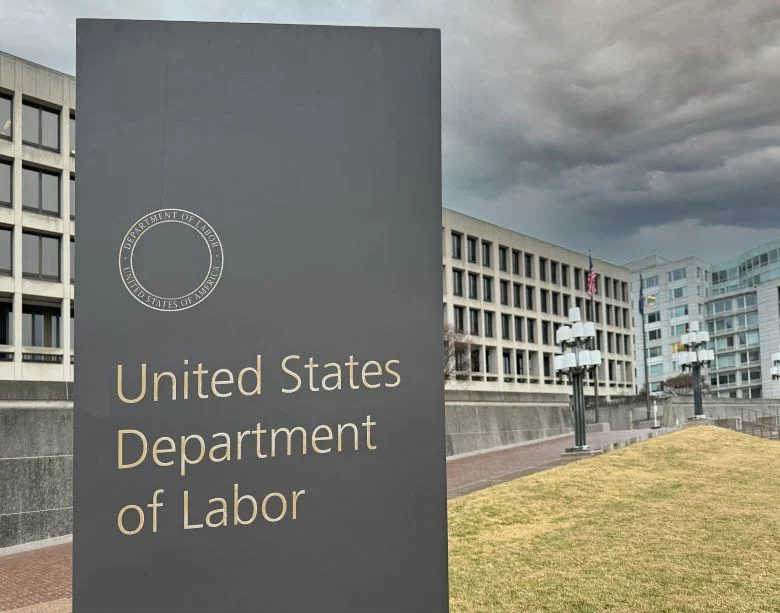
WASHINGTON — In a 47-41 vote on September 30, the United States Senate officially confirmed Keith Sonderling as the permanent Secretary of Labor. The vote concludes a months-long period of transition at the Department of Labor (DOL) and places a familiar federal regulator and former labor attorney at the helm of the agency tasked with enforcing the nation’s labor laws, protecting worker safety, and overseeing federal employment standards.
Sonderling had been serving as the acting labor secretary since April 20, following the sudden resignation of former Labor Secretary Lori Chavez-DeRemer. President Donald Trump formally nominated him to assume the permanent role in July. Following the nomination, Sonderling underwent a comprehensive confirmation hearing before the Senate Health, Education, Labor and Pensions (HELP) Committee later that month, setting the stage for the late-September floor vote.
The confirmation brings stability to a department facing critical questions regarding workplace safety, federal staffing levels, and the future enforcement of labor regulations across American industries.
Chronology of Leadership and Career Path
The path to Sonderling’s confirmation as Secretary of Labor spans multiple administrations, key regulatory appointments, and private-sector legal practice.
- Early Career and Academia: Before entering federal service, Sonderling built a distinguished career as a labor and employment lawyer in Florida, where he represented businesses and management in workplace disputes. He also shared his expertise academically, serving as a lecturer at the George Washington University Law School.
- First Trump Administration & Wage and Hour Division: Sonderling’s federal career expanded significantly during the first Trump administration. He served as the deputy administrator and acting administrator for the DOL’s Wage and Hour Division, where he oversaw the enforcement of the Fair Labor Standards Act (FLSA), the Family and Medical Leave Act (FMLA), and other foundational wage laws.
- Equal Employment Opportunity Commission (EEOC): In September 2020, Sonderling transitioned to the Equal Employment Opportunity Commission, having been confirmed as a commissioner. He served a four-year term through August 2024, navigating complex issues surrounding workplace discrimination, civil rights, and the integration of emerging technologies—such as artificial intelligence—into human resources practices.
- Return to the DOL (2025): In January 2025, President Trump nominated Sonderling for the position of deputy labor secretary. Following a strict party-line vote, the Senate confirmed him to the post in March 2025 with a 53-46 margin, positioning him within the department’s leadership team just weeks before the position of labor secretary became vacant.
- Acting Secretary Tenure (April – September 2025): Following Lori Chavez-DeRemer’s resignation on April 20, Sonderling assumed the role of acting labor secretary. For over five months, he managed the day-to-day operations of the sprawling agency before securing his permanent Senate confirmation on September 30.
Supporting Data and the Confirmation Hearing
During his July confirmation hearing before the Senate HELP Committee, Sonderling faced scrutiny from lawmakers regarding his vision for the department, agency funding, and worker safety initiatives. However, safety policy occupied a surprisingly narrow window of discussion during the proceedings.
According to records from the hearing, Sonderling received only a single question explicitly concerning workplace safety. That inquiry came from Senator Andy Kim (D-NJ), who focused his questioning primarily on staffing levels within the Occupational Safety and Health Administration (OSHA).
OSHA staffing has remained a perennial point of contention for lawmakers, labor unions, and business groups alike. Critics have long argued that the agency is stretched thin relative to the millions of workplaces it is mandated to inspect, while proponents of leaner enforcement models emphasize cooperative compliance programs. Sonderling’s responses during the hearing underscored the complex balance the department must strike between regulatory oversight, resource allocation, and maintaining cooperative partnerships with American employers.
The final 47-41 Senate vote reflects the deeply polarized nature of modern political appointments, with supporters pointing to his extensive executive experience within federal labor agencies, and critics raising questions about his management philosophy and history representing management-side interests.

Official Responses and Stakeholder Perspectives
Reactions to Sonderling’s confirmation have poured in from across the political spectrum, business communities, and labor organizations.
Business advocacy groups, including chambers of commerce and manufacturing associations, have largely welcomed the confirmation. Supporters emphasize Sonderling’s deep familiarity with regulatory compliance, noting his previous leadership roles at both the Wage and Hour Division and the EEOC. Proponents argue that his background equips him to foster a predictable regulatory environment that supports business growth while upholding baseline labor standards.
Conversely, labor unions and worker advocacy organizations have expressed caution. Critics point to his background as a management-side employment lawyer and his past policy positions during his tenure at the EEOC and the Wage and Hour Division, questioning whether his leadership will adequately prioritize aggressive enforcement against labor violations. Union leaders have pledged to hold the new secretary accountable, particularly regarding worker safety protections, OSHA enforcement vigor, and the defense of workers’ rights to organize and bargain collectively.
Implications for the Department of Labor and American Workers
Sonderling’s permanent installation as Secretary of Labor carries significant implications for federal regulatory policy, enforcement priorities, and the daily lives of American workers over the remainder of the presidential term.
1. Workplace Safety and OSHA Enforcement
With OSHA staffing remaining a central concern—as highlighted by Sen. Kim during the confirmation hearings—Sonderling will face immediate decisions regarding resource allocation. Stakeholders will be watching closely to see whether the department moves to expand inspector headcounts, prioritize high-hazard industries, or shift toward compliance assistance programs.
2. Wage, Hour, and Employment Standards
Given his past experience leading the Wage and Hour Division, Sonderling is uniquely positioned to shape federal wage policies, independent contractor classifications, and overtime rules. Employers and workers alike will look to the DOL for clear guidance on how federal labor standards will be interpreted and enforced in an evolving economy marked by remote work, automation, and non-traditional employment models.
3. Civil Rights and Workplace Technology
Drawing on his four-year tenure at the EEOC, Sonderling is expected to maintain a focus on emerging workplace trends, particularly the intersection of civil rights laws and artificial intelligence in hiring and human resources. His previous initiatives addressing algorithmic bias in the workplace may see continued development or integration into broader DOL policy discussions.
As Keith Sonderling settles into his permanent role as the nation’s top labor official, the Department of Labor faces a delicate balancing act. Fulfilling its dual mandate to foster the welfare of wage earners while supporting job creators will require navigating intense political scrutiny, budgetary constraints, and the shifting dynamics of the modern American workforce.