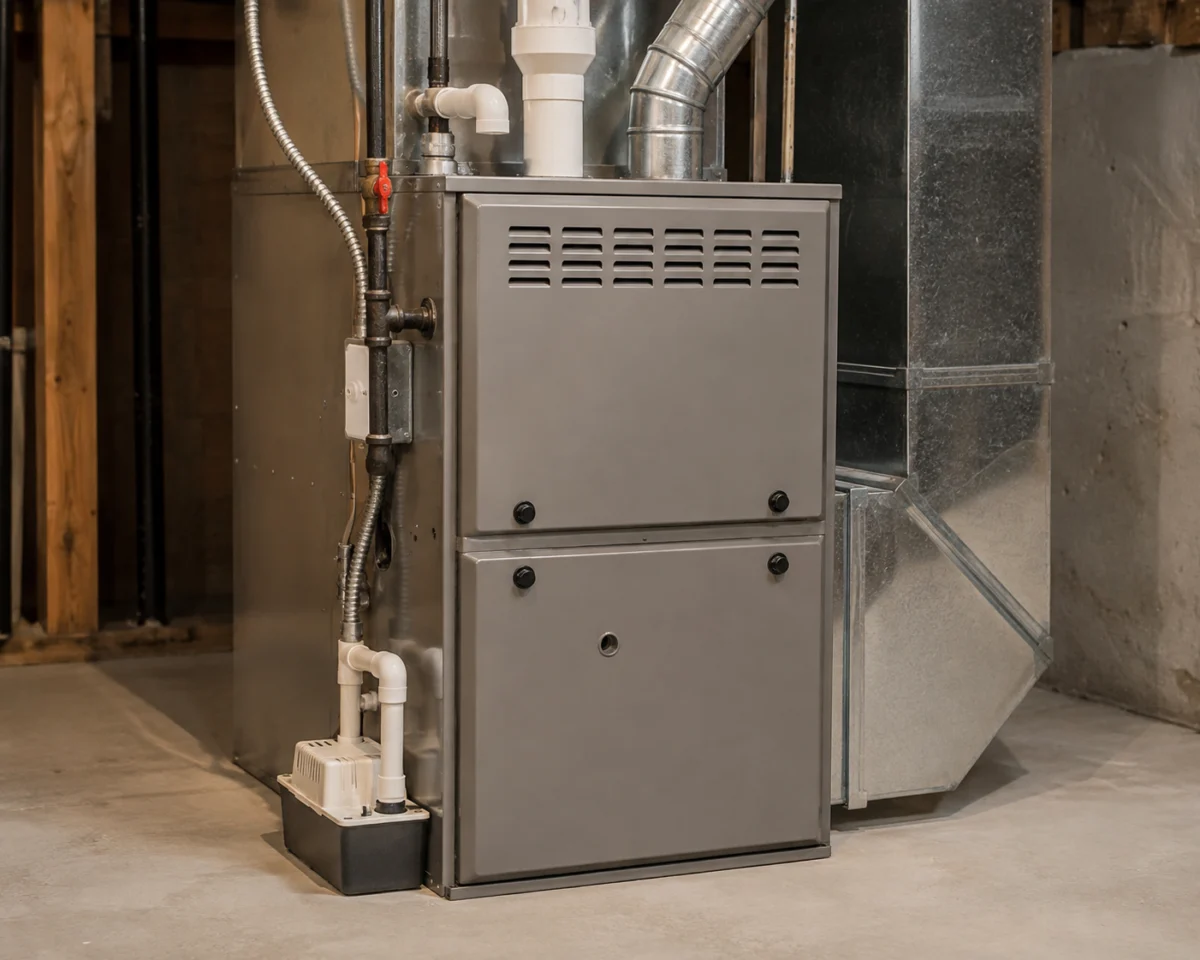
CLEVELAND, Ohio — As the biting winds of Northeast Ohio descend upon the region, homeowners are once again flipping their thermostats from cool to heat, praying for a quiet hum and an immediate surge of warm air. Yet, for thousands of residents, that familiar click is followed by silence, lukewarm gusts, or a sputtering racket that signals trouble in the basement.
Deciding whether to sink more money into repairing an aging heating system or to invest in a brand-new unit is one of the most stressful financial dilemmas a homeowner faces. While manufacturers design modern furnaces to weather the elements for decades, mechanical failure is an inevitable reality. Understanding the delicate balance between economical repairs and a necessary upgrade can save households thousands of dollars—and prevent a freezing midnight emergency.
Main Facts: The Anatomy of Furnace Decline
At its core, a residential furnace is a heavy-duty appliance subjected to intense thermal cycling month after month. According to data compiled from major HVAC manufacturers and energy standards boards, the average lifespan of a standard residential furnace ranges from 15 to 20 years.
However, age is rarely the sole indicator of failure. Performance degradation is usually a cumulative process driven by a domino effect of minor mechanical issues. When a system begins to falter, it rarely breaks down overnight without leaving clues. The primary red flags include:
- Sudden spikes in monthly utility bills without changes in usage.
- Persistent cold spots or uneven heating throughout the house.
- Banging, screeching, or rattling noises during startup and operation.
- The need for repeated, compounding service calls within a single season.
- A unit that cycles on and off continuously (short-cycling) or refuses to shut off entirely.
According to home comfort experts at Climate-Tech, a premier regional heating and cooling service provider, the single biggest mistake homeowners make is evaluating these symptoms in isolation. "A single repair on an otherwise healthy machine is standard maintenance," notes a senior technician. "But when multiple symptoms stack up—especially on a system nearing two decades of service—you are looking at systemic decline."
Chronology: The Life Cycle of a Heating System
To understand when a furnace crosses the line from "repairable" to "obsolete," it helps to look at the typical evolutionary timeline of a residential heating unit.
Years 1–5: The Prime Years
During the first half-decade of operation, a properly installed furnace should require little more than annual preventative check-ups and regular filter changes. Efficiency is at its peak, and any component failure during this window is typically covered under manufacturer warranties.
Years 6–10: The Maintenance Window
As the unit enters middle age, components like igniters, flame sensors, and blower motors begin to experience standard wear and tear. This is the critical juncture where routine professional maintenance pays dividends. Catching minor wear early prevents catastrophic part failures down the line.
Years 11–15: The Transition Phase
By year 11, the furnace enters the back half of its expected lifespan. Minor repairs become slightly more frequent. Homeowners should begin monitoring utility bills closely for unexplained efficiency drops.
Years 16–20+: The Decision Zone
Once a system crosses the 15-year mark—and certainly by year 20—it officially enters the danger zone. While some exceptionally well-maintained units soldier on past two decades, efficiency plummets, and the risk of a major component failure (such as a cracked heat exchanger) increases exponentially. This is the stage where replacement discussions should happen proactively, rather than reactively during a blizzard.
Supporting Data: The Economics of Repair vs. Replacement
Homeowners frequently grapple with a deceptively simple financial equation: Is it cheaper to fix the old unit or buy a new one?
Industry professionals often rely on the "50% Rule" to guide this decision. If the cost of a repair approaches 50% of the value of a brand-new replacement system, and the unit is more than half-way through its expected lifespan, replacement is almost always the wiser financial investment. Sinking $800 into repairing a 17-year-old furnace is often throwing good money after bad, as another component is statistically likely to fail within the year.
Furthermore, efficiency losses compound over time. An aging furnace with a lower Annual Fuel Utilization Efficiency (AFUE) rating wastes a significant percentage of the fuel it consumes. Modern high-efficiency furnaces achieve AFUE ratings of 95% to 98%, meaning nearly all the energy paid for is converted directly into household heat. Transitioning from an old 70% AFUE unit to a modern high-efficiency system can yield immediate, measurable drops in winter utility bills.
Official Responses and Industry Standards
Leading HVAC authorities, including Carrier and American Standard, emphasize that equipment longevity is heavily dictated by two factors outside of the factory: installation quality and ongoing preventative maintenance.
"A furnace is only as good as the technician who installs it," notes an industry advisory report from the U.S. Department of Energy. Improperly sized ductwork, incorrect airflow calibration, and poor electrical hookups can cut a furnace’s operational life in half, regardless of the brand name stamped on the chassis.
Local service providers echo these sentiments. Climate-Tech stresses that diagnosing a failing furnace requires a holistic evaluation of the entire home envelope, rather than a quick glance at the thermostat. "We don’t just look at the box in the basement," explains a company representative. "We evaluate how the heating system interacts with the home’s insulation, duct layout, and the family’s specific comfort needs."
Implications: Making the Proactive Choice
The ultimate implication of ignoring furnace warning signs is inconvenience layered with financial risk. Waiting for a complete breakdown during the dead of winter strips homeowners of their bargaining power. Emergency installations can incur premium fees, and inventory shortages during peak heating months can leave families shivering in hotels while waiting for parts or scheduling availability.
By contrast, planning a heating system replacement during the shoulder seasons (autumn or spring) allows homeowners to carefully evaluate their options. Modern upgrades offer advanced features such as:
- Two-stage or modulating gas valves, which maintain ultra-consistent indoor temperatures by adjusting heating output dynamically.
- Variable-speed blowers, which eliminate noisy drafts and improve indoor air filtration.
- Smart thermostat integration, providing remote monitoring and automated energy savings.
Conclusion: Taking Control of Your Home Comfort
For residents across Northeast Ohio, navigating the winter months requires a reliable partner in home climate control. Whether your system merely needs a minor tune-up or a total overhaul, understanding the physical and financial health of your furnace empowers you to make informed decisions before an emergency strikes.
If your heating system is showing its age, making unfamiliar mechanical noises, or failing to keep your living spaces comfortable, the time to act is now. Climate-Tech offers comprehensive, upfront evaluations to help local homeowners determine the exact health of their HVAC systems. Schedule a professional service appointment today to get an honest, transparent assessment—and ensure your home stays warm, safe, and efficient all winter long.