





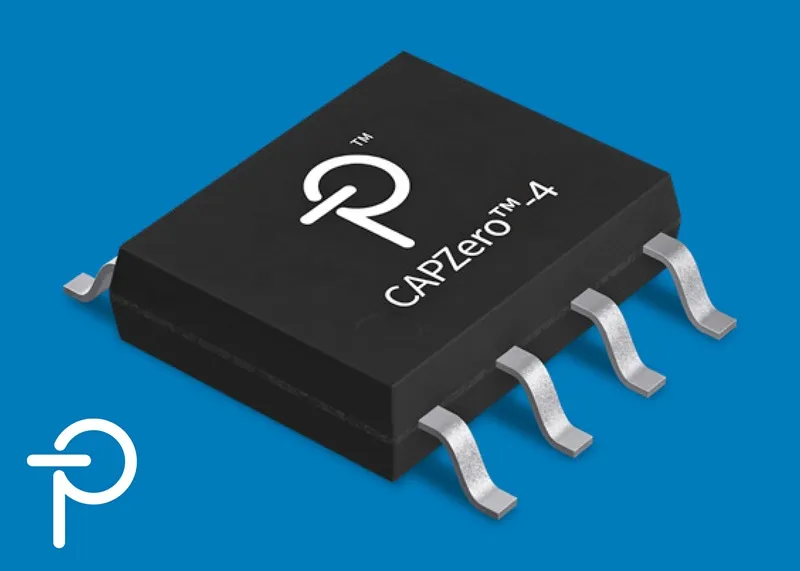
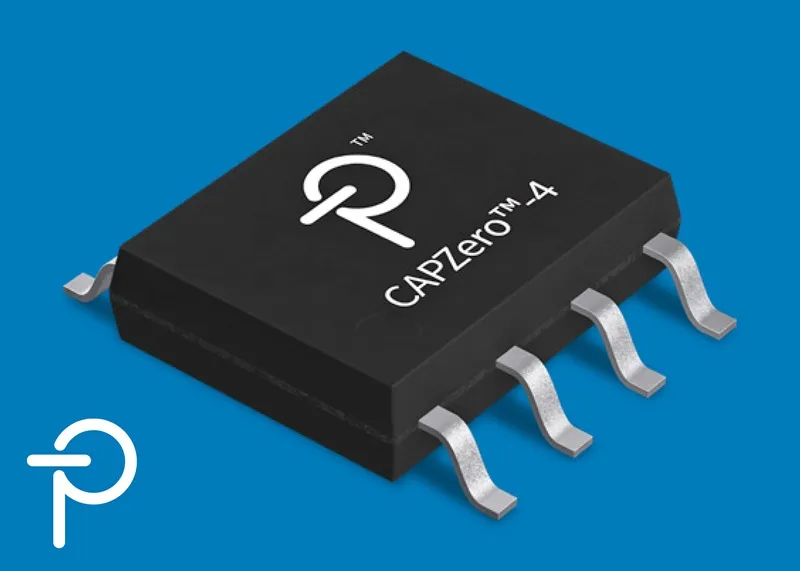
SAN JOSE, CA — In an era defined by aggressive global climate targets, tightening regulatory frameworks, and consumer demand for hyper-efficient electronics, power management technology continues to evolve at a breakneck pace. Power Integrations, a leading innovator in high-voltage integrated circuits for energy-efficient power conversion, has officially announced the expansion of its industry-standard CAPZero product line. The newest addition, the fourth-generation CAPZero-4, is engineered specifically to address the stringent standby and no-load power requirements plaguing modern industrial and consumer electronics.
Designed to slash system standby and no-load input power losses by up to 1,000 mW, the CAPZero-4 represents a significant milestone in power supply design. As global regulatory bodies push total allowable system standby power budgets down to levels as low as 300 mW, engineering teams face immense pressure to eliminate parasitic power consumption wherever possible. Power Integrations’ newest IC directly answers this call, consuming less than 1 mW of operational power itself to help achieve true zero-watt no-load performance.
Main Facts: What is the CAPZero-4?
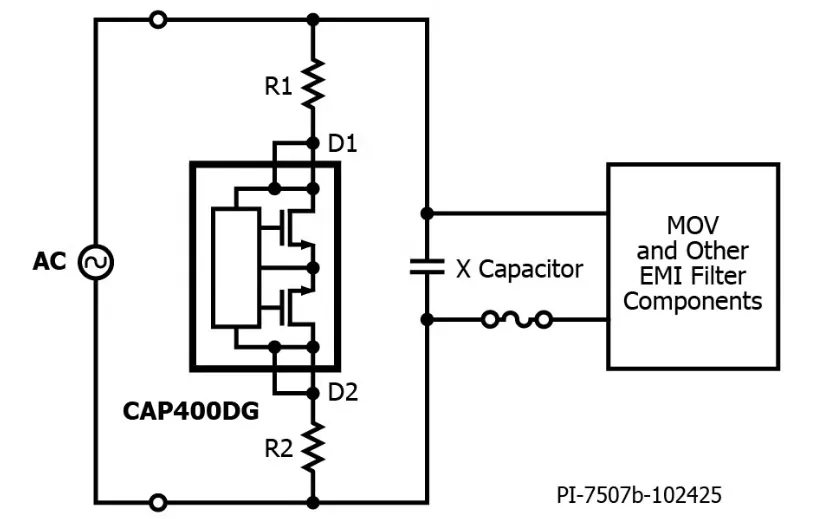
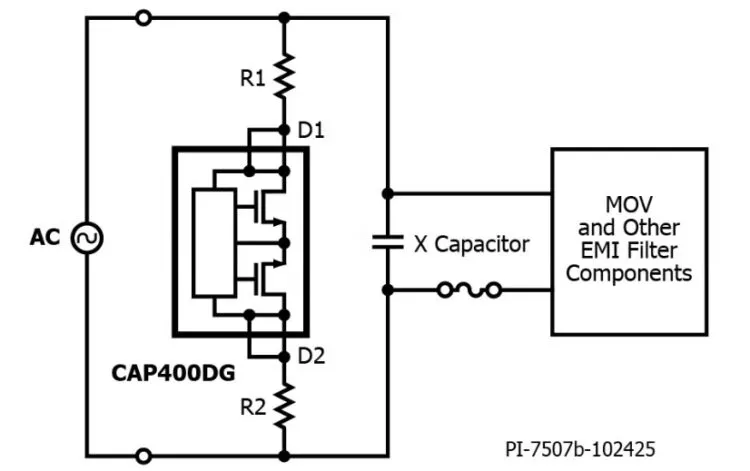
At its core, the CAPZero-4 is an advanced X-capacitor discharge integrated circuit. In AC/DC power supplies, X-capacitors are placed across the input line to filter out electromagnetic interference (EMI). While these capacitors are critical for regulatory compliance and safety, they present a persistent design challenge: when the appliance or device is unplugged or switched into standby mode, the electrical charge stored in the X-capacitor must be safely dissipated to prevent electric shock hazards (as mandated by safety standards like IEC 60950 and IEC 62368).
Traditionally, engineers used passive bleed resistors connected in parallel with the X-capacitor to discharge this energy. However, these resistors continuously draw current whenever the device is plugged into the AC mains, resulting in a constant, wasteful power loss—even when the device is supposedly powered off.
The CAPZero family solves this problem by intelligently disconnecting the discharge resistors when AC power is active, and automatically reconnecting them only when the AC power is removed. The fourth-generation CAPZero-4 elevates this proven architecture to unprecedented levels of efficiency, robustness, and thermal performance.
Key Highlights of the CAPZero-4:
- Ultra-Low Power Consumption: Consumes less than 1 mW of power during normal operation, supporting zero-watt no-load system architectures.
- Massive Efficiency Gains: Reduces overall system standby and no-load input power by up to 1,000 mW.
- Extended Thermal Range: Operates reliably across a wide temperature range of -40°C to +125°C, making it ideally suited for harsh outdoor and industrial environments.
- Seamless Drop-In Compatibility: Offers complete pin-to-pin and package compatibility with previous generations of CAPZero devices, allowing engineers to upgrade designs without a costly or time-consuming board redesign.
- Immediate Availability: The device has entered full-scale production and is currently shipping to global customers.
Chronology of Innovation: The Evolution of CAPZero Technology
The release of the CAPZero-4 does not happen in a vacuum; it is the culmination of more than a decade of iterative research, development, and market feedback in the power electronics sector. Understanding the trajectory of this technology highlights how far standby power reduction has come.
The Era of Passive Discharges (Pre-2010s)
For decades, power supply designers relied almost exclusively on passive resistance. While cheap and simple, these circuits placed a permanent tax on energy efficiency. As green energy regulations began emerging globally in the late 2000s—such as the European Union’s Ecodesign Directive and the U.S. Department of Energy’s Energy Star programs—this baseline waste became mathematically unacceptable for high-efficiency power supplies.
Introduction of the Original CAPZero (Early 2010s)
Power Integrations disrupted the market by introducing the original CAPZero IC. By using intelligent semiconductor switches to isolate the discharge resistors from the AC line during normal operation, the company effectively eliminated active power loss through the discharge circuit. This innovation allowed power supply manufacturers to easily clear strict international standby efficiency guidelines without adding complex microcontroller oversight.
Iterative Refinements and Expanding Voltage/Thermal Windows
Through subsequent generations (CAPZero-2 and CAPZero-3), Power Integrations refined the technology, improving breakdown voltages, reducing package sizes, and expanding operating margins. These iterations cemented CAPZero as a go-to solution for white goods, adapters, computing power supplies, and lighting ballasts.
The Arrival of CAPZero-4 (October 2026)
Unveiled in late October 2026, the CAPZero-4 addresses the next frontier of energy efficiency: extreme low-power standby thresholds (approaching 300 mW total system budgets) combined with demanding physical operating environments. By pushing its thermal envelope to 125°C and reducing internal power consumption to under 1 mW, the fourth-generation device bridges the gap between consumer-grade efficiency and heavy-duty industrial reliability.
Supporting Data and Technical Implications
To truly grasp the impact of the CAPZero-4, one must examine the mathematics of modern power supply efficiency. In many modern consumer electronics—such as smart TVs, gaming consoles, smart home hubs, and microwave ovens—the device is technically never fully off. It sits in a "soft-off" or standby state, waiting for an infrared remote command, a Wi-Fi packet, or a voice activation trigger.
When a power supply is optimized to meet a tight 300 mW total standby budget, every milliwatt counts. If a legacy X-capacitor discharge circuit or passive bleed resistor network consumes 20% to 30% of that total budget (e.g., 50 to 100 mW), it severely restricts the engineering team’s ability to power other housekeeping circuits, such as microcontrollers and wireless transceivers.
By shrinking the internal power draw of the discharge controller to less than 1 mW and recapturing up to 1,000 mW of wasted input power in larger systems, the CAPZero-4 frees up precious energy margins. This allows designers to allocate power where it is actually needed: maintaining active connectivity and smart features in standby without violating legal efficiency caps.
Furthermore, the expanded operating temperature range (-40°C to +125°C) unlocks new application spaces. Industrial automation systems, outdoor electric vehicle (EV) charging infrastructure, smart grid monitors, and outdoor LED lighting installations are frequently exposed to punishing thermal extremes. Standard consumer-grade ICs often fail or degrade under such conditions, forcing designers to use expensive, bulky custom thermal management solutions. The CAPZero-4’s robust thermal profile ensures long-term reliability right at the source, inside enclosed, unventilated outdoor power units.
Official Responses and Industry Perspective
Industry leaders have been quick to point out the practical advantages of the new component, emphasizing both its engineering performance and its ease of integration.
"CAPZero-4 makes it easy for our customers in industrial and consumer markets to meet increasingly stringent standby and no-load requirements," said Edward Ong, Senior Product Marketing Manager at Power Integrations.
Highlighting the design flexibility built into the new product line, Ong added: "The fourth generation of our CAPZero technology delivers more of the available power to the load during standby. With its pin-to-pin and package compatibility with previous CAPZero devices, customers can adopt it without redesigning, making it an ideal solution across a wide range of markets."
Engineering analysts note that Ong’s emphasis on pin-to-pin compatibility is a major selling point. In the fast-paced electronics manufacturing industry, redesigning a Printed Circuit Board (PCB) involves costly layout iterations, fresh EMI pre-compliance testing, and extended time-to-market delays. By ensuring that the CAPZero-4 drops directly into existing footprints designed for older CAPZero generations, Power Integrations removes friction from the upgrade cycle, enabling manufacturers to boost the efficiency of existing product lines with minimal engineering overhead.
Broader Implications for the Electronics Market
The launch of the CAPZero-4 arrives at a pivotal moment for the global electronics manufacturing ecosystem. As regulatory bodies around the world continue to lower the ceiling on acceptable standby energy consumption—with some jurisdictions actively working toward frameworks that encourage "zero standby power" for household appliances—component-level innovation is essential.
1. Accelerating Green Compliance
Manufacturers of white goods, power adapters, and industrial machinery are under constant legal and market pressure to display high-efficiency energy ratings. Components like the CAPZero-4 ensure that compliance is achievable out-of-the-box, protecting brands from costly regulatory penalties or market bans.
2. Convergence of Industrial and Consumer Standards
Historically, industrial electronics prioritized raw ruggedness over micro-watt standby efficiency, while consumer electronics focused heavily on low power consumption at the expense of extreme environmental durability. The CAPZero-4 exemplifies a broader market trend where these two worlds converge: industrial equipment now requires consumer-grade energy efficiency to meet corporate sustainability goals, and consumer devices increasingly demand industrial-grade reliability.
3. Complementary High-Voltage Innovations
The release also aligns with Power Integrations’ broader technology roadmap. Alongside advancements in silicon-based power solutions, the company has been pioneering cutting-edge high-voltage Gallium Nitride (GaN) technologies—such as its recent demonstrations of 2200V GaN switches. Together, these complementary technologies point toward a future where power conversion systems are drastically smaller, cooler, and virtually lossless across both high-power industrial applications and everyday consumer hardware.
Conclusion and Availability
The introduction of the Power Integrations CAPZero-4 underscores the company’s ongoing commitment to solving fundamental power conversion challenges at the component level. By successfully combining ultra-low no-load power consumption (under 1 mW), expanded thermal tolerance (-40°C to 125°C), and backward-compatible physical packaging, Power Integrations has delivered a versatile tool for power electronics engineers worldwide.
For engineering teams looking to future-proof their designs against tightening global efficiency standards, the CAPZero-4 offers a direct, drop-in pathway to superior performance.
Availability: The CAPZero-4 has completed its qualification cycle, is currently in full volume production, and is shipping immediately to customers globally. Comprehensive technical documentation, including the official data sheet and application notes, is available directly through the Power Integrations website.