In the high-stakes environment of the modern metalworking shop, the difference between a profitable operation and a bottlenecked facility often comes down to the efficiency of material handling. As industrial demands scale, the necessity for sophisticated lifting solutions—ranging from precision cranes and autonomous robotics to high-capacity dock lifts and specialized magnets—has become the primary driver for operational throughput and workplace safety.
By integrating diverse lifting technologies, shop owners are not only maximizing their material handling performance but are also safeguarding their most valuable asset: their workforce. This report examines the latest advancements in lifting hardware and autonomous systems that are currently redefining the shop floor.
Main Facts: The Pillars of Material Handling
Material handling is the lifeblood of manufacturing. Whether moving raw steel sheets to a laser cutter or transporting finished assemblies to a shipping bay, the process must be seamless, safe, and repeatable. The current market trend shows a shift toward three core objectives: modularity, autonomy, and high-load stability.
Key industry players, including Engineered Material Handling (EMH), ABB Robotics, Advance Lifts, Industrial Magnetics (IMI), and Jergens Inc., have recently rolled out solutions designed to tackle the most common pain points in the metalworking sector: floor space limitations, the need for rapid deployment, and the constant requirement for increased safety factors.

Chronology: The Advancements of 2026
The year 2026 has marked a significant turning point in how shops approach the "lifting challenge."
- Q1 2026: Introduction of the EMH AL System Workstation Cranes, focusing on modularity for assembly-heavy environments.
- Q2 2026: Launch of the ABB Flexley Stack F712, signaling the mainstream adoption of Visual SLAM (Simultaneous Localization and Mapping) in autonomous forklifts.
- Q3 2026: Release of the IMI FX0900 Universal Lift Magnet, specifically engineered to fill the "middle-ground" capacity gap in fabrication.
- Q4 2026: Continued refinement of heavy-duty hydraulic dock solutions, with the 4000 Series from Advance Lifts establishing a new standard for dock-to-ground stability.
Supporting Data and Technical Innovations
Workstation and Freestanding Crane Solutions
Flexibility is the hallmark of modern crane design. Engineered Material Handling’s (EMH) AL System Workstation Cranes represent a leap in adaptability. With a weight capacity of up to 2,200 lbs., these systems utilize light-weight aluminum track profiles and anodized enclosed rails to ensure smooth, low-effort movement for operators.
The integration of the exclusive EMH T-Slot design simplifies the splicing process, allowing shops to expand or reconfigure their lifting zones with minimal downtime. The family includes "lamp post" configurations—which minimize the footprint to just four columns per runway cell—and jib crane styles that allow for overlapping coverage in dense machining and assembly areas.
For facilities requiring temporary or heavy-duty solutions without the need for extensive structural modifications, the EMH NOMAD series stands out. The NOMAD XW (Extra Wide) variant allows for spans up to 60 feet, supporting loads up to 20 tons. Because these units utilize a base plate design that often circumvents the need for deep concrete footers, they are ideal for fast-paced, evolving production lines.

The Rise of Autonomous Material Handling
ABB Robotics is pushing the boundaries of intralogistics with the Flexley Stack F712. This autonomous forklift is a departure from traditional AGVs (Automated Guided Vehicles) that rely on fixed magnetic strips or reflectors. By utilizing AI-enabled Visual SLAM, the F712 navigates complex warehouse environments with a positional accuracy of ±10 mm.
The F712 is capable of managing loads up to 2,000 kg and stacking them at heights of up to 8.5 meters. Because it is part of the broader ABB AMR (Autonomous Mobile Robotics) ecosystem, it allows for a unified management interface. According to ABB, the use of their AMR Studio software suite can result in up to 20% faster commissioning, drastically reducing the time between investment and ROI.
Recessed Dock Lifts and Structural Integrity
Loading docks are high-risk zones. Advance Lifts addresses the inherent instability of traditional dock-to-ground transfers with their 4000 Series Recessed Dock Lifts. Unlike standard platforms that suffer from deflection, the 4000 Series features hydraulic cylinders mounted directly to each corner.
This design eliminates the "spring board" effect, providing a rigid, level surface for heavy forklifts moving between the dock and ground level. With platform sizes reaching 8’x12’ and standard capacities ranging from 12,000 to 20,000 pounds, these lifts are engineered for longevity in high-traffic, industrial-grade operations.

Precision Magnetic and Sling Technology
Material handling isn’t just about moving heavy objects; it’s about holding them securely. The new FX0900 Universal Lift Magnet from Industrial Magnetics, Inc. (IMI) targets the fabrication "in-between" loads. With a 900-lb. capacity for flat steel and 450-lb. capacity for round stock, it provides a perfect middle-ground for varied workloads.
The FX line incorporates rare-earth permanent magnets, which require no electricity to maintain their grip, thereby ensuring safety even in the event of a power failure. Heat resistance up to 180°F and a 3:1 safety design factor make it a robust addition to any fabrication shop.
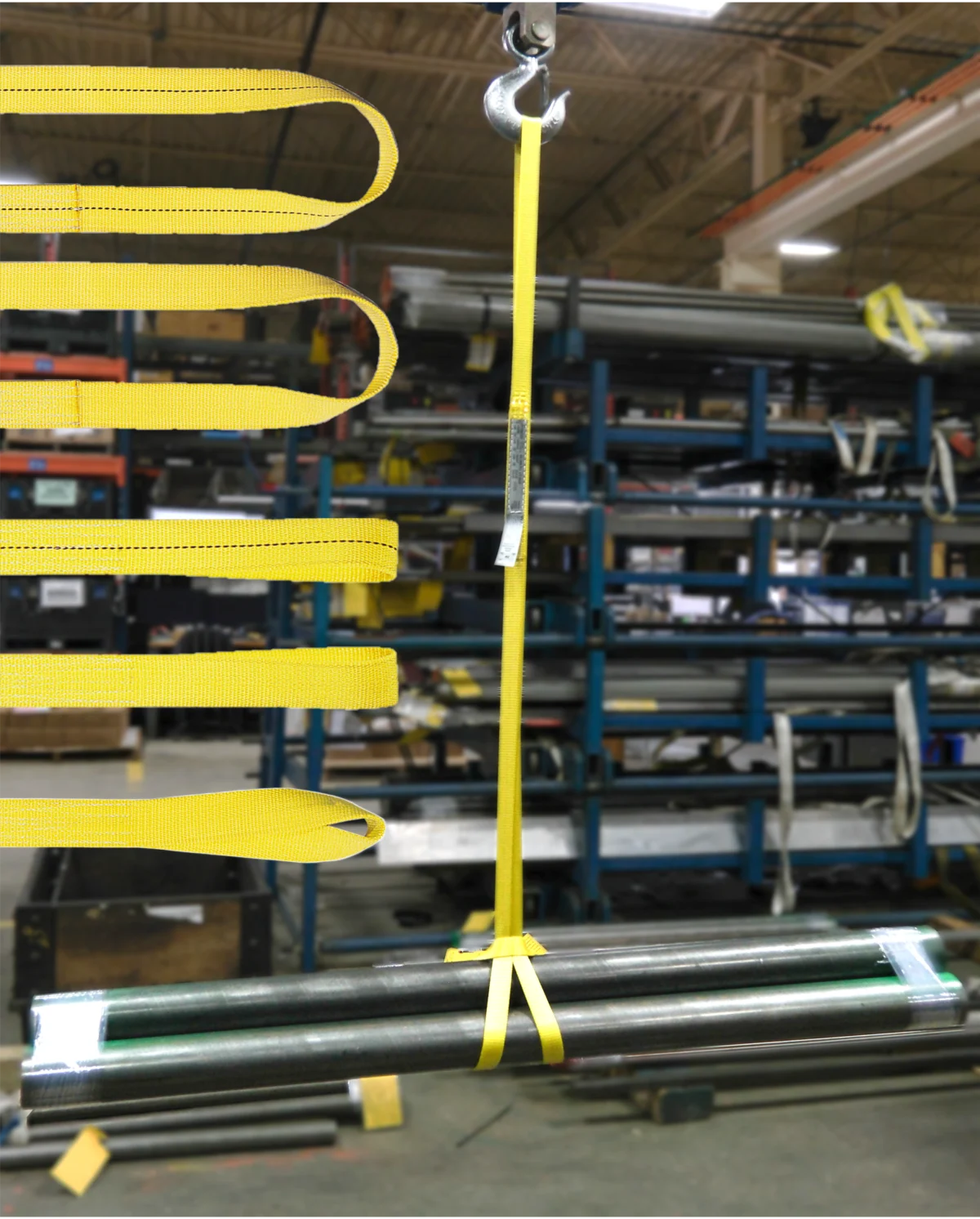
Complementing these are the new sling ranges from Jergens Inc. By utilizing high-strength nylon and polyester, Jergens provides endless and eye-and-eye slings that allow for secure, stable rigging in configurations—such as basket and choker hitches—that would be impossible with rigid chains or hooks.
Official Industry Perspectives
Representatives from the leading manufacturers emphasize that the current shift is not merely about buying hardware, but about "systems thinking."

"The goal is to remove the physical friction from the manufacturing process," says a spokesperson from EMH. "When an operator spends less time struggling with a heavy component and more time on high-value assembly, the entire shop’s output increases."
ABB Robotics echoes this sentiment regarding autonomy. "Our move toward Visual SLAM is a direct response to the request for ‘plug-and-play’ logistics. Shops shouldn’t have to renovate their entire facility just to introduce an autonomous robot."
Implications for the Future of Fabrication
Workforce Safety and Ergonomics
The primary implication of these advancements is the dramatic reduction in workplace injuries. Musculoskeletal disorders resulting from manual lifting and maneuvering are a significant cost burden for the metalworking industry. By transitioning to assisted lifting (cranes) and automated transport (AMRs), companies can significantly lower the risk profile of their shop floor, leading to higher employee retention and lower insurance premiums.
Operational Agility
The move toward modular cranes and infrastructure-free robotics suggests a future where production lines are no longer static. A shop can reconfigure its layout within days rather than months, responding to shifts in customer demand or new product launches. This level of agility is becoming a competitive necessity in an increasingly volatile global market.

The "Smart" Shop Floor
Finally, the integration of data-capable systems—such as the ABB AMR Studio—points to a future where material handling is not a manual task but a data point. By tracking where and how materials are moved, shop managers can identify bottlenecks in real-time, optimizing the flow of work from raw material intake to the shipping dock.
Conclusion
The landscape of material handling is undergoing a rapid transformation. From the foundational strength of recessed dock lifts to the cutting-edge navigation of autonomous forklifts, the tools available to today’s metalworking shops are more sophisticated and effective than ever.
As manufacturers look toward the next decade, the investment in these technologies will likely differentiate the market leaders from the laggards. By prioritizing safety, precision, and modularity, shop owners can ensure their facilities are prepared to handle not just the challenges of today, but the unforeseen demands of tomorrow. The integration of these solutions is more than a simple equipment upgrade; it is a strategic investment in the future of industrial production.