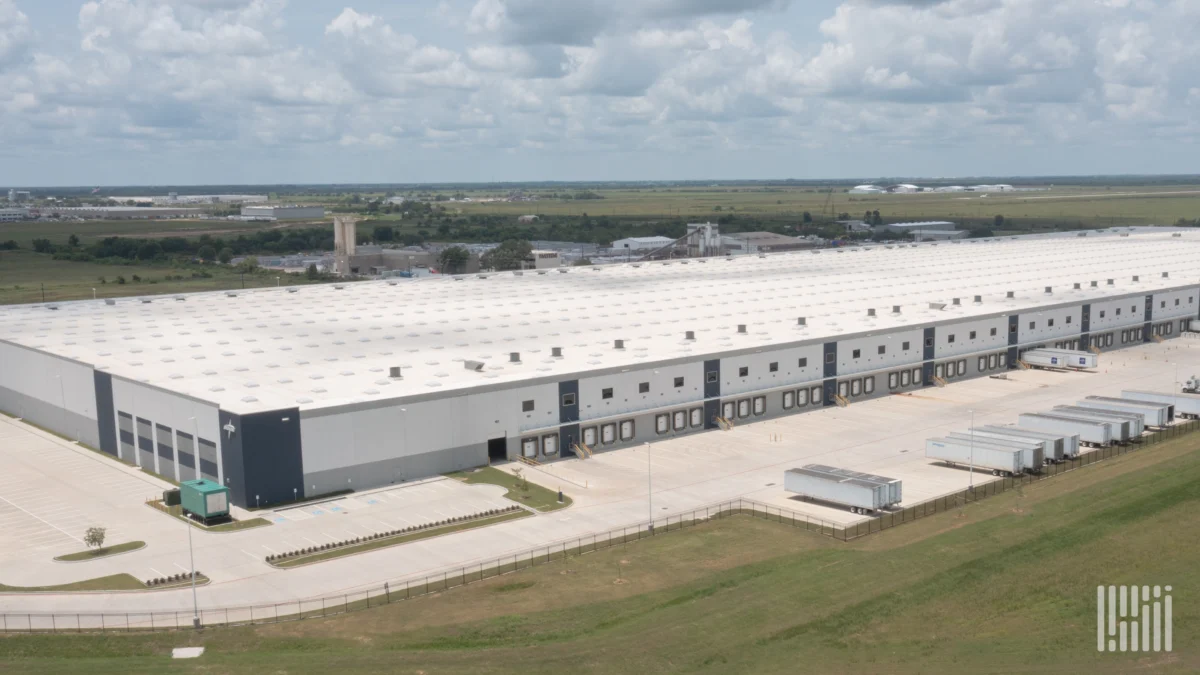





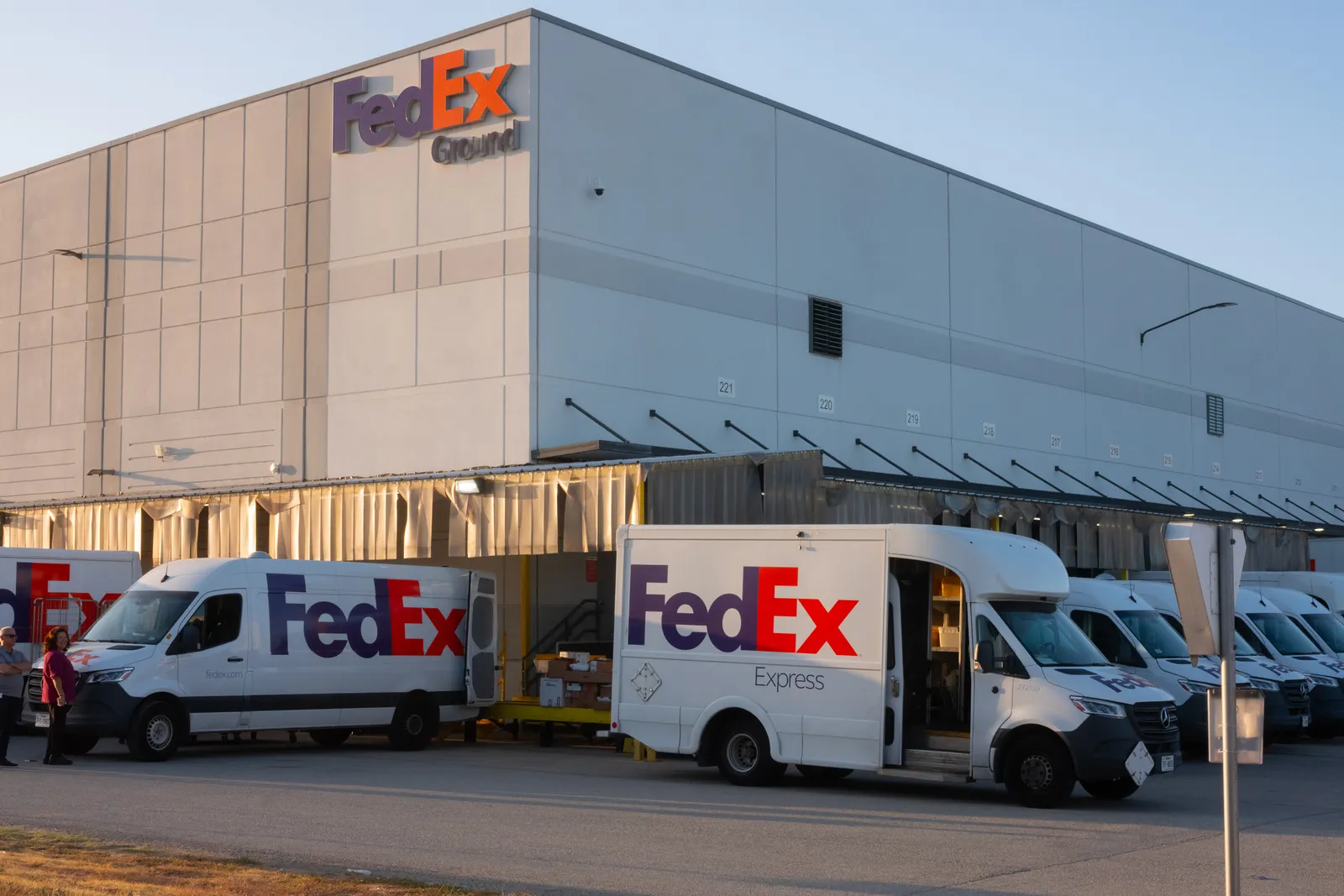
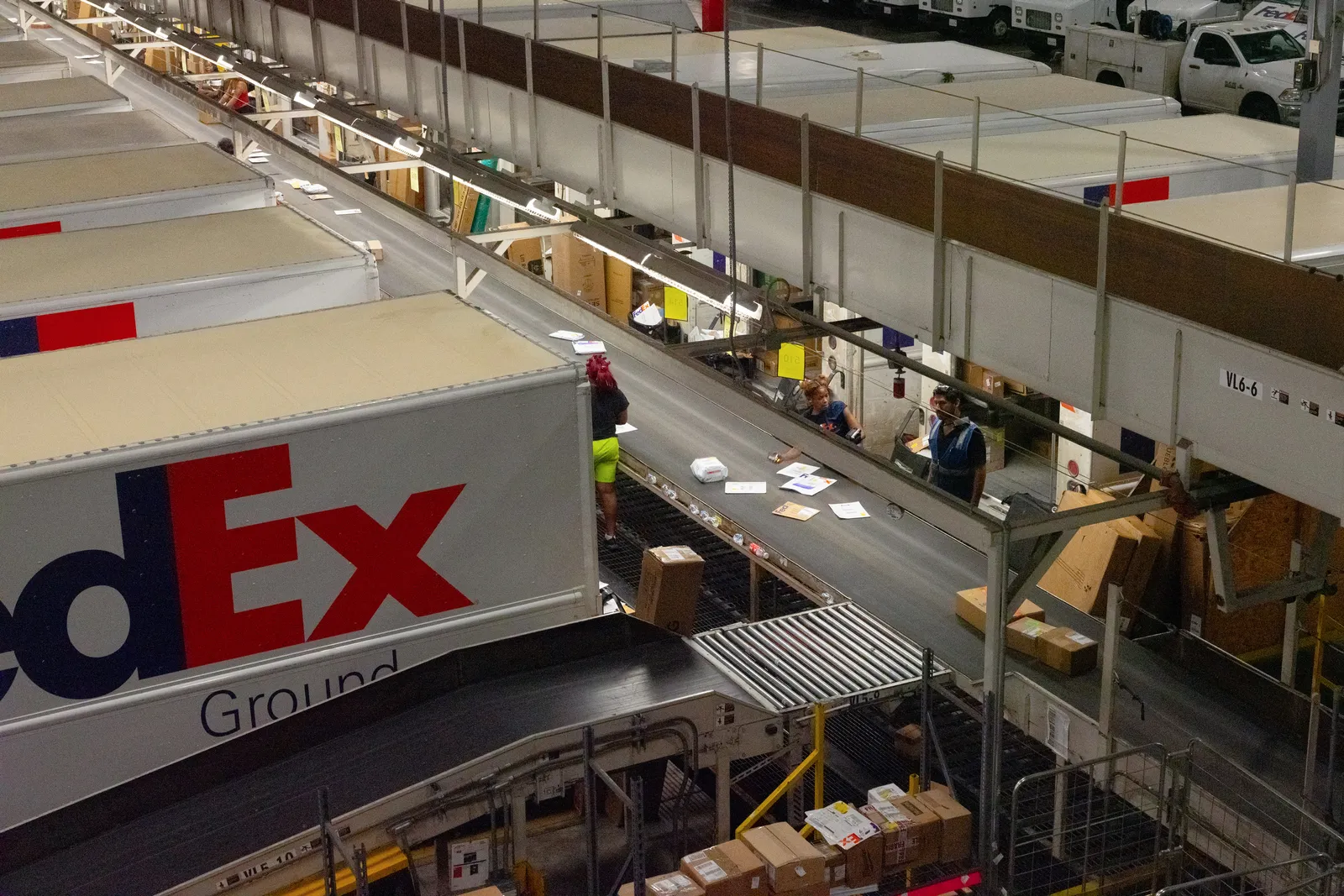
In the heart of the Dallas-Fort Worth metroplex, the city of Mesquite, Texas, has become the epicenter of a logistics evolution that promises to redefine the movement of global commerce. Inside a massive FedEx facility, the once-distinct worlds of "Express" and "Ground" shipping are colliding—not in a chaotic pile-up, but in a choreographed, high-speed ballet of efficiency.
This facility serves as a flagship demonstration of "Network 2.0," a sprawling, multi-billion-dollar operational overhaul that FedEx CEO Raj Subramaniam has described as one of the most significant industrial transformations in modern history. By dismantling decades-old organizational siloes, the logistics giant is fundamentally altering its facility footprint, its delivery route architecture, and the very nature of the consumer shipping experience.
Main Facts: Breaking Down the Operational Wall
For over half a century, FedEx maintained a bifurcated existence. The Express network, established in 1973, was built for speed, relying on an extensive fleet of aircraft to provide time-definite delivery. Conversely, the Ground network—which grew from the 1998 acquisition of RPS—focused on economical, day-definite delivery via surface transportation. For decades, this separation was a strategic advantage, allowing each arm to specialize. However, as the digital marketplace exploded, these networks began to overlap, leading to redundant routes, multiple trucks visiting the same residential streets, and bloated overhead costs.
Network 2.0 is the definitive solution to this redundancy. By consolidating Express and Ground operations into a singular, unified network, FedEx aims to streamline its logistics flow. In Mesquite, this means that tires, apparel, and time-sensitive GLP-1 medications now move through the same sorting tunnels and onto the same delivery vans. The primary goal is simple yet ambitious: one neighborhood, one truck, and one seamless delivery experience.
A Chronological Shift: From Separation to Integration
The transition to a unified network was not an overnight decision, but rather the culmination of years of internal analysis.
- 1973–1998: The era of distinct specialization. FedEx Express establishes the global standard for air-based, time-sensitive logistics, while the acquisition of RPS in 1998 sets the foundation for a robust ground-based delivery network.
- 2022: Facing mounting competitive pressure and shifting consumer expectations, leadership—including International COO and Airline CEO Richard Smith—begins publicly signaling the need to integrate overlapping service networks to drive down costs.
- 2023–2024: The consolidation of operating companies into a single, cohesive corporate entity begins. Massive station closures take place across the U.S. and Canada as the company trims its facility footprint.
- September 2025: CEO Raj Subramaniam announces that Network 2.0 is approximately 62% complete, with full integration targeted for 2027.
- Present Day: The Mesquite facility stands as a blueprint for the "new normal," having completed its full integration in late 2025. It serves as a testing ground for managing the complex interplay between urgent, time-definite air freight and standard, day-definite ground parcels.
Supporting Data: Efficiency at Scale
The economic and operational stakes of this transition are immense. FedEx has set a target of $2 billion in savings resulting from the network overhaul. The data from the Mesquite facility offers a glimpse into how these numbers are achieved.
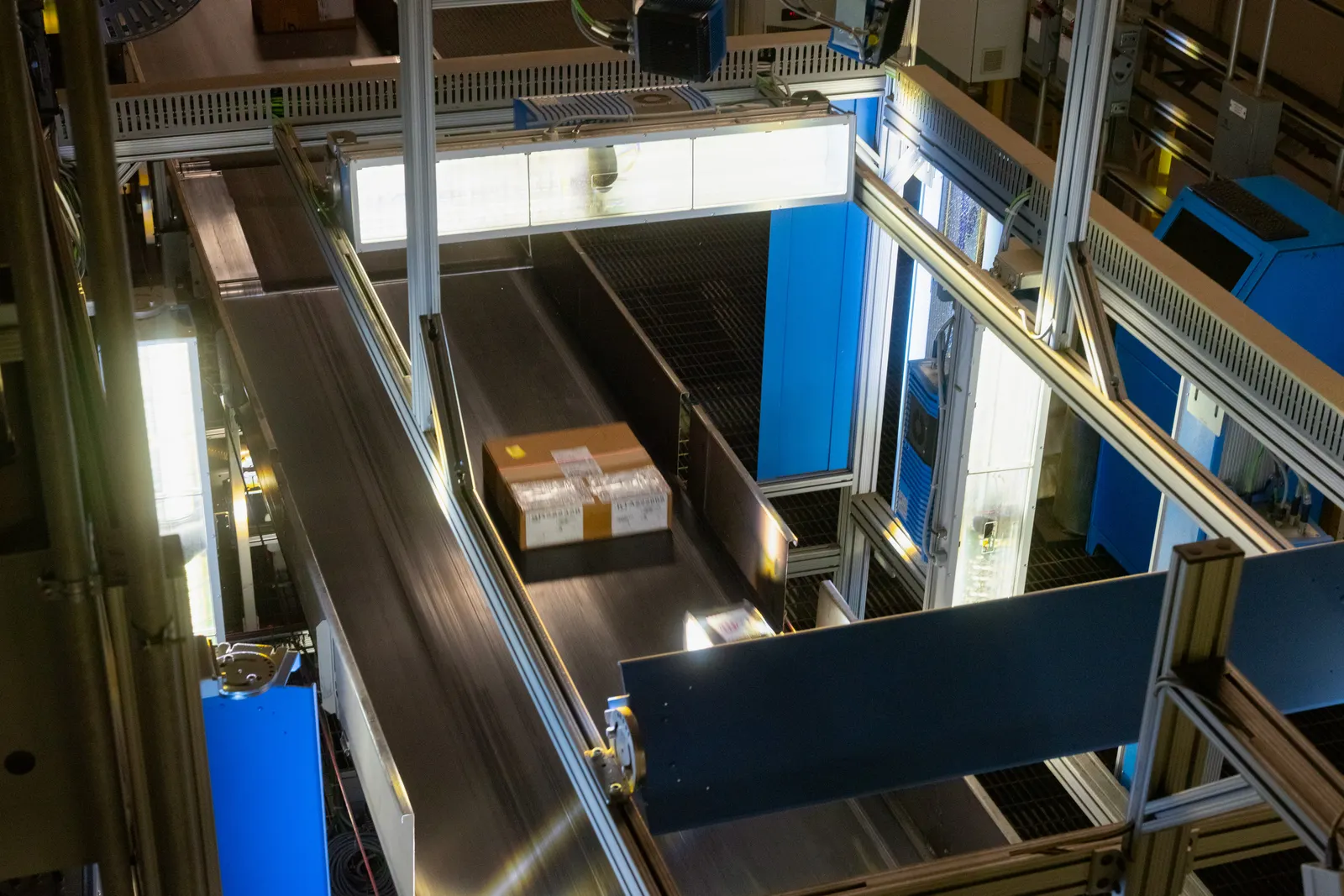
The facility processes approximately 100,000 packages every weekday, with daily delivery volumes averaging 60,000. During the December 2025 peak holiday season, the facility demonstrated the resilience of the new model. Despite a significant surge in volume, FedEx reported a 95.3% on-time delivery rate, a marked improvement from the 91.8% recorded in the same period in 2024.
Technology is the backbone of this performance. The facility employs:
- High-Speed Sortation: Two primary systems capable of handling 7,500 packages per hour each.
- Six-Sided Scanning: Advanced tunnels that read barcodes from every angle without human intervention.
- Caster Deck Systems: Newly installed infrastructure designed to handle air cargo pallets, ensuring that Express freight flows seamlessly into the ground-based delivery stream.
- Cold-Chain Integration: The addition of specialized refrigeration units to handle temperature-sensitive medical supplies, ensuring that healthcare clients—a high-priority growth segment—receive the same, if not better, service quality than under the legacy model.
Official Responses and Strategic Perspectives
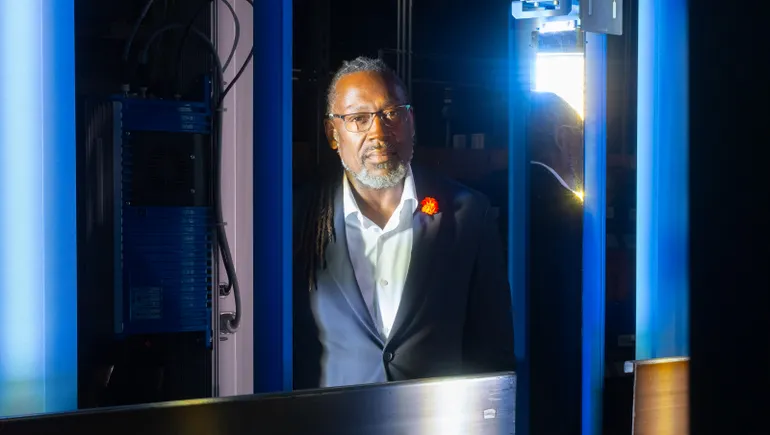
Leadership within the FedEx ecosystem views the transition as a survival-driven evolution. Johnne Moore, the district managing director for East Texas, emphasizes the reduction of confusion as a key customer-centric benefit. "At one point we were Ground, Home Delivery, and Express, and now it’s just Federal Express," Moore noted during a site tour. "It took a lot of confusion away from the customer."
However, industry experts provide a more nuanced view of the challenges involved. Mark Waverek of PlaidMark Management Consulting Services contends that the overhaul was a "must-do" to eliminate excessive overlapping costs. Yet, others point to the logistical complexity of merging two fundamentally different service levels. Jeremy Tancredi, a partner at West Monroe and a former UPS engineer, notes that while the change simplifies the customer interface, it exponentially increases the difficulty of daily operational management.
"It’s simpler for the customer, but it’s much more complicated for you," Tancredi said, noting that juggling time-definite air deliveries alongside standard ground parcels requires a higher degree of precision and driver training.
Implications: The Road Ahead for Logistics
The implications of Network 2.0 extend far beyond the walls of the Mesquite facility. For the thousands of employees and contracted service providers, the shift represents a new way of working. Contracted drivers, once accustomed to predictable day-definite routes, are now tasked with the additional responsibility of hitting precise morning time commitments for expedited parcels.
To mitigate the risk of disruption, FedEx has relied on rigorous route simulation and, in many cases, increased investments in personnel and fleet capacity. Tony DiNitto, founder of Route Tycoon, observed that while the change initially caused anxiety, the actual service impact has been minimal. "I think it created a lot of unknown, but I don’t think it created a lot of service issues," DiNitto stated.
Challenges and Future-Proofing
The path forward is not without risks. As seen with the U.S. Postal Service’s "Delivering for America" plan, revamping a national logistics network is a high-stakes endeavor where service reliability is fragile. FedEx’s strategy to avoid these pitfalls involves:
- Iterative Deployment: Starting in smaller markets before scaling to high-volume facilities like Mesquite.
- Increased Automation: Reducing reliance on manual labor for routine tasks to allow human workers to focus on complex, non-conveyable items (like furniture and oversized electronics) that now account for up to 15% of volume.
- Seven-Day Optimization: Preparing for a future where weekend delivery is the standard rather than the exception.
As the company marches toward its 2027 completion goal, the Mesquite facility serves as a living laboratory. It demonstrates that while the integration of legacy systems creates immediate operational pressure, the long-term potential for cost savings and competitive positioning is profound. By aligning its infrastructure with the realities of modern e-commerce—where consumers demand both speed and convenience—FedEx is attempting to future-proof itself against not only its rivals like UPS and Amazon but also the shifting tides of global consumer behavior.

For the employees in Mesquite, the transformation has been demanding, yet rewarding. "I told my team it’s one of the most challenging things we did," Moore concluded, "but it was one of the most rewarding." As the final pieces of the 2.0 puzzle fall into place, the entire logistics industry will be watching to see if this colossal gamble on unity truly pays off.