




In the high-stakes environment of industrial manufacturing, rotating equipment—from massive rotary screw air compressors to precision pumps and gearboxes—serves as the heartbeat of production. When these machines hum, the facility produces; when they fail, the bottom line suffers. While mechanical engineers often focus on the structural integrity of steel, gears, and bearings, the most critical component in any rotating machine is the fluid that separates these surfaces: the lubricant.
Oil does far more than reduce friction. It is the lifeblood of the machine, tasked with sealing clearances, carrying away intense thermal loads, preventing corrosive oxidation, suspending microscopic contaminants, and providing a protective barrier for high-speed bearings. If any of these functions fail, the machine is destined for an expensive and premature retirement. Yet, despite its critical role, lubrication is frequently relegated to an afterthought—a "calendar task" performed by rote rather than a sophisticated predictive maintenance strategy.
The Anatomy of Failure: Why Lubricants Matter
Operators of rotating equipment are well-versed in the symptoms of disaster: overheating motors, seized bearings, and the sudden, jarring silence of a production line grinding to a halt. Surprisingly, a vast majority of these failures share a common origin. They are almost always preventable, and in nearly every case, the first warning signs were written in the chemistry of the lubricant long before the mechanical failure occurred.
In any piece of rotating equipment, the lubricant is the thin, fragile barrier standing between reliable operation and catastrophic failure. When treated with respect, this film allows equipment to run for decades. When neglected, failure ceases to be a hypothetical "if" and becomes a guaranteed "when." The golden rules of asset protection are simple: use the right lubricant, in the right amount, at the right interval, and ensure it remains free from contamination.
The Ten Commandments of "Worst Practices"
To understand how to succeed, one must first identify the common pitfalls that lead to premature equipment death. Below are the ten most damaging habits currently prevalent in industrial maintenance.
1. The "Little Bit of Dirt" Fallacy
There is a pervasive belief that a small amount of contamination—a dusty funnel, a dirty oil cap, or a slightly contaminated transfer container—is inconsequential. This is a dangerous misconception. Dirt, moisture, and metal particulates are the primary accelerators of lubricant degradation. Many "lubricant failures" are not failures of the oil itself, but failures of cleanliness. Implementing strict procedural hygiene—filtered transfers, sealed storage, and rigorous cleaning of all application points—is the most effective way to extend asset life.
2. Misunderstanding Operating Temperatures
Lubricants are engineered for specific thermal envelopes. A common error is assuming that lower operating temperatures are always better. In truth, compressors operating at low loads may never reach the temperature threshold required to evaporate moisture. This trapped moisture leads to sludge formation, oxidation, and the development of corrosive acids. If your equipment isn’t hitting its recommended operating temperature, you have a climate control problem that will eventually become an oil problem.
3. Neglecting Oil Analysis
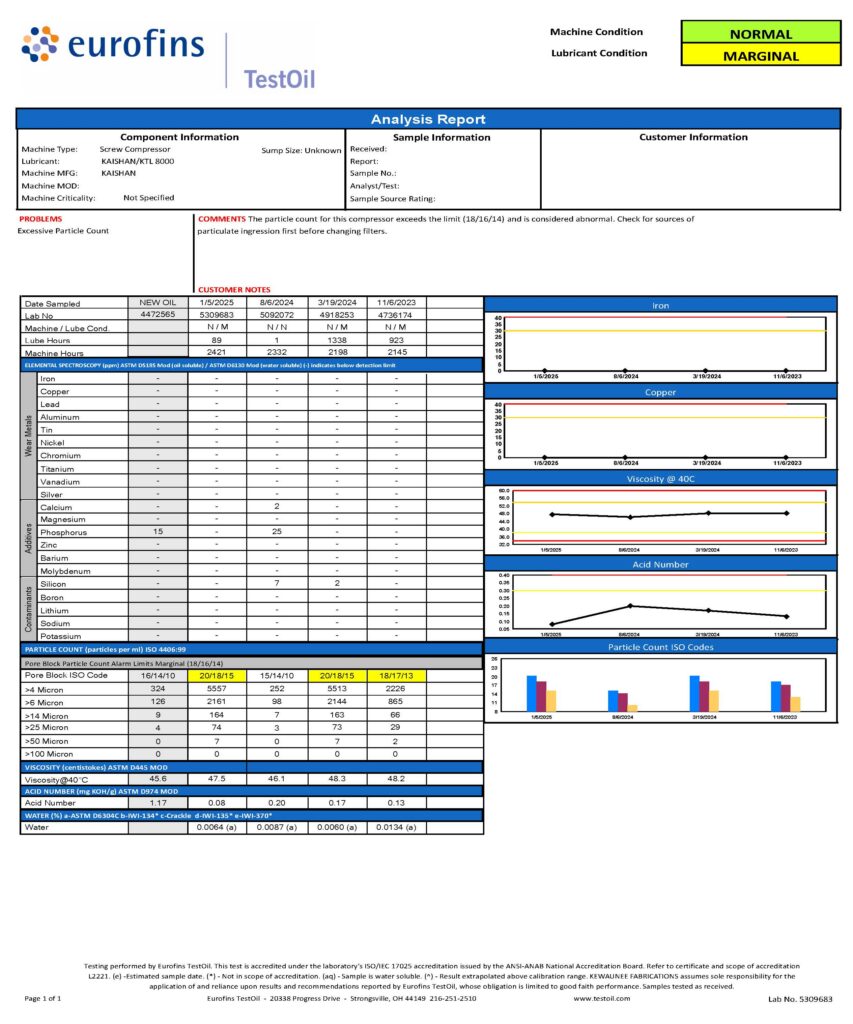
If there is one predictive tool that separates elite maintenance teams from the rest, it is the routine oil analysis. A standard laboratory report acts as a blood test for the machine. It provides early-warning visibility into viscosity changes, additive depletion, metallic wear, and coolant intrusion. To skip an oil analysis is to fly blind; to receive a report and not understand the limits that flag an error is to have a map you cannot read.
4. The "All Oils are Equal" Myth
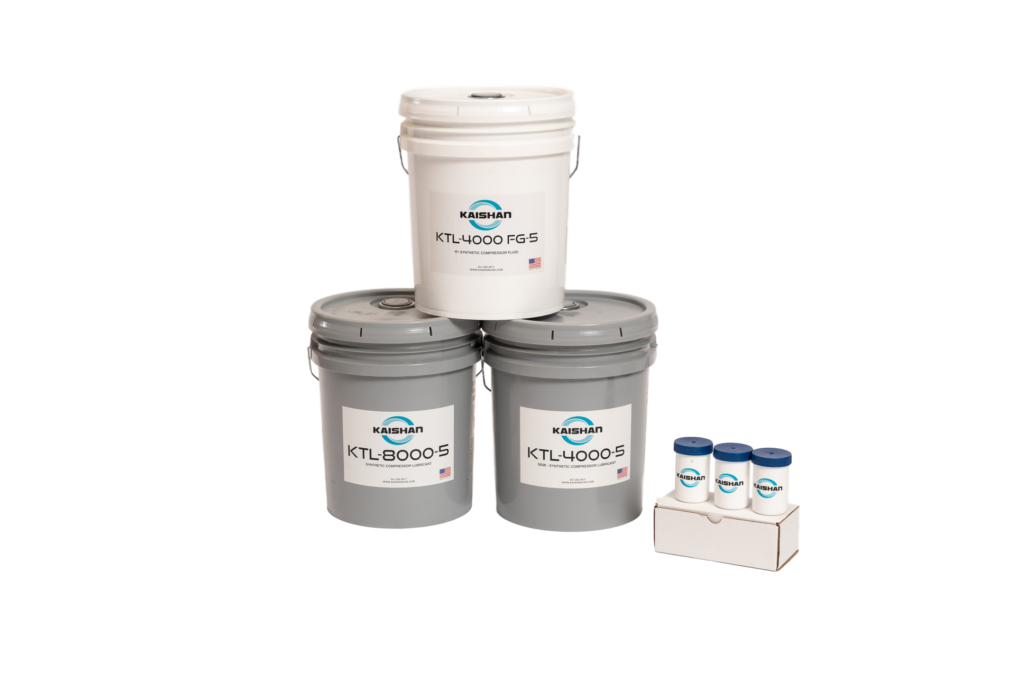
Viscosity, additive packages, and base-stock formulations (synthetic vs. mineral) are not academic concepts—they are performance benchmarks. Manufacturers spend thousands of hours validating specific lubricants for their machinery. Substituting an "equivalent" oil often results in varnish formation, increased energy consumption, or premature bearing wear. Saving a few dollars on bulk oil today can lead to a $20,000 airend repair tomorrow.
5. The Calendar-Only Maintenance Trap
Many maintenance departments treat lubrication as a rigid calendar-based task. However, ambient conditions, dust levels, and duty cycles dictate the life of a lubricant far more than a clock. Two identical compressors with the same load hours can have vastly different oil states based on the air they breathe. The most reliable teams use load hours as a baseline, but rely on oil analysis as their "North Star."
6. The Over-Greasing Epidemic
"If a little is good, a lot must be better" is a dangerous philosophy when applied to grease. Over-greasing generates excessive heat and forces lubricant into areas where it can cause damage or seal failure. Conversely, under-greasing causes metal-to-metal contact. The right amount, applied at the right interval, is superior to a "heavy-handed" repack. Always consult the manufacturer’s specifications rather than relying on the "feel" of the technician.
7. The Misconception of Reduced Load
There is a common belief that fewer loaded hours automatically equate to longer oil life. This ignores the reality of oxidation and time-based degradation. Even in machines that are not running, oxidation and moisture exposure occur. Furthermore, light-load operation often prevents the oil from reaching the temperature necessary to "burn off" condensation, making these machines paradoxically more vulnerable to moisture-related decay.
8. VSD-Induced Vulnerability
Variable Speed Drive (VSD) compressors are highly efficient, but they often operate at reduced speeds and lower loads for extended periods. This makes them prime candidates for the moisture issues described above. If a facility relies on VSDs, oil condition monitoring must be considered non-negotiable.
9. The Dangers of Mixing Greases
Grease compatibility is a frequently overlooked technical requirement. Mixing different thickener systems—such as lithium-complex and polyurea—can result in a chemical reaction that creates either a "runny" soap that leaks out of the bearing or a hardened sludge that starves the bearing of lubrication. Always verify compatibility before switching products.
10. The Mineral vs. Synthetic Debate
While mineral oils remain an industry standard for intermittent-duty, low-temperature applications, synthetic lubricants—such as PAO and PAG formulations—are superior in almost every metric of thermal resistance and oxidation protection. For high-duty-cycle operations, synthetics provide a better total cost of ownership by extending change intervals and reducing downtime. However, never switch base stocks without a thorough system flush, as residues can cause catastrophic additive reactions.
Implications for Reliability Strategy
The transition from reactive maintenance to a reliability-centered strategy requires a fundamental shift in perspective. Most bearing failures are not "bearing" problems; they are lubrication problems where the bearing is simply the first component to yield.
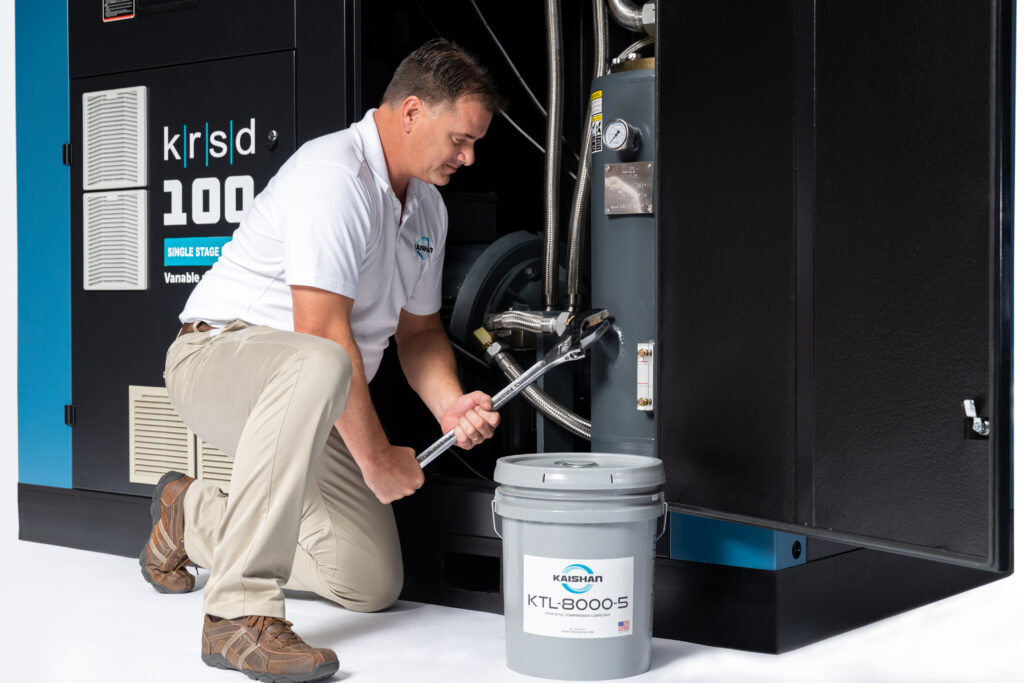
There are documented cases of compressors exceeding 80,000 operating hours on their original airends. This longevity is rarely a matter of luck; it is a direct result of disciplined, consistent, and scientifically informed lubrication management. The lubricant is a storyteller. It records the history of the machine’s internal health through particulate analysis and chemical decay. When maintenance teams learn to listen to that story, they gain the ability to intervene long before a breakdown occurs.
Summary Checklist for Excellence
To maximize the reliability of rotating equipment, organizations should adopt the following framework:
- Implement Proactive Sampling: Treat oil analysis as a mandatory diagnostic, not an optional expense. Use accredited third-party labs to interpret results.
- Standardize Contamination Control: Treat every oil change and grease application as a surgical procedure. Use clean containers, filtered pumps, and keep storage areas pristine.
- Audit Lubricant Selection: Ensure every machine is using the exact lubricant specified by the OEM. Do not allow "oil is oil" logic to dictate purchasing.
- Monitor Duty Cycles: Adjust maintenance intervals based on actual environmental factors—dust, temperature, and load—rather than sticking strictly to the manual’s hour-based recommendations.
- Train the Workforce: Ensure that the personnel handling lubrication equipment understand why these procedures exist. Knowledgeable staff are the final line of defense against the "worst practices."
Ultimately, lubrication is not a chore to be completed; it is an asset protection strategy. By mastering the fundamentals of fluid management, facilities can achieve higher efficiency, lower operating costs, and the kind of operational reliability that defines industry leaders. The countdown to failure is always ticking—the question is whether your team is choosing to ignore the clock or take control of it.