By Dambisa Moyo
Published: October 14, 2026
Dateline: JAIPUR
Introduction: The Convergence of Global Risk
The contemporary global economic landscape is defined not merely by the presence of severe systemic risks, but by their unprecedented convergence. While economists, policymakers, and financial analysts have long monitored individual threats—such as stubborn inflation, escalating sovereign debt, hyper-market concentration, and geopolitical fragmentation—it is exceptionally rare, and profoundly dangerous, for all these forces to peak simultaneously.
Writing from Jaipur, against a backdrop of deep-seated uncertainty across developing and developed nations alike, it is increasingly difficult to recall a historical precedent where economies, financial markets, domestic politics, and social structures were all subjected to such extreme, concurrent volatility.
Global governance institutions are being pushed to their absolute limits. As supply chains fracture, interest rate regimes grapple with structural price pressures, and geopolitical flashpoints multiply, the traditional playbook for economic stabilization appears increasingly obsolete. This analysis examines the anatomy of this multi-faceted crisis, tracking its evolution, evaluating empirical data, reviewing official responses, and forecasting the long-term structural implications for the global order.
Main Facts
To comprehend the severity of the current economic environment, one must isolate the core pillars of instability currently pressuring the global system:
- Persistent Inflationary Pressures: Unlike the transient price shocks predicted by central banks in the early 2020s, inflation has exhibited structural stickiness. Driven by demographic shifts, the energy transition, and de-globalization, consumer price indexes (CPI) remain stubbornly above historical central bank targets in many major economies.
- Mounting Public Debt: Sovereign debt burdens have reached astronomical heights following years of pandemic-era fiscal stimulus, subsequent energy subsidies, and escalating defense spending. Both advanced and emerging market economies are facing unprecedented debt-to-GDP ratios, raising the specter of sovereign debt distress.
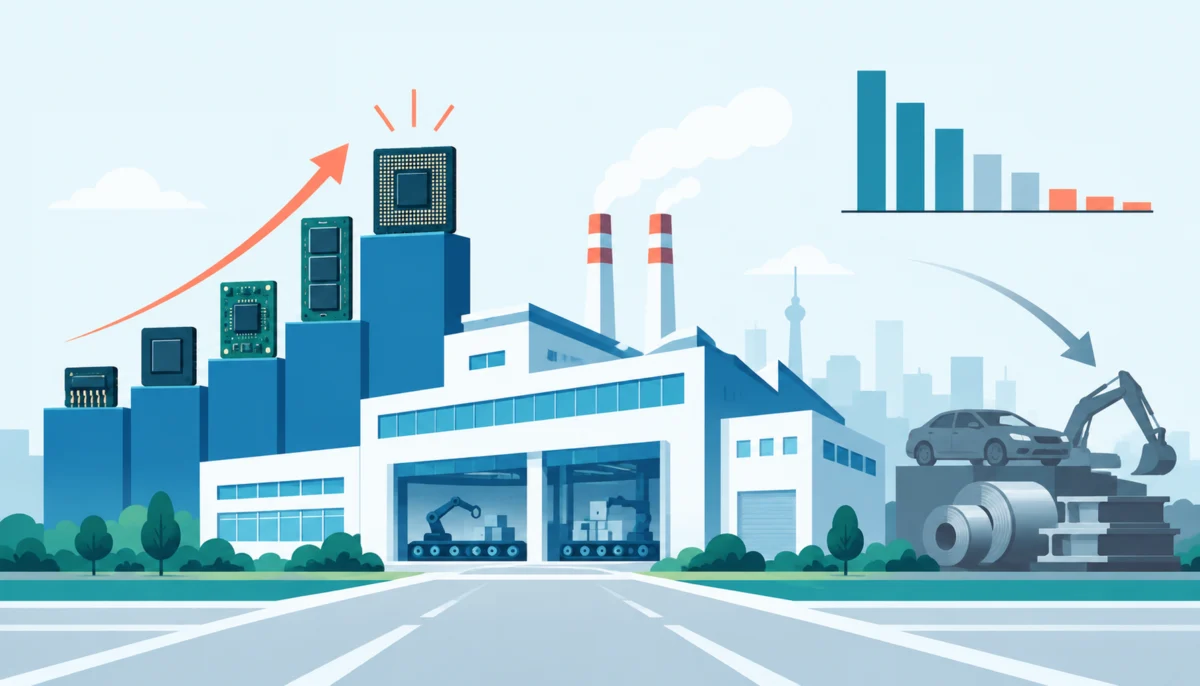
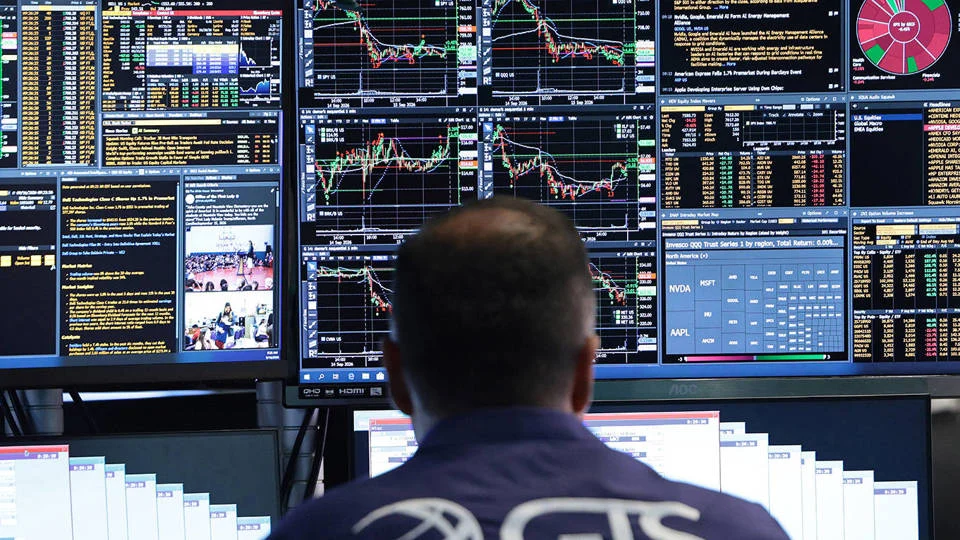
- Extreme Market Concentration: Financial markets are increasingly dominated by a handful of mega-cap entities—particularly within the technology and artificial intelligence sectors. This creates systemic vulnerability, where the financial health of the broader global economy is tethered to the operational and valuation stability of a minuscule cohort of corporations.
- Geopolitical Volatility: The retreat from multilateralism has accelerated. Trade fragmentation, economic nationalism, protectionist tariffs, and active military conflicts in critical regions (such as Eastern Europe and the Middle East) have permanently altered the cost and security of cross-border commerce.
Chronology: How We Reached This Junction
The compounding crises of 2026 did not materialize overnight; they are the cumulative result of a decade-long sequence of economic shocks and policy trade-offs.
- 2020–2021 (The Pandemic Shock): Governments worldwide deployed unprecedented fiscal and monetary stimuli to avert a depression during COVID-19. While successful in preventing immediate economic collapse, these measures sowed the seeds for subsequent inflation and massive public debt accumulation.
- 2022 (The Geopolitical Catalyst): The outbreak of war in Ukraine triggered severe supply shocks in global energy and agricultural markets. Central banks were forced into the most aggressive synchronized monetary tightening cycle in decades, abruptly ending an era of ultra-low interest rates.
- 2023–2024 (The Fragile Stabilization & Banking Tremors): As interest rates spiked, vulnerabilities in the financial sector surfaced, highlighted by regional banking stress in the United States and ongoing property sector debt crises in China. Meanwhile, supply chains began shifting toward "friend-shoring," driving up operational costs for multinational corporations.
- 2025 (The Fragmentation Deepens): Trade disputes escalated into systemic protectionism. Industrial policy—marked by heavy state subsidies in the US, Europe, and Asia—distorted traditional market efficiencies, while developing nations bore the brunt of high global borrowing costs and capital flight.
- 2026 (The Confluence): Entering the current year, the delayed effects of high interest rates collided with structural debt walls, ongoing geopolitical fractures, and concentrated market vulnerabilities, creating the simultaneous multi-front crisis highlighted by financial and economic observers today.
Supporting Data and Economic Indicators
The empirical evidence underpinning this environment reflects a global economy under profound stress:
- Global Sovereign Debt: According to recent international financial statistics, global public debt has surpassed historic milestones, exceeding 93% of global GDP. Several developing nations are currently spending more on debt servicing than on healthcare or education.
- Inflation Variances: While headline inflation has moderated from its post-pandemic peaks, core inflation—stripping out volatile food and energy costs—remains resiliently above the 2% threshold across the OECD, forcing central banks to maintain restrictive monetary stances longer than financial markets anticipated.
- Market Concentration Metrics: In major equity indices, the top five corporations account for an unprecedented percentage of total market capitalization. This high degree of concentration leaves indices uniquely vulnerable to sector-specific regulatory shifts or corrections in tech valuations.
- Trade Restrictiveness: Data from global trade monitors indicates that the number of implemented protectionist measures—including tariffs, export controls, and non-tariff barriers—has quadrupled compared to pre-2020 averages, signaling a permanent structural shift toward managed trade.
Official Responses and Policy Dilemmas
Policymakers across the globe find themselves trapped in difficult policy trilemmas, where traditional tools offer limited relief.
Central Banks and Monetary Authorities
Central banks are walking a precarious tightrope. Easing monetary policy too soon risks re-igniting inflationary spirals, while maintaining high interest rates threatens to trigger widespread corporate defaults and sovereign debt crises. Forward guidance has become less effective as economic data remains notoriously volatile.
Fiscal Authorities and Governments
Governments face intense political pressure to spend—addressing aging populations, infrastructure needs, defense, and the green transition—even as fiscal space evaporates. In response, nations are increasingly turning to industrial policies, tax incentives, and regulatory interventions to stimulate domestic growth, often at the expense of international cooperation.
Multilateral Institutions
The International Monetary Fund (IMF) and the World Bank have repeatedly warned about the fragmentation of the global financial architecture. However, their capacity to orchestrate coordinated global responses has been hobbled by geopolitical gridlock among major economic superpowers.
Implications for the Global Future
The coexistence of these systemic risks carries profound implications for the next decade of economic development:
- Lower Baseline Growth: The era of hyper-globalization and cheap capital is over. Businesses and governments must adapt to structurally higher costs of capital, more expensive supply chains, and reduced productivity gains.
- Sovereign Vulnerability and Restructurings: Developing nations with high foreign-currency debt face severe economic hardship. Without comprehensive debt relief mechanisms, a wave of sovereign defaults could stall growth across entire regions.
- Corporate Adaptation: Resilience is replacing efficiency as the primary corporate objective. Companies are prioritizing redundancy, localized sourcing, and balance-sheet strength over lean, just-in-time logistics.
- Social and Political Strain: Persistent inflation and asset market concentration widen wealth inequalities, fueling populist politics and social unrest. Restoring faith in economic institutions will require deliberate policy interventions that prioritize broad-based prosperity over financial market health alone.
Conclusion
The convergence of inflation, soaring debt, market concentration, and geopolitical volatility in 2026 is not a temporary aberration; it is a structural inflection point for the global economy. Navigating this dangerous environment will require policymakers, market leaders, and international institutions to abandon complacency, discard outdated economic orthodoxies, and embrace a pragmatic, resilient approach to global stability. The challenges are formidable, but recognizing their simultaneous nature is the critical first step toward effective remediation.