The landscape of modern warfare is shifting beneath the waves and across the surface of the world’s oceans. As militaries transition from legacy platforms to decentralized, autonomous systems, the paradigm of naval dominance is being rewritten. From the tactical successes of Ukrainian maritime drones in the Black Sea to the high-tech, long-endurance vision of DARPA’s "No Manning Required" (NOMARS) program, the era of the autonomous vessel has firmly arrived. These systems are no longer mere experimental concepts; they are cost-effective, high-impact assets that are forcing a fundamental reassessment of naval strategy and budget allocation.
The Evolution of Maritime Conflict: A Chronology of Change
The integration of unmanned systems into naval operations is a trajectory defined by rapid technological acceleration.
- The Early Era (1970s): Initial attempts at utilizing non-human assets for underwater reconnaissance often relied on biological counterparts. Navies, including those of the United States and the Soviet Union, experimented with trained dolphins to detect underwater mines and protect sensitive naval assets. While effective for their time, these biological solutions were limited by physiological constraints and the high cost of training and maintenance.
- The Pivot to Autonomy (2010s): As AI, sensor miniaturization, and battery technology matured, Unmanned Underwater Vehicles (UUVs) and Unmanned Surface Vessels (USVs) began to replace legacy methods. These machines proved capable of performing dangerous, repetitive, and long-duration tasks without the risk to human personnel.
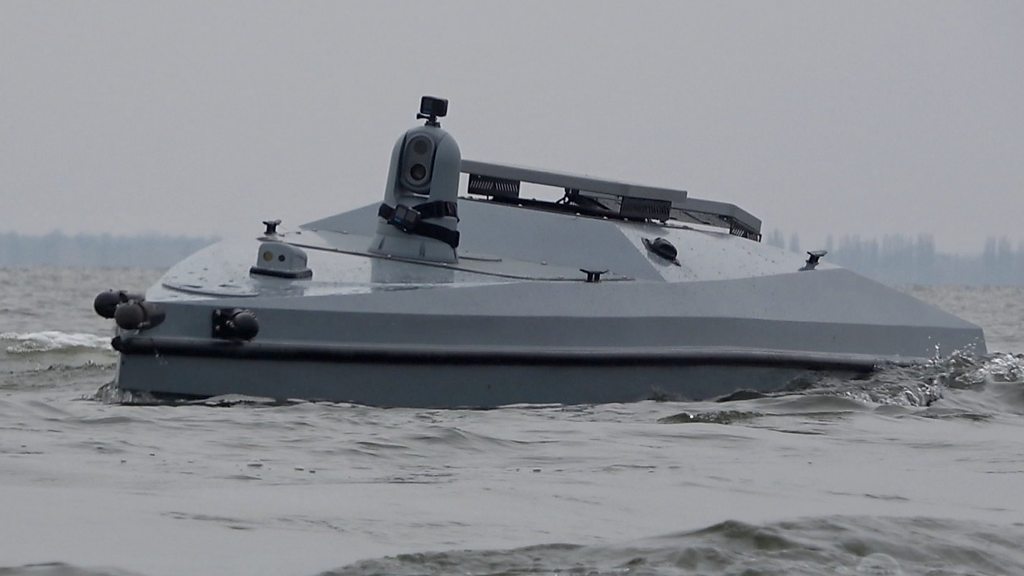
- The Black Sea Catalyst (2022–Present): The ongoing conflict in Ukraine has acted as a crucible for autonomous naval technology. In November 2022, Ukrainian forces famously deployed a drone boat in an audacious attempt to neutralize the Russian patrol vessel Sergey Kotov. The attack, while only partially successful, signaled a new reality: asymmetric warfare could now challenge a traditional blue-water navy. By forcing the Russian Black Sea Fleet into a posture of constant, heightened vigilance and restricting their freedom of movement, these relatively inexpensive drones achieved strategic effects far beyond their price tag.
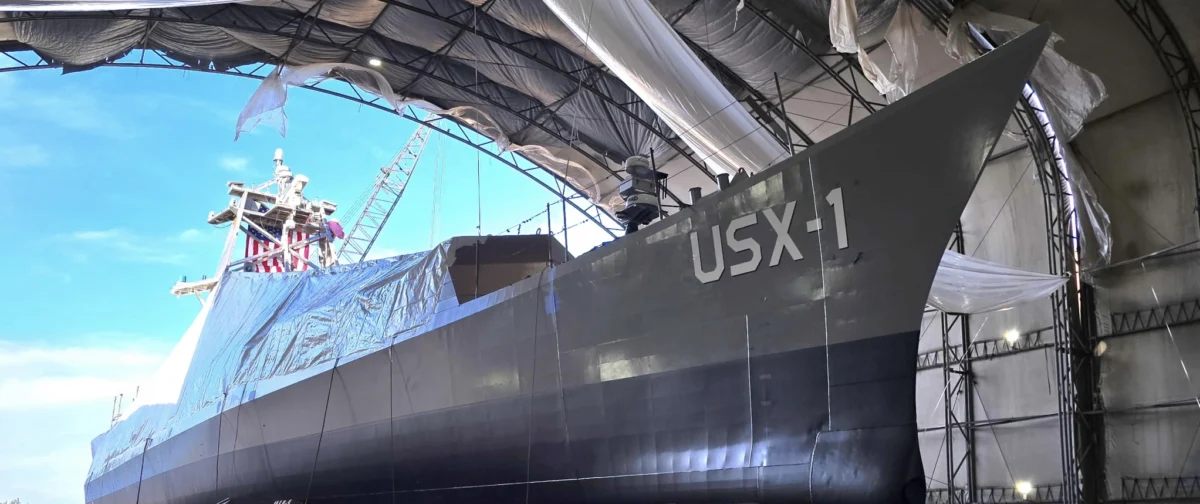
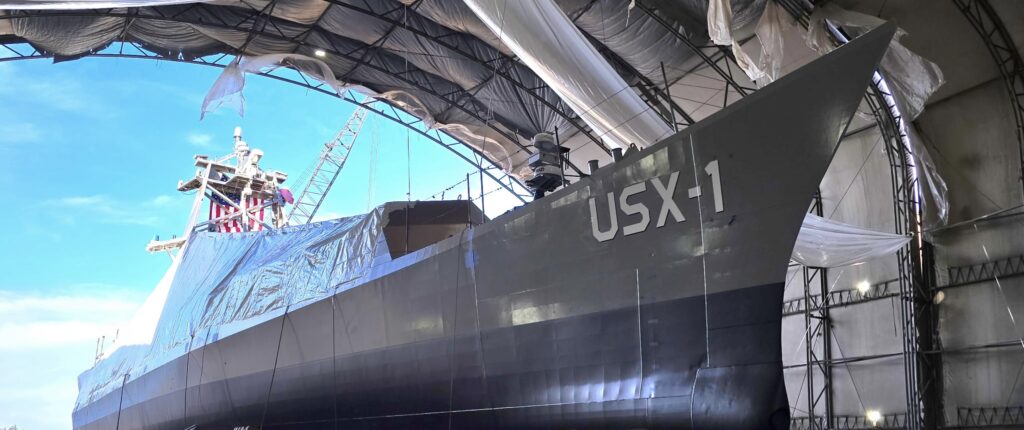
- The Era of "No Manning" (2025): The February 2025 completion of the USX-1 Defiant prototype marks a watershed moment. This vessel, designed under DARPA’s NOMARS program, is the first ship built from the keel up with zero provisions for human occupants, signaling a move toward fully autonomous, long-endurance naval operations.
The Strategic Importance of UUVs and USVs
Unmanned platforms are categorised by their operational environment and their primary mission profiles. Their utility is multifaceted, spanning from tactical combat to essential logistical support.
Tactical Surveillance and Reconnaissance
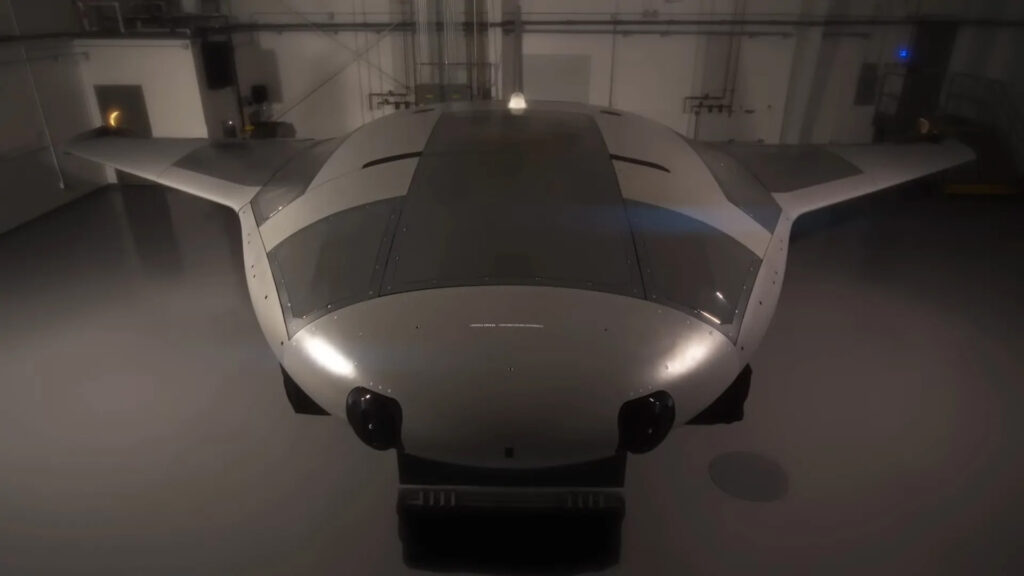
UUVs have become the "eyes and ears" of modern fleets. Unlike traditional manned platforms, they can loiter in contested waters for extended periods, providing persistent monitoring of adversary movements without the risk of detection or loss of life. In a modern theater, these drones serve as the first line of defense, identifying threats long before they reach high-value assets like aircraft carriers or nuclear-powered submarines.
Mine Countermeasures
The legacy of underwater mines remains one of the greatest threats to global shipping and naval mobility. Autonomous systems excel here, efficiently locating and neutralizing mines in environments that would be prohibitively dangerous for human divers or manned mine-sweepers. By clearing safe passages, these drones ensure that the flow of commerce and naval assets remains uninterrupted.
Logistics and Supply
The "burden of the fleet" often relates to logistics. Transporting supplies and equipment is a resource-intensive endeavor for traditional vessels. Autonomous cargo vessels are currently being developed to handle these duties, reducing the exposure of manned logistics ships to enemy fire and allowing human crews to focus on high-complexity decision-making.
The NOMARS Revolution: Redefining Naval Architecture
The NOMARS program, spearheaded by the Defense Advanced Research Projects Agency (DARPA), represents a radical departure from traditional naval design. For decades, ship design has been dictated by the requirements of the human crew: habitability, life support, waste management, and safety protocols. By removing these constraints, engineers have unlocked new possibilities in hydrodynamic efficiency, stealth, and survivability.
The USX-1 Defiant
The USX-1 Defiant, constructed by an industry alliance led by Serco, is a 180-foot, 240-metric-ton vessel designed for long-duration, high-reliability operations at sea. By eliminating the need for human life support, the vessel can be built with a smaller profile, lower maintenance requirements, and greater fuel efficiency.
"The platform was designed from the keel up as a truly autonomous vessel," according to project documentation. This allows for a reimagined maintenance philosophy. Traditional ships require frequent port calls to support crew rotations and supply replenishment. The Defiant is designed to remain at sea for unprecedented periods, drastically increasing the availability of the fleet while lowering the total cost of ownership.
Industry Collaboration
The success of the NOMARS program relies on an ecosystem of specialized engineering firms. Serco’s partnership with companies like Nichols Brothers Boat Builders, Submergence Group, Metron, and Caterpillar Marine highlights the complexity of creating a ship that can operate autonomously in the harsh environment of the open ocean. This multi-firm approach ensures that every aspect—from propulsion and structural integrity to AI-driven navigation—is optimized for a world without human intervention.
Implications for Global Maritime Strategy
The proliferation of autonomous naval technology is shifting the balance of power on the high seas.
Economic Warfare and Budgetary Shifts
Perhaps the most significant impact is the cost-efficiency of these systems. A drone boat, even one equipped with advanced weaponry like the 25mm Mark 38 gun, costs a fraction of a traditional frigate or destroyer. When a military can flood a theater with dozens of autonomous units for the price of a single manned vessel, the adversary faces an insurmountable math problem. This is forcing nations to reconsider their procurement budgets, shifting funds from large, vulnerable platforms toward distributed, expendable, and resilient drone swarms.
Environmental and Scientific Contributions
Beyond the battlefield, the technology behind these drones is revolutionizing oceanography. Autonomous platforms are now being used to monitor ocean temperatures, track current patterns, and even provide early warning systems for natural disasters like tsunamis. By leveraging AI to process vast amounts of sensor data, these drones are helping scientists map the ocean’s health, measure oxygen levels, and better understand the impacts of climate change on marine ecosystems.
The Human-in-the-Loop Dilemma
As autonomy increases, so do the ethical and legal questions surrounding the use of force. While current systems typically maintain a "human-in-the-loop" for critical decision-making, the speed of modern combat may eventually necessitate "human-on-the-loop" or fully autonomous engagement protocols. This transition will require international consensus and rigorous testing to ensure that these systems adhere to the laws of armed conflict.
The Future Landscape
The integration of drones into naval warfare is not a fleeting trend but a fundamental evolution. As the technology matures, we can expect to see a wider array of specialized autonomous platforms. This includes "loitering" underwater drones that can attach themselves to enemy hulls, persistent surveillance networks that turn the ocean into a transparent environment, and modular drone ships that can be reconfigured for different missions on short notice.
The work currently being done by DARPA and its partners, alongside the real-world testing occurring in conflict zones, is setting the stage for a new century of maritime history. In this future, the "silent armada"—the collection of ships, submarines, and surface craft operating without a soul on board—will be the primary arbiter of naval power. The nations that master the integration, maintenance, and strategic deployment of these autonomous fleets will hold the key to maritime superiority in the decades to come.
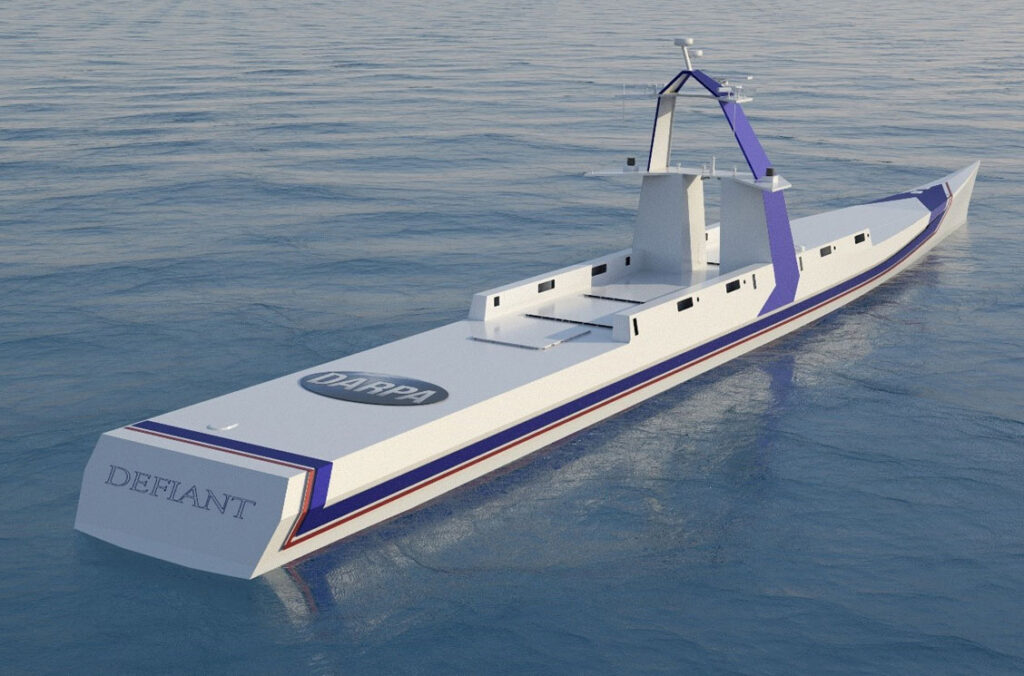
As we look toward the multi-month at-sea demonstrations scheduled for the Defiant in the coming year, it is clear that the horizon of naval warfare has moved further than we ever imagined. The age of the autonomous sailor has begun, and the world’s oceans will never be the same.