In the high-stakes environment of industrial manufacturing, oil is frequently relegated to the status of a "consumable"—a commodity to be changed when the calendar dictates. However, for those responsible for the health of rotating equipment, this perspective is not only outdated; it is a direct path to catastrophic failure. Oil does far more than reduce friction in rotating equipment. It seals clearances, carries away heat, prevents corrosion, suspends contaminants, and protects bearings. When one of these functions falters, the machinery it protects is destined to follow.
The Core Functions of Lubrication
Modern rotating equipment—from massive rotary screw air compressors and high-pressure pumps to precision gearboxes and conveyor systems—relies on a microscopic film of lubricant. This thin layer acts as the primary barrier between expensive metal components. When this film is robust, equipment can run for decades. When it is neglected or compromised, the countdown to mechanical failure begins.
The industry has moved beyond the simple "change the oil every six months" mindset. Reliability engineers now recognize that lubrication is the "lifeblood" of the machine. The lubricant is the first indicator of internal health; it acts as a diagnostic window into the mechanical soul of the equipment.
Chronology of Neglect: The 10 Worst Practices
Reliability experts have identified ten recurring "worst practices" that plague maintenance departments, turning simple lubrication tasks into systemic failures.
1. The "Little Bit of Dirt" Fallacy
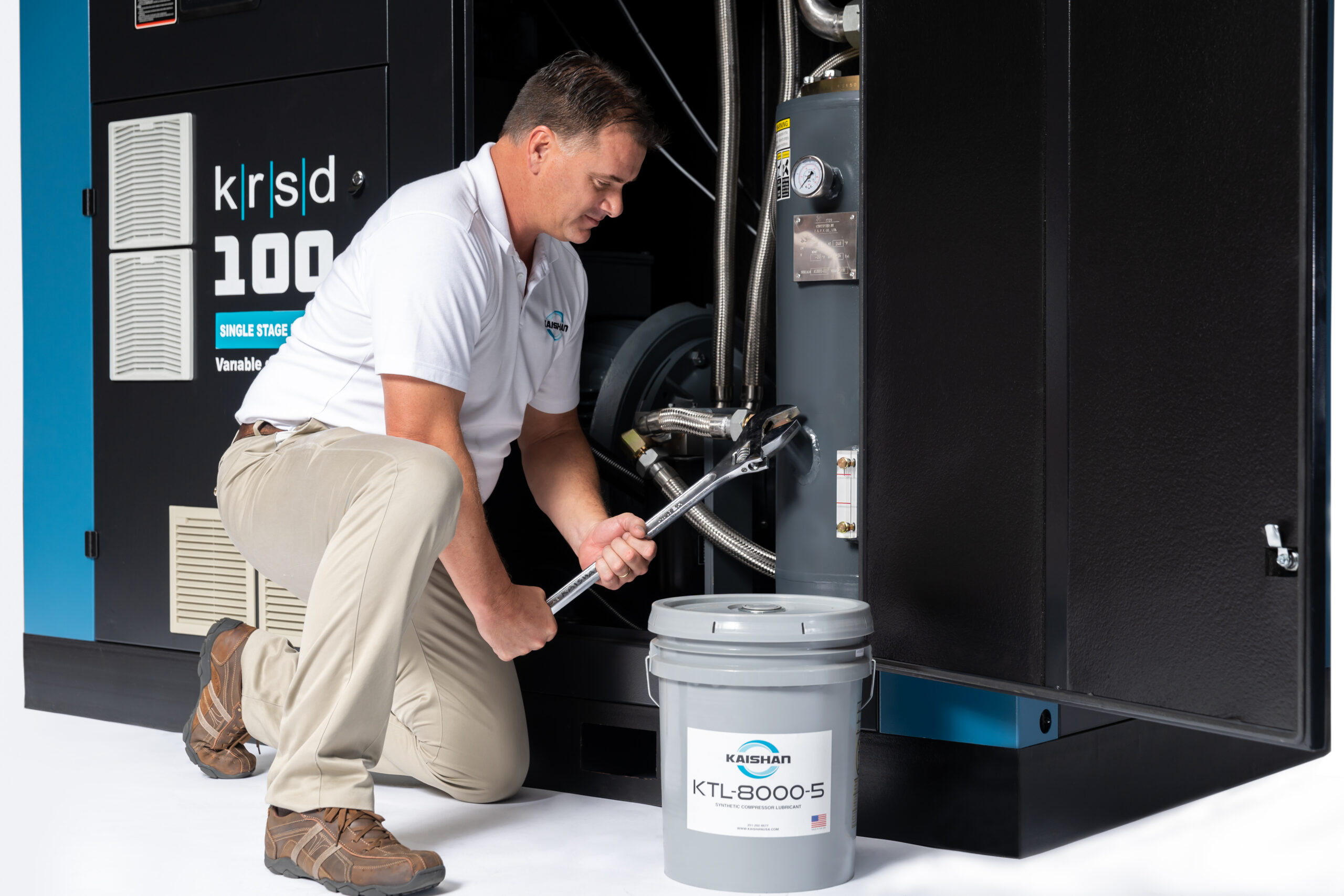
Contamination is the silent killer of lubricants. Whether it is moisture, metal particulates, or atmospheric dust introduced via an unclean funnel during a top-off, foreign matter significantly shortens fluid life. Most lubricant-related failures are not the result of poor oil quality, but rather poor handling. The solution is procedural discipline: utilizing filtered transfers, dedicated clean containers, and rigorous hygiene during maintenance.
2. The Danger of Under-Heating
A common misconception is that "cooler is better." In reality, lubricants are engineered to operate within specific thermal windows. Compressors that run at consistently light loads may never reach the operating temperature required to vaporize moisture. This trapped moisture leads to oxidation, sludge formation, and acidic degradation, effectively killing the oil from the inside out.
3. Ignoring Oil Analysis
If there is a "gold standard" for predictive maintenance, it is routine, accredited oil analysis. A fluid sample provides early warning of bearing wear, coolant intrusion, viscosity shifts, and filtration failure. Treating oil analysis as an optional expense rather than a core reliability investment is a recipe for unplanned downtime.
4. The "All Oils are Equal" Myth
The belief that any lubricant will suffice is a catastrophic error. Manufacturers invest heavily in validating specific additive packages and viscosity grades for their equipment. Substituting an incorrect fluid can lead to varnish, energy spikes, and premature failure of critical components like the airend—turning a nominal savings on oil into a $20,000 repair bill.
5. The Calendar-Only Trap
Operating hours are merely a starting point. Ambient conditions, duty cycles, and environmental contaminants play a far larger role in fluid life than the hour meter suggests. Teams that achieve maximum equipment longevity treat operating hours as one data point among many, using oil analysis as their primary guide for change intervals.
6. The "More is Better" Grease Mentality
Over-greasing is as detrimental as under-greasing. Excessive grease generates internal friction and heat, forcing lubricant into areas where it can cause damage. Maintenance teams should follow the bearing manufacturer’s precise volume specifications rather than relying on the "feel" of the technician at the grease gun.
7. The Low-Load Misconception
It is a dangerous myth that fewer loaded hours mean longer oil life. Variable-speed drive (VSD) compressors, while efficient, often run at reduced speeds that fail to drive off moisture. Furthermore, lubricants degrade through oxidation and time, meaning calendar-based limits are just as critical as hour-based ones.
8. VSD Complexity
Variable-speed drive compressors require heightened vigilance. Because they frequently fluctuate in speed, their lubrication needs are dynamic. Plant managers must treat oil sampling as a non-negotiable requirement for VSD assets to ensure the oil is not degrading during prolonged low-speed cycles.
9. Grease Incompatibility
Mixing different grease thickeners is a common, yet severe, industrial error. Incompatible chemistries can lead to hardening, liquefaction, or the formation of sludge, which can seize a bearing in short order. Compatibility charts and proper flushing procedures must be observed when switching products.
10. The Mineral vs. Synthetic Debate
While mineral oils remain a budget-friendly standard for low-duty applications, synthetic lubricants—such as PAO and PAG formulations—are engineered to resist thermal breakdown and varnish. In high-duty cycles, the total cost of ownership (TCO) almost always favors synthetics, which offer longer change intervals and superior protection.
Supporting Data and Technical Implications
The data supports a shift toward predictive lubrication. Research indicates that the majority of bearing failures are not actually intrinsic bearing defects; they are lubrication-related failures where the bearing was simply the first component to show signs of distress.
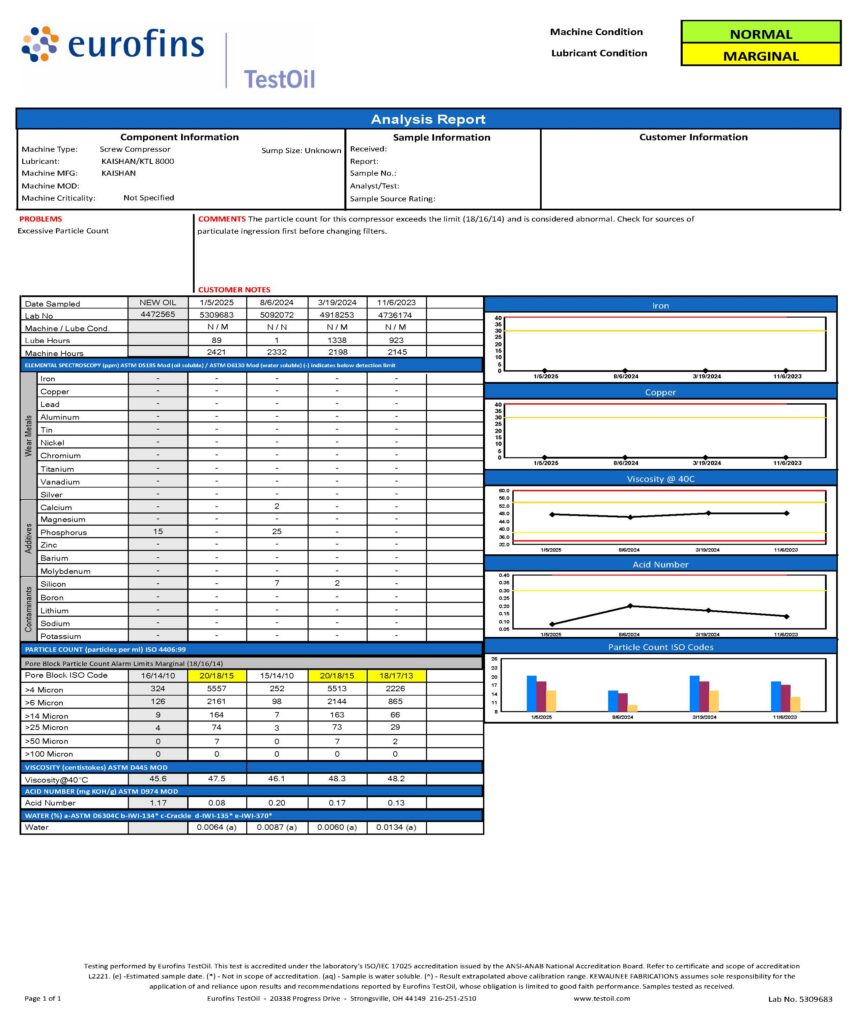
For instance, industrial compressors have been documented reaching over 80,000 operating hours on their original airends, provided that the lubrication strategy remained consistent. Conversely, machines in identical environments have failed at 20,000 hours due to the introduction of contaminants or the use of incorrect fluid.
The economic implication is clear: the cost of a comprehensive lubrication program—including regular sampling, high-quality fluids, and staff training—is negligible compared to the cost of a single major overhaul or a multi-day production shutdown.
Official Industry Stance
Leading original equipment manufacturers (OEMs) and lubrication specialists consistently emphasize that "Lubrication is a reliability strategy, not a maintenance task." The consensus among industry leaders is that modern maintenance must transition from reactive to proactive.
According to technical bulletins from major manufacturers, the "Right Lubricant, Right Amount, Right Interval, No Contamination" framework is the absolute minimum requirement for modern facility management. Experts suggest that if a facility is not performing oil analysis, they are essentially "flying blind," relying on hope rather than data to prevent mechanical catastrophe.
Strategic Implications for Modern Industry
The transition to a reliability-centered lubrication model has profound implications for plant operations:
- Production Continuity: By treating the lubricant as a diagnostic tool, teams can identify failures months in advance, allowing for repairs to be scheduled during planned downtime rather than during peak production hours.
- Asset Lifecycle Extension: Proper lubrication protocols directly extend the MTBF (Mean Time Between Failures) of rotating assets, deferring capital expenditures for new machinery.
- Energy Efficiency: Optimized lubrication reduces the internal friction of rotating equipment, resulting in lower power consumption—a key metric for facilities looking to reduce their carbon footprint and operational costs.
Conclusion: Listening to the Oil
The most successful maintenance teams are those that "listen" to their lubricants. The oil tells a story of the machine’s life: the heat it has endured, the contaminants it has fought off, and the physical wear it has sustained. When maintenance teams treat lubrication with the technical rigor it demands, they move from being "fixers" to "guardians of reliability."
As industry trends move toward Industry 4.0 and increased automation, the importance of lubrication will only grow. A machine that cannot be lubricated correctly cannot be managed efficiently. By rejecting the "worst practices" and embracing a data-driven, proactive approach, organizations can ensure that their rotating equipment remains a reliable engine for profit rather than a liability waiting to happen.
Ultimately, lubrication is not about the oil; it is about protecting the assets that drive the business. When the film is maintained, the equipment runs. When it is neglected, the failure is already underway. The choice is a matter of strategy, not luck.