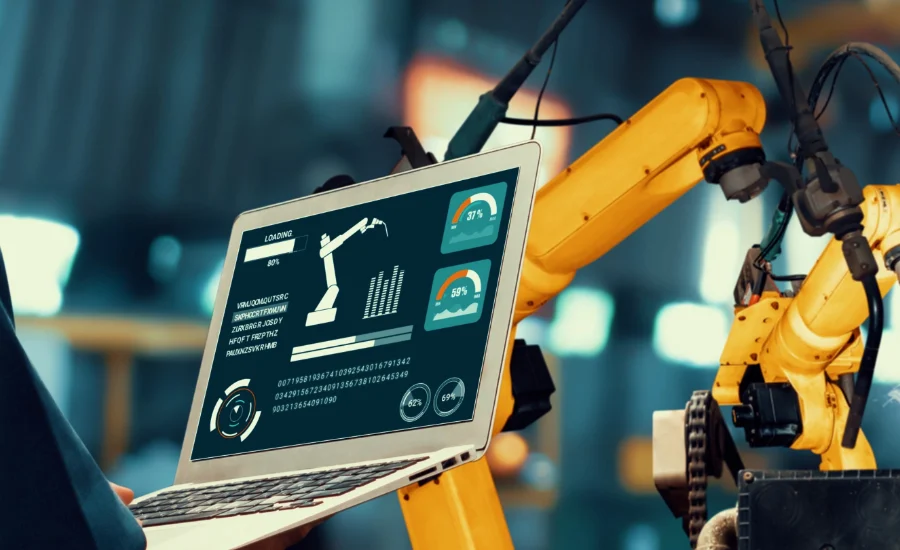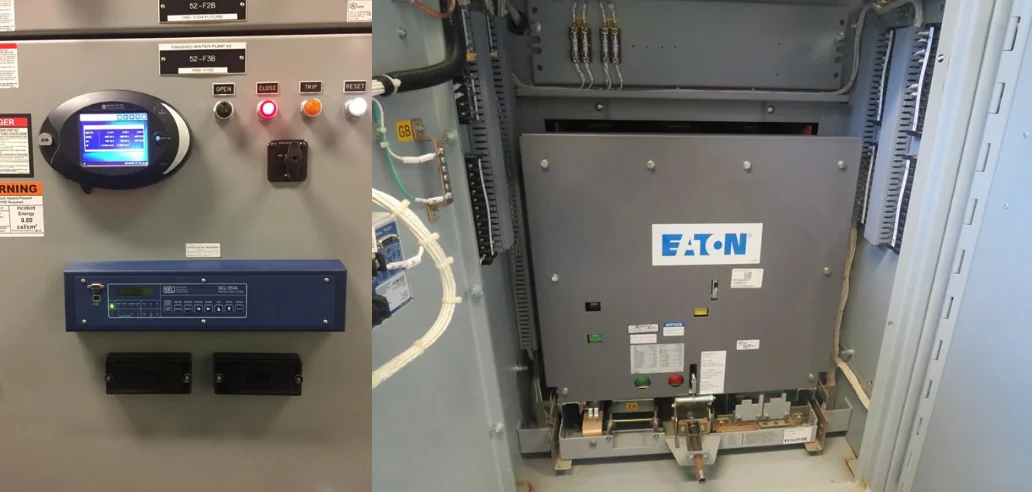
In the complex tapestry of modern infrastructure, electrical power serves as the lifeblood of society. From the micro-electronics in a handheld device to the massive utility grids powering industrial manufacturing hubs, electricity is constant and pervasive. Yet, this power is inherently volatile. Beneath the surface of our daily lives, a silent, sophisticated layer of technology works incessantly to manage the unseen dangers of electrical flow. Circuit protection devices—the unsung guardians of the grid—are the critical components that ensure modern electrical systems remain safe, resilient, and reliable.
Main Facts: The Anatomy of Electrical Risk
To grasp the necessity of circuit protection, one must first view electricity through the lens of fluid dynamics. Electrical current behaves much like water in a pipe: current represents the flow rate, voltage serves as the pressure, and resistance acts as the friction within the pipe. When these variables fall out of balance, the system enters a state of instability.
The primary threats to electrical systems are characterized by abnormal current or voltage behaviors:
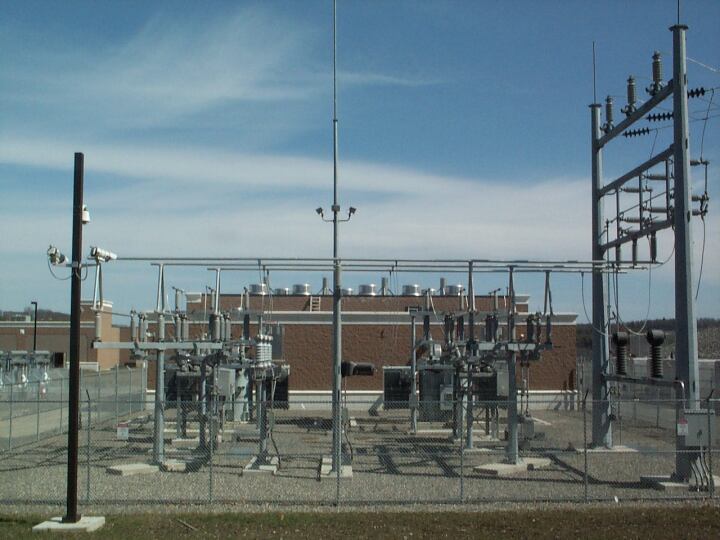
- Overloads: This occurs when a circuit is forced to carry a load exceeding its designed capacity for an extended duration. Often triggered by the "daisy-chaining" of too many appliances, the resulting heat gradually degrades insulation, turning wiring into a slow-motion fire hazard.
- Short Circuits: Representing a catastrophic failure, a short circuit occurs when a low-resistance path—such as frayed wiring or a metallic bridge—connects two conductors. This causes current to surge to explosive levels in milliseconds, resulting in violent arcing and immediate thermal destruction.
- Ground Faults: These occur when current deviates from its intended path and flows to the earth, often through a human body or a metal enclosure. Without intervention, these faults are frequently fatal.
- Overvoltage: Often caused by lightning strikes or grid switching, these pressure spikes can instantaneously fry sensitive microprocessors, rendering high-end machinery useless.
Chronology of Protection: From Sacrificial Links to Smart Relays
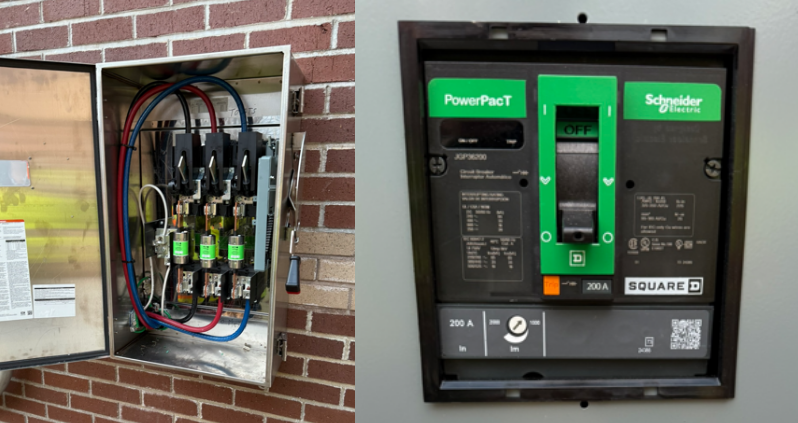
The evolution of circuit protection reflects the broader history of industrialization. In the early days of electrification, protection was rudimentary. The "sacrificial" fuse, a simple wire calibrated to melt at specific temperatures, provided the first defense against fire. As electrical systems grew in complexity throughout the 20th century, the need for resettable, electromechanical solutions led to the birth of the circuit breaker.
The transition from purely mechanical breakers to digital, intelligent systems marks the current era. Today, the industry has moved toward "layered" protection. In a modern industrial facility, a tiered approach is employed:
- Level 1 (Service Entrance): Surge Protection Devices (SPDs) catch high-energy transients.
- Level 2 (Distribution Panels): Molded-case circuit breakers manage branch circuit loads.
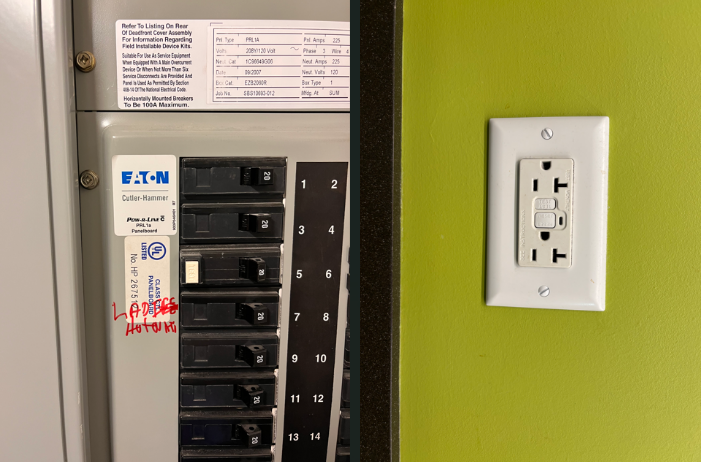
- Level 3 (Point of Use): Arc Fault Circuit Interrupters (AFCIs) and Ground Fault Circuit Interrupters (GFCIs) provide micro-second detection to protect human life.
Supporting Data: The Cost of Inaction
Data from fire safety and electrical engineering associations consistently underscores the return on investment for robust protection. Industry analysis indicates that electrical failures remain a top-five cause of commercial fires globally. In large-scale industrial settings, the financial implications of a single, unprotected fault can be staggering.
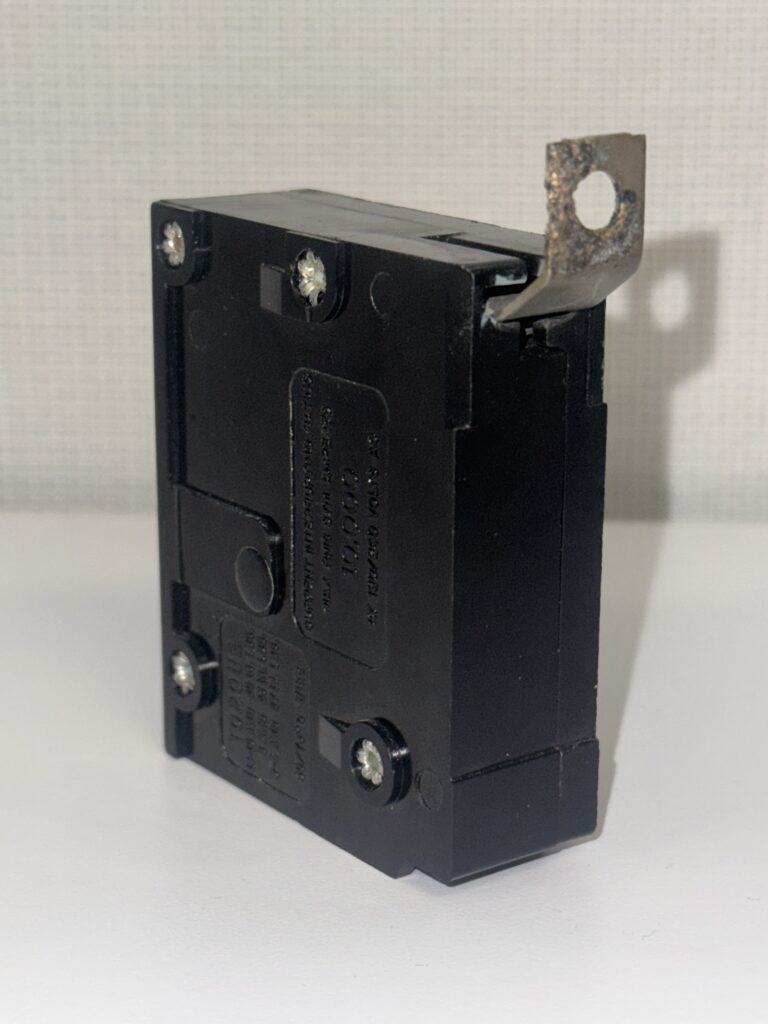
A momentary short circuit in an unprotected, high-voltage switchgear environment can lead to downtime costs exceeding $50,000 per hour. When factoring in equipment replacement, lost production, and the potential for life-safety liabilities, the cost of installing advanced protection—which typically represents less than 2% of total project expenditure—is statistically negligible compared to the risk of failure.
Official Perspectives and Industry Standards
Regulatory bodies, such as the National Fire Protection Association (NFPA) and the International Electrotechnical Commission (IEC), have shifted their focus toward "selective coordination." This engineering philosophy mandates that protective devices must be configured to isolate only the faulted portion of a circuit.
"The goal is surgical precision," notes one lead systems architect in a recent industry forum. "In a modern smart grid, we cannot afford a ‘cascade’ effect where a failure in one department triggers a facility-wide blackout. We need the breaker nearest to the fault to trip, leaving the rest of the facility fully operational."
This shift has elevated the role of the Protective Relay. Often described as the "brain" of the electrical system, modern digital relays now provide event logging, remote telemetry, and fault-location analytics. These devices allow facility managers to move from reactive maintenance to proactive, data-driven reliability.
Implications for Future Infrastructure
The integration of the "Smart Grid" is arguably the most significant development in the sector. As utility grids incorporate decentralized energy sources—such as solar arrays and battery storage—the traditional "one-way" flow of power has become multi-directional. This complexity requires protection devices that can "think" and communicate.
H3: Self-Healing Grids
The future of electrical safety lies in self-healing technology. Through the use of advanced sensors and automated reclosers, modern systems can now detect a transient fault—such as a tree limb momentarily touching a power line—and isolate it within a few milliseconds, automatically restoring power before the customer even notices a flicker. This level of resilience is essential as we transition toward a climate-impacted world where severe weather events are becoming more frequent.
H3: The Sustainability Factor
Beyond safety, protection devices are now critical for energy efficiency. By managing voltage surges and preventing leakage currents (ground faults), advanced protection technology reduces wasted energy. This, in turn, extends the lifespan of transformers and switchgear, reducing the need for premature equipment replacement and lowering the carbon footprint of industrial facilities.
Conclusion: The Foundation of a Power-Dependent Future
The reliability of our power-dependent future is inextricably linked to the robustness of our circuit protection. As electrical systems evolve to become more automated, decentralized, and essential, the role of these "unsung guardians" will only grow in importance.
From the simple fuse that protected a Victorian lightbulb to the digital relay governing a multi-megawatt industrial substation, the objective remains unchanged: to control the immense power of electricity so that it serves humanity rather than destroys it. By embracing layered, intelligent, and coordinated protection strategies, engineers and facility operators are building more than just circuits; they are building the resilient foundation of a modern, electrified society. As we look toward the horizon, the marriage of traditional protective hardware with AI-driven diagnostics will ensure that the power stays on, the equipment stays protected, and, most importantly, the people remain safe.