By HVAC Industry Insights
Published: Winter Maintenance Series
Discovering that your home heating system has stopped working is a stressful experience, particularly during the grueling depths of winter. When freezing temperatures settle over regions like Northeast Ohio—putting extreme demands on furnaces and heat pumps—a sudden drop in indoor temperature demands immediate attention.
While some minor heating malfunctions can be safely diagnosed and resolved by homeowners, others require specialized knowledge and tools. Understanding the root causes behind a malfunctioning heater—ranging from simple thermostat misconfigurations to complex electrical and mechanical failures—is the first step toward restoring comfort and safety to your home.
1. Main Facts: The Anatomy of a Heating Failure
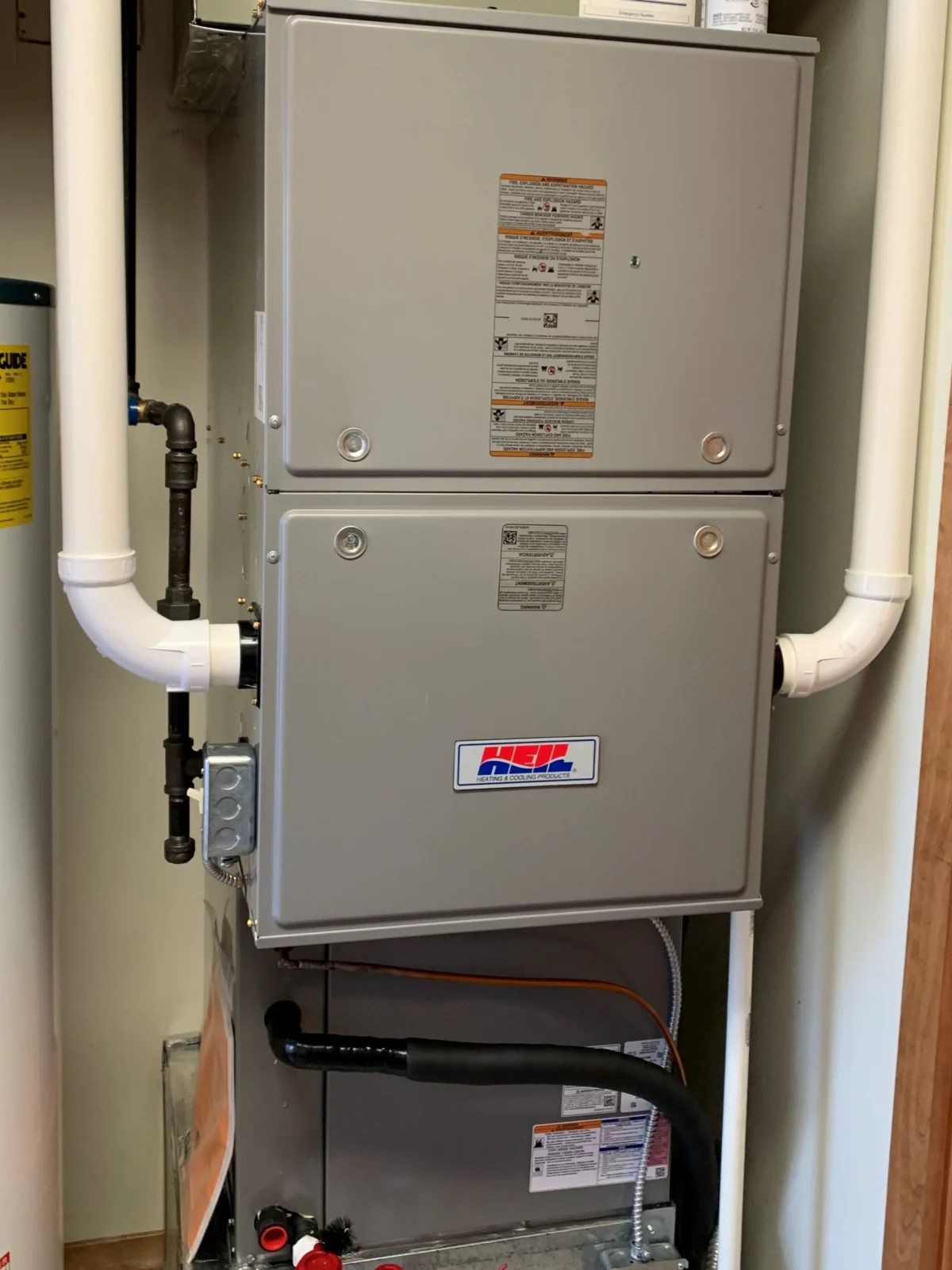
When a residential heating system fails, the symptoms can vary wildly, from a complete lack of power to strange noises or odors. HVAC experts categorize heating malfunctions into several core mechanical, electrical, and operational failures:
- Thermostat Disconnects: Communication breakdowns between the control panel and the heating unit can prevent the system from registering correct temperatures or firing up altogether.
- Power Interruptions: Tripped breakers, blown fuses, or severed electrical connections will instantly halt a heater’s operation.
- Ignition and Pilot Failures: Gas-powered systems rely heavily on consistent pilot lights or electronic igniters; drafts, clogs, or faulty thermocouples frequently interrupt this process.
- Restricted Airflow: Clogged or dirty air filters force systems to work harder, causing uneven heating, weak airflow, or automated shutdowns due to overheating.
- Blower Motor Malfunctions: Worn bearings, bad capacitors, or electrical faults can freeze the fan mechanism responsible for pushing warm air through the ductwork.
- Fuel Supply Interruptions: Empty oil tanks, closed gas valves, or obstructed fuel lines will starve the burner of necessary combustible materials.
- Ductwork Compromises: Leaks, holes, or disconnected sections allow heated air to escape before it ever reaches your living spaces.
2. Chronology: The Lifecycle of a Heater Breakdown and Troubleshooting Timeline
To effectively manage a heating emergency, homeowners should follow a structured chronology of troubleshooting, starting from the simplest, safest checks and progressing toward professional intervention.
Phase 1: Immediate Observation (Minutes 0–15)
When the heater fails, note the exact symptoms. Is the house completely cold, or are certain rooms receiving heat while others are not? Listen for unusual clicks, hums, or the total absence of fan noise. Check the thermostat display to see if it is responsive or blank.
Phase 2: Safe Homeowner Diagnostics (Minutes 15–45)
Before calling for emergency service, homeowners can perform several safe, foundational checks:
- Inspect the Thermostat: Verify that the system is set to "Heat," the temperature is set above current room levels, and replace the batteries if the screen is blank.
- Examine the Air Filter: Locate the filter. If it is caked in dust and debris, slide it out and replace it immediately to restore airflow.
- Check the Breaker Box: Look for a tripped circuit breaker labeled for the furnace or HVAC system. Reset it once if it has tripped.
- Confirm Fuel Levels: Ensure that oil tanks have sufficient fuel and that manual gas or oil shutoff valves have not been accidentally bumped or closed.
Phase 3: Recognizing the Limit of DIY (Hour 1+)
If basic troubleshooting fails to yield results—or if you encounter persistent breaker trips, gas odors, or complex mechanical failures—the timeline shifts to professional intervention. Continuing to tamper with gas lines, electrical wiring, or high-voltage components without certification introduces severe safety hazards, including carbon monoxide leaks, electrical fires, and catastrophic equipment damage.
3. Supporting Data & Technical Insights
Heating system data collected by HVAC service providers across the Midwest highlights clear patterns in seasonal breakdowns. Understanding these data points helps homeowners anticipate maintenance needs and avoid emergency repair calls.

Common Failure Rates by Component
- Air Filters and Airflow Restrictions (~35% of service calls): Because Northeast Ohio heating systems run for extended, consecutive stretches during winter months, restricted airflow from neglected filters is the leading cause of premature system shutdowns. Extended heating cycles strain the heat exchanger, often triggering high-limit switches that shut the system down to prevent fire.
- Ignition and Flame Sensor Issues (~25% of service calls): Dust, soot, and oxidation naturally accumulate on flame sensors and pilot assemblies over time. A dirty flame sensor fails to signal the gas valve that a proper flame has ignited, causing the furnace to cycle on for a few seconds before shutting down repeatedly.
- Electrical and Blower Motor Failures (~20% of service calls): Blower motors operate under heavy static pressure. Capacitors—which give the motor the electrical jolt it needs to spin—frequently fail due to extreme temperature fluctuations in unconditioned spaces like attics or garages.
- Thermostat and Miscellaneous Issues (~20% of service calls): Ranging from uncalibrated internal sensors to loose low-voltage wiring.
The Phenomenon of the "First-Run Burning Smell"
A well-documented seasonal occurrence is the distinct burning odor that emerges the very first time a home heater is activated in the autumn.
- The Cause: Throughout the warmer months, microscopic dust particles settle on the heat exchangers, burners, and within the ductwork. When the heating elements fire up for the first time, this accumulated dust burns off, producing a temporary smell.
- The Threshold: This odor should naturally dissipate within 10 to 15 minutes.
- The Warning Sign: If the smell persists, intensifies, or takes on a sharp, chemical, plastic, or electrical burning scent, it indicates a critical malfunction—such as overheating components, severe dust blockages near electrical wiring, or a failing blower motor. In these instances, the system must be shut down immediately.
4. Official Responses and Industry Standards
Heating professionals, code enforcement agencies, and HVAC manufacturers stress strict adherence to safety protocols when dealing with residential heating equipment.
According to guidelines from major heating manufacturers and safety councils:
- Gas Safety Compliance: Any intervention involving gas valves, natural gas lines, or propane connections must comply with local fuel-gas codes. Homeowners should never attempt to repair or bypass safety shutoff valves.
- Electrical Standards: Furnaces and heat pumps operate on dedicated circuits carrying high voltage. The National Electrical Code (NEC) mandates proper disconnect switches near the unit for emergency servicing. Tampering with internal control boards or wiring voids manufacturer warranties and risks electrocution.
- Professional Certification: Certified HVAC technicians undergo rigorous training (such as NATE certification—North American Technician Excellence) to safely handle combustion analysis, refrigerant management, and electrical troubleshooting. Relying on certified professionals ensures that heating units operate at peak efficiency while adhering to health and safety codes.
5. Implications: Why Prompt Action Matters
Ignoring a malfunctioning heating system or attempting unauthorized repairs carries severe implications for property owners, both in terms of physical safety and financial expense.
Health and Safety Hazards
- Carbon Monoxide (CO) Poisoning: Cracked heat exchangers, improper combustion, or venting failures in gas and oil heaters can leak colorless, odorless carbon monoxide into the living space. CO poisoning causes flu-like symptoms, neurological damage, and can be fatal.
- Fire Risks: Electrical shorts, repeatedly tripping breakers, overheated blower motors, and neglected lint or dust build-up near open flames present severe fire hazards during freezing weather.
Financial and Comfort Implications
- Escalating Repair Costs: A small, manageable issue—such as a failing capacitor or a dirty flame sensor—can cascade into a total system failure if left unaddressed. For instance, a struggling blower motor forced to pull against a completely clogged filter will eventually burn out completely, turning a minor filter replacement into an expensive motor overhaul.
- Loss of Structural Integrity: When a home loses heat entirely during sub-freezing weather, interior plumbing pipes are at immediate risk of freezing and bursting, leading to catastrophic water damage throughout the structure.
- Energy Inefficiency: Systems suffering from restricted airflow, leaky ductwork, or uncalibrated thermostats must work exponentially harder to maintain desired indoor temperatures, resulting in sharply inflated utility bills.
What to Do If Your Heater Remains Non-Functional
If you have completed safe, basic troubleshooting steps—such as checking the thermostat settings, replacing a dirty filter, and resetting a single tripped circuit breaker—and your home still lacks heat, it is time to contact a licensed professional.
Imagine returning home on a freezing evening after battling a cold winter breeze near Avon Lake, only to step into a ice-cold house because your heating system refused to cooperate. Rather than spending hours or days exposing your household to freezing temperatures while attempting high-risk DIY repairs on complex electrical, ignition, or mechanical components, partnering with an experienced HVAC team is the wisest choice.
Comprehensive Heating Services in North Ridgeville and Surrounding Areas
When you need reliable, prompt heating services in North Ridgeville, Avon Lake, and the greater Northeast Ohio region, our dedicated team is committed to keeping your home warm, safe, and comfortable through every seasonal shift.
Whether you require emergency furnace repairs, preventative seasonal maintenance, or a complete high-efficiency heating system installation, Climate-Tech delivers expertise, reliability, and peace of mind to every job.
Don’t let a heating breakdown leave your family in the cold. Contact Climate-Tech today for expert diagnostics, professional repairs, and comprehensive HVAC solutions tailored to your home.