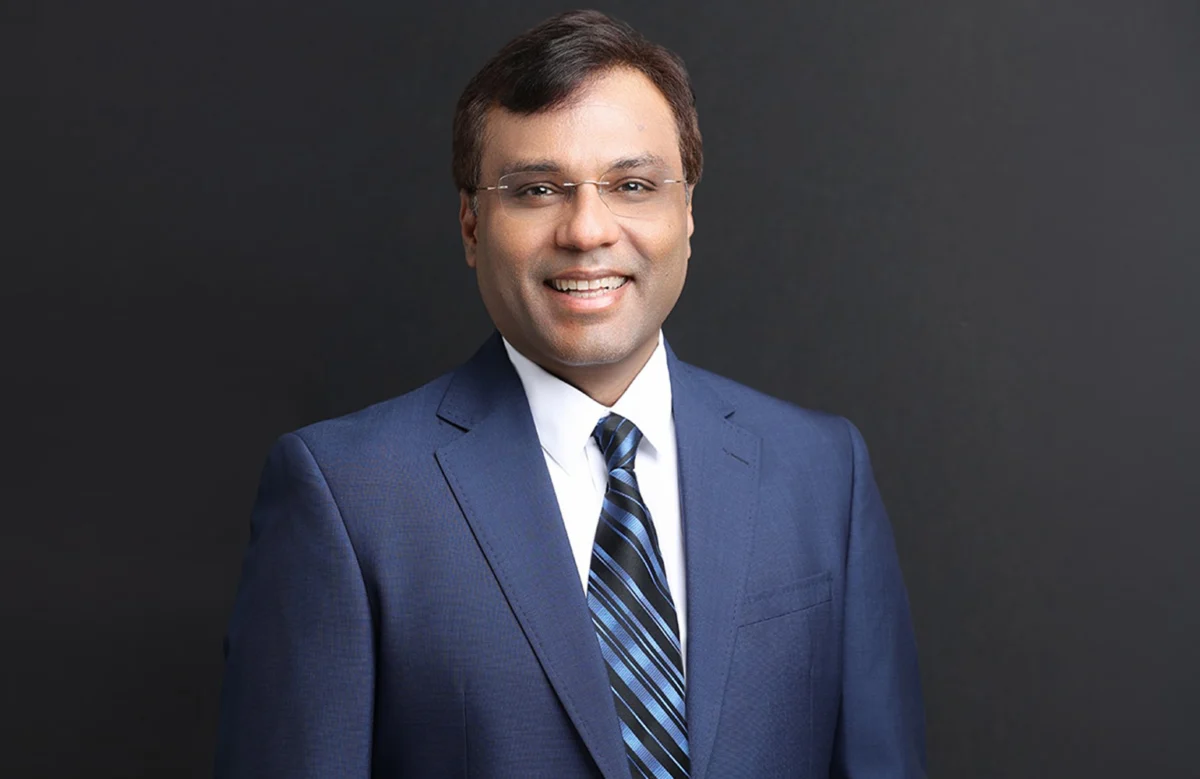
CAMBRIDGE, Mass. — In a high-stakes leadership transition that signals a profound strategic pivot for the pioneering robotics titan, Boston Dynamics has officially named Rohit Prasad as its new Chief Executive Officer. Effective tomorrow, Prasad steps into the role, succeeding Chief Financial Officer Amanda McMaster, who has skillfully steered the company as interim CEO since February.
Prasad’s appointment concludes a nearly nine-month search following the departure of former CEO Robert Playter, who stepped down earlier this year. Prasad arrives at Boston Dynamics after a stellar 12-year tenure at Amazon, where he served as Senior Vice President and Head Scientist for Alexa and Artificial General Intelligence (AGI).
Industry analysts view the leadership shakeup as a watershed moment not only for Boston Dynamics, but for the entire commercial robotics sector. By bringing in a recognized heavyweight in machine learning and consumer-scale AI, Boston Dynamics is signaling that its hardware prowess is now ready to be fused inextricably with advanced cognitive software. The overarching objective: commercialize intelligent, autonomous machines at a global, industrial scale.
1. Main Facts: The Leadership Transition and Strategic Pivot
The appointment of Rohit Prasad marks a generational shift for Boston Dynamics, positioning the company to aggressively accelerate its "physical AI" strategy. For decades, the Waltham, Massachusetts-based firm has dazzled the world with biomechanically stunning hardware—from the gravity-defying maneuvers of the hydraulic Atlas humanoid to the agile quadrupedal utility of Spot. However, the modern commercial landscape demands more than mechanical mastery; it requires robots that can reason, adapt, and autonomously execute complex workflows in unstructured human environments.
Prasad is only the third Chief Executive Officer in Boston Dynamics’ storied 34-year history. The company was founded in 1992 as a spin-off from the Massachusetts Institute of Technology (MIT) by Marc Raibert, who served as CEO until 2020. Raibert was succeeded by Robert Playter, under whose leadership the company navigated its acquisition by Hyundai Motor Group and the commercialization of both Spot and the logistics robot, Stretch.
With Prasad at the helm, the leadership mantle passes from traditional robotics engineers and operations veterans to a seasoned software and AI architect. According to corporate statements, Prasad is expected to join the company’s Board of Directors, subject to final regulatory approvals. His primary mandate will be to bridge the gap between cutting-edge AI foundation models and real-world electromechanical execution.
2. Chronology of Events: From Foundation to the Prasad Era
To understand the magnitude of this executive appointment, it is vital to contextualize the timeline of Boston Dynamics’ corporate evolution, leadership milestones, and technological rollouts:
- 1992: Marc Raibert founds Boston Dynamics as an MIT spin-off, focusing on dynamic legged systems and human simulation for the U.S. military and research institutions.
- December 2020: SoftBank Group, which had acquired Boston Dynamics from Google/Alphabet in 2017, reaches an agreement to sell a controlling stake in the robotics firm to Hyundai Motor Group in a deal valuing the company at $1.1 billion.
- 2020: Founder Marc Raibert steps down as CEO, handing the reins to long-time company executive Robert Playter.
- June 2021: Hyundai Motor Group officially completes its acquisition of a controlling stake in Boston Dynamics, injecting massive automotive manufacturing, supply chain, and global logistics infrastructure into the robotics pioneer’s ecosystem.
- February 2026: Robert Playter steps down from his role as CEO after nearly six years at the helm. Chief Financial Officer Amanda McMaster assumes the responsibilities of interim CEO, maintaining operational continuity during the executive search.
- October 2026 (Mid-Month): Boston Dynamics unveils major technological advancements, including a four-fingered humanoid hand for the Atlas platform designed for sim-to-real reinforcement learning, and opens the Robotics Metaplant Application Center (RMAC) at Hyundai’s Georgia facility.
- Today: Boston Dynamics officially appoints Rohit Prasad as its third CEO in history, effective tomorrow, signaling an aggressive push into enterprise-grade physical AI.
3. Supporting Data: Prasad’s Background and Boston Dynamics’ Current Ecosystem
Prasad’s professional pedigree makes him uniquely suited to drive the marriage of robotics and cognitive AI. Prior to his transformative 12-year run at Amazon—where he scaled Alexa from an embryonic concept into a household utility used by hundreds of millions of people worldwide, and later spearheaded the enterprise-focused Amazon Nova foundation model family—Prasad spent nearly 14 years at Raytheon BBN Technologies. At BBN, he led advanced machine-learning research and directed the practical application of AI technologies for both U.S. government defense initiatives and commercial sectors.
This deep-rooted expertise in automatic speech recognition, natural language understanding, and large-scale machine learning aligns directly with Boston Dynamics’ expanding technological roadmap.
The company’s current ecosystem is more robust and diversified than at any point in its history:
- Atlas: The next-generation electric humanoid platform recently received a new four-fingered hand (deliberately omitting a pinky finger) optimized for high-fidelity simulation, enabling rapid sim-to-real reinforcement learning (RL) workflows.
- Spot 5.2: The latest iteration of the iconic quadrupedal inspection robot introduces agentic workflows that enable the machine to reason across disparate enterprise systems. Furthermore, Orbit AIVI, powered by Google Gemini, dramatically expands Spot’s autonomous inspection capabilities.
- Stretch: A dedicated, automated trailer-unloading robot designed to solve critical bottlenecks in supply chain and logistics hubs.
- Infrastructure Expansion: Boston Dynamics is currently executing a $100 million capital expenditure plan to expand its footprint in Waltham, Massachusetts, adding a sprawling 323,000-square-foot facility to accommodate its growing workforce.
- RMAC Integration: The newly opened Robotics Metaplant Application Center (RMAC) at the Hyundai Motor Group Metaplant America facility in Georgia serves as a live proving ground, training Atlas humanoids for high-precision automotive manufacturing tasks.
4. Official Responses and Industry Reactions
The announcement has sent ripples of excitement throughout the global technology and manufacturing sectors, drawing enthusiastic endorsements from corporate leadership.
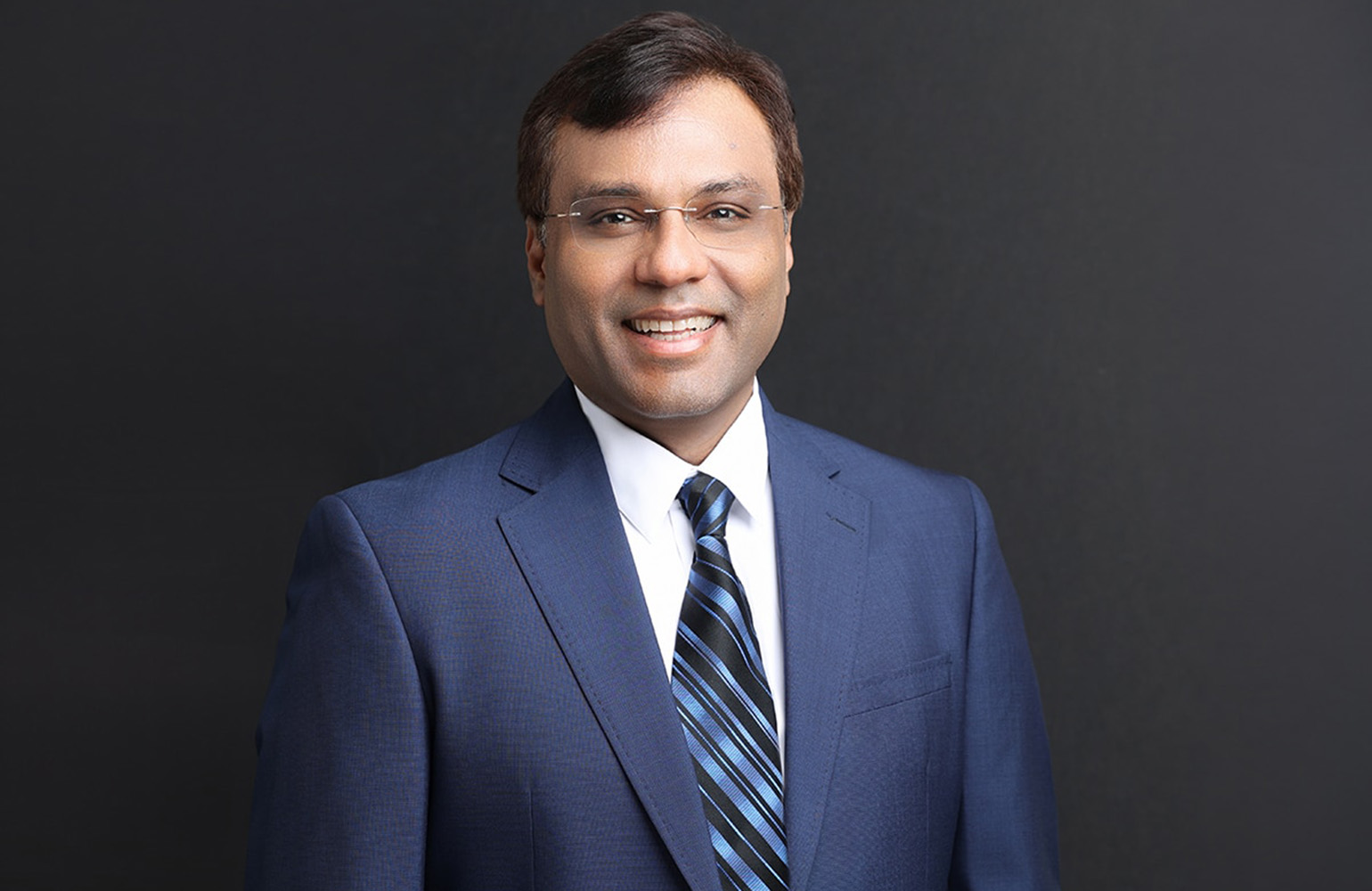
"Boston Dynamics is uniquely positioned to advance physical AI through its world-class robotics expertise," Rohit Prasad remarked upon his appointment. "I am honored to join the company at such a pivotal moment for the industry. By bringing together advanced AI and robotics, we can build intelligent systems that create meaningful value in real-world environments, expand the reach of robotics across industries, and shape the next era of physical AI."
Prasad emphasized that his immediate strategic focus will be the rapid productization of intelligent robotic systems designed to drastically improve safety, productivity, and operational efficiency across demanding industrial, warehousing, and commercial landscapes.
Jaehoon Chang, Vice Chair of Hyundai Motor Group and Chair of the Board of Directors at Boston Dynamics, underscored the immense synergy created by the new leadership alignment.
"Boston Dynamics’ industry-leading robotics, Rohit’s proven ability to turn AI into products at global scale, and Hyundai Motor Group’s modern manufacturing, logistics, and mobility capabilities give us a powerful foundation to build and scale physical AI," Chang stated. "We are thrilled to welcome Rohit to lead the company into this exciting new era of real-world physical AI."
5. Strategic Implications: What Prasad’s Appointment Means for the Future of Robotics
The transition of Boston Dynamics from a hardware-centric engineering powerhouse into an AI-first commercial enterprise carries massive implications for the broader automation landscape. For years, critics of advanced robotics have pointed out the "demo-to-deployment" gap—the chasm between a robot performing stunning, pre-programmed backflips in a controlled laboratory setting and its ability to reliably sort packages, inspect hazardous industrial plants, or assemble automobiles in dynamic, unpredictable real-world environments.
By placing a visionary AI scientist at the helm who successfully oversaw the deployment of consumer AI to hundreds of millions of users, Boston Dynamics is signaling that it views the software stack as the primary catalyst for commercial scale.
The Convergence of Foundation Models and Embodied AI
Just as large language models (LLMs) and foundation models transformed digital interaction, the holy grail of robotics is the "foundation model for embodiment"—a universal AI architecture that allows robots to understand physical physics, semantic intent, and multi-step reasoning. Prasad’s experience with Amazon’s Nova foundation models and Alexa’s sprawling cloud infrastructure positions him to oversee the development of scalable cognitive architectures for Boston Dynamics’ entire hardware portfolio.
The Hyundai Super-System
Through its parent company, Hyundai Motor Group, Boston Dynamics enjoys an unfair competitive advantage over pure-play robotics startups: an immediate, trillion-dollar testing ground. With facilities like the Georgia RMAC metaplant, Hyundai can continuously ingest real-world data from automotive assembly lines, feeding telemetry directly into Boston Dynamics’ training pipelines. This closed-loop ecosystem of manufacturing, logistics, and mobility will accelerate the deployment of Atlas and Spot at an unprecedented velocity.
Redefining Labor and Reshoring
As labor shortages plague manufacturing and logistics sectors globally, intelligent physical AI is increasingly viewed as an economic necessity rather than a technological novelty. This topic will take center stage at upcoming industry forums; notably, Brendan Schulman, Vice President of Policy and Government Relations at Boston Dynamics, is scheduled to participate in a high-profile panel discussion titled "Reshoring With Robots: A Policy Discussion" at RoboBusiness 2026, held on October 20–21 in Santa Clara, California.
As Rohit Prasad takes the reins tomorrow, Boston Dynamics stands at the precipice of its most ambitious chapter yet. The era of pure mechanical wonder has evolved; under Prasad’s leadership, the dawn of commercial, intelligent physical AI has officially arrived.