In a landmark development for India’s rapidly evolving renewable energy landscape, domestic solar manufacturing leader Premier Energies has announced a strategic joint venture (JV) with the Germany-based RCT Group. The partnership is set to establish a massive 12GWh battery energy storage system (BESS) manufacturing facility in the state of Telangana. This move represents a significant leap forward in India’s quest for energy sovereignty and industrial self-sufficiency, addressing the critical supply-chain gaps that have historically hampered the nation’s transition to green power.
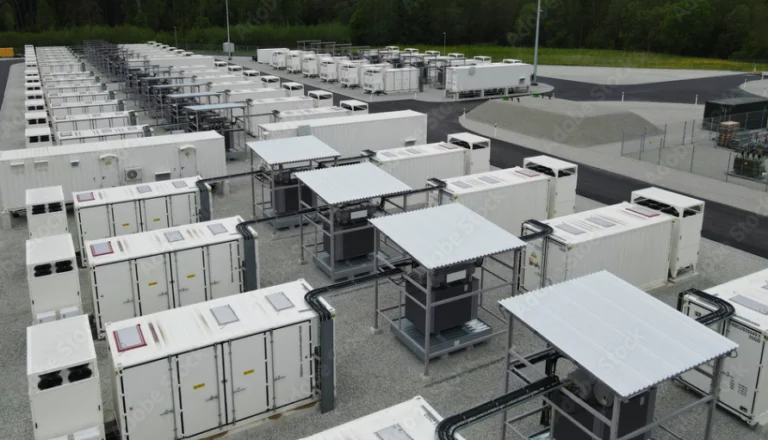
The venture, which will operate through Premier Energies’ subsidiary, Premier Battery Technologies, is designed to scale in phases. The initial deployment targets a capacity of 6GWh, providing an immediate boost to the domestic supply of storage solutions for commercial, industrial, and utility-scale applications.
The Core Partnership and Facility Scope
The collaboration combines Premier Energies’ deep-rooted understanding of the Indian solar market with the technical prowess of the German RCT Group. By pooling resources, the companies aim to create an integrated ecosystem that covers not only the assembly of battery packs but also the development of sophisticated storage solutions capable of stabilizing the grid.

The facility in Telangana is envisioned as more than just a domestic supplier; it is intended to function as an export-oriented hub. By positioning India as a manufacturing base for high-quality BESS technology, the partners plan to tap into the surging demand across international markets, effectively integrating India into the global battery supply chain.
Chronology of India’s Storage Ambitions
The announcement of the Telangana facility arrives at a pivotal juncture in India’s energy policy. The timeline of recent developments illustrates a clear, aggressive shift toward mandating energy storage:
- Mid-2024 to Early 2026: India’s renewable energy sector experiences a period of rapid capacity expansion, though it remains heavily reliant on imported battery cells, primarily from China.
- August 2026: Market analysts at Wood Mackenzie release a sobering report highlighting that India’s operational cell production capacity (2GWh) is insufficient to meet the demands of its massive 260GWh project pipeline.
- September 2026 (Early): The Central Electricity Authority (CEA) issues a transformative draft proposal mandating co-located energy storage for all new ground-mounted solar and onshore wind projects starting July 2027.
- September 2026 (Late): Premier Energies and RCT Group formalize their joint venture, directly responding to the regulatory signals and the clear market deficit identified by industry analysts.
Supporting Data: Bridging the Supply-Demand Gap
The economic rationale for the Premier Energies-RCT partnership is anchored in stark data. According to Wood Mackenzie, less than 1% of the demand in India’s 2026 project tender pipeline could be serviced by domestic production at the time of their assessment.

Furthermore, the Institute for Energy Economics and Financial Analysis (IEEFA) has repeatedly warned that India’s reliance on imported battery cells creates a "parallel dependency." As the country moves away from imported oil and gas to reduce its trade deficit and carbon footprint, the current over-reliance on international supply chains for storage could neutralize these benefits.
China currently possesses an annual battery cell production capacity over 1,000 times greater than India’s. This disparity highlights the urgency of the Telangana project. By localizing production, the JV aims to mitigate the volatility of global shipping and geopolitical trade restrictions, providing a more reliable pathway for India’s grid operators.
Official Perspectives: Aligning Policy with Industry
Chiranjeev Saluja, Managing Director of Premier Energies, emphasized that the investment is driven by national necessity. "Energy storage is the need of the hour for the Indian power system," Saluja stated. "As India expands its renewable energy generation capacity, energy storage will play a critical role in enabling a reliable, resilient, and sustainable power ecosystem."

The government’s stance, evidenced by the CEA’s recent draft policy, aligns with the industry’s trajectory. The CEA has proposed that by July 2027, new projects must include storage equivalent to at least 10% of their total capacity. By 2029, this requirement is expected to evolve, with duration mandates increasing from two to four hours. This regulatory "floor" provides the long-term visibility required for companies like Premier Energies to commit to large-scale, multi-phase capital investments.
Strategic Implications for the Energy Transition
The development of the 12GWh facility holds profound implications for the Indian energy sector:
1. Grid Stability and Curtailment Reduction
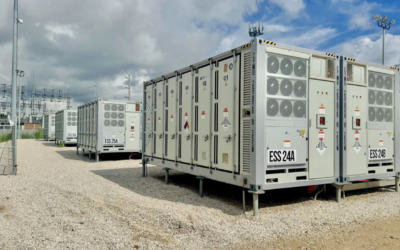
One of the greatest challenges for Indian distribution companies (DISCOMs) is the intermittent nature of solar and wind power. Large-scale BESS capacity allows for "energy shifting"—storing excess solar generation during peak daylight hours and releasing it during evening demand surges. This reduces the risk of grid instability and minimizes the economic waste caused by renewable energy curtailment.

2. Economic Resilience and "Make in India"
The project serves as a cornerstone for the "Make in India" initiative within the high-tech energy sector. By focusing on domestic manufacturing, the venture will create high-skilled jobs in Telangana, foster a local vendor ecosystem for components, and reduce the outflow of foreign exchange currently spent on battery imports.
3. Global Competitive Positioning
By targeting the export market, the JV positions India as a competitive alternative in the global supply chain. As Western markets look to diversify their battery sourcing away from single-country dominance, the Indian facility could become a preferred partner for international developers seeking high-quality, reliable, and geographically diverse storage solutions.
4. Downstream vs. Upstream Focus
While the industry recognizes that cell production at scale is still in its infancy in India, the current focus on downstream component manufacturing—such as battery management systems (BMS), thermal management, and containerized assembly—is a pragmatic first step. Analysts believe that this "bottom-up" approach to building a value chain will eventually provide the necessary scale to support full-cycle cell manufacturing in the coming decade.
The Path Forward: Challenges and Opportunities
Despite the optimism surrounding the Premier Energies-RCT venture, the path to 12GWh is not without hurdles. The cost of raw materials, such as lithium and cobalt, remains susceptible to global market fluctuations. Additionally, the rapid evolution of battery chemistries—moving from LFP (Lithium Iron Phosphate) to potentially sodium-ion or solid-state batteries—requires the joint venture to maintain a high degree of technological flexibility.
However, the regulatory environment is more supportive than it has ever been. With the upcoming Renewable Energy India (REI) Expo and the Energy Storage Summit India (ESS India) scheduled for October 2026 in Greater Noida, the industry will have a platform to further refine these strategies. The convergence of government mandates, increased private sector investment, and a clear national strategy for energy independence suggests that the Telangana facility is likely the first of many such gigafactories to emerge in the subcontinent.
Conclusion
The partnership between Premier Energies and the RCT Group is a watershed moment for the Indian energy transition. By proactively addressing the supply chain bottleneck, the JV is not only positioning itself to capture a significant share of the domestic market but is also setting a precedent for how India can leverage international technical expertise to fuel its own industrial growth. As the nation prepares for the mandatory storage requirements set to take effect in 2027, the 12GWh facility stands as a beacon of progress—a critical piece of the infrastructure puzzle required to build a 24/7, carbon-neutral, and resilient Indian power grid.
The transition from a passive consumer of global battery technology to an active manufacturer and exporter is a complex undertaking, but with projects of this scale and ambition, India is firmly signaling its readiness to compete on the global stage.