By Global Energy & Infrastructure Desk
Updated: November 2026
Main Facts
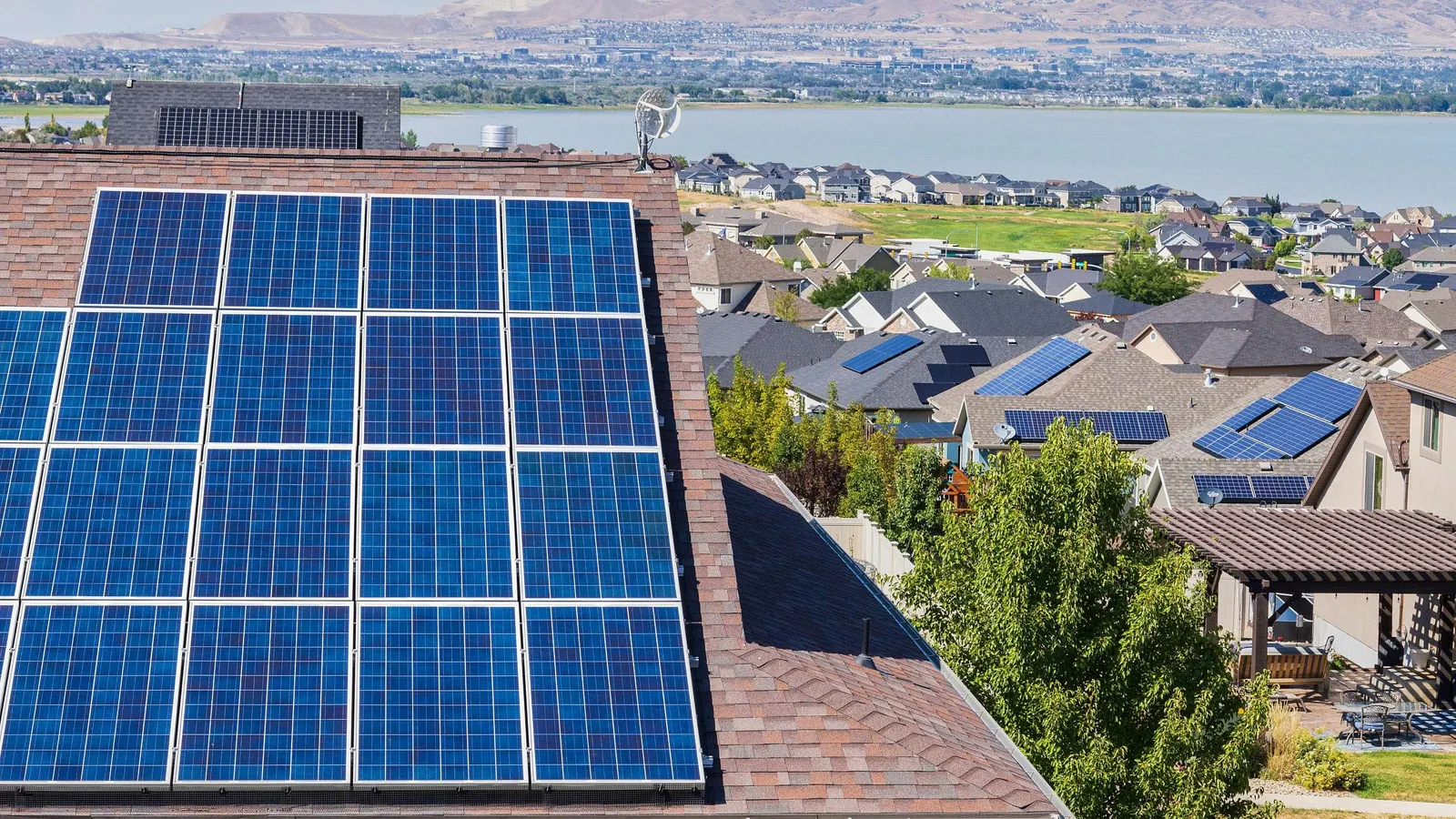
The United States energy grid stands at a profound crossroads. Even as aggregated residential distributed energy resources (DERs)—such as rooftop solar panels, home battery storage systems, electric vehicles (EVs), heat pumps, and smart thermostats—have experienced unprecedented growth throughout the 2020s, energy sector analysts emphasize that the vast majority of this decentralized potential remains completely untapped.
According to projections from the U.S. Department of Energy (DOE), the nation possessed between 30 gigawatts (GW) and 60 GW of broadly defined virtual power plant (VPP) capacity as of 2023. More critically, the DOE estimates that this capacity could skyrocket to a staggering 80 GW to 160 GW by 2030, which would be sufficient to meet up to 20% of peak electricity demand across the country.
Yet, traditional utilities and independent power producers (IPPs) are concurrently moving in an opposing direction. Recent data compiled by environmental advocacy groups Environment America and the Frontier Group indicates that utilities plan to bring more than 60 GW of new, grid-connected gas-fired generation online by the end of the decade. This sets up a high-stakes infrastructural battle between centralized, high-carbon fossil fuel generation and decentralized, consumer-owned clean energy networks.
Enter modern VPP platforms like the "Everyday VPP" launched by Everyday Electric. Spearheaded by industry leaders like Brown, these platforms aim to unify disparate consumer technologies—turning smart thermostats, home batteries, and EVs into cohesive, responsive wholesale and distribution-level capacity. By bypassing the centralized generation model, which inherently carries "single point of failure" risks, these next-generation virtual utilities promise to drive down consumer costs, offset surging industrial loads driven by artificial intelligence (AI) data centers, and avert a costly, high-emission energy future.
Chronology of the VPP and Residential Clean Energy Boom
To understand how the American energy landscape arrived at this pivotal juncture, it is necessary to examine the rapid evolution of distributed technologies and policy frameworks over the past several years:
- Pre-2023 (The Fragmented Era): For years, residential demand response was defined by single-purpose, programmatic offerings. Utilities ran discrete, siloed initiatives—such as summer-only thermostat adjustments or rudimentary, opt-in EV overnight charging discounts. These programs suffered from low customer engagement, cumbersome compliance burdens, and limited technological interoperability.
- 2023 (The DOE Liftoff): The U.S. Department of Energy published its landmark VPP "Liftoff" report, officially recognizing virtual power plants as a viable, utility-scale resource. The report established that the U.S. already maintained 30 GW to 60 GW of VPP capacity and outlined a clear trajectory toward 160 GW by 2030.
- Late 2024 (Behavioral Convergence): Industry data tracking revealed a powerful behavioral trend: consumers who adopted smart thermostats proved to be more than three times more likely to purchase an electric vehicle than the general public. Furthermore, these households demonstrated a drastically elevated propensity to invest in home solar, energy storage, and heat pumps, laying the groundwork for "whole-home" electrification ecosystems.
- 2025 (The Storage Tipping Point): Driven by falling battery costs and escalating grid reliability concerns, stationary energy storage attachments to residential solar systems accelerated rapidly. By the second quarter of 2025, roughly 41% of all new residential solar installations in the United States featured integrated battery storage.
- 2026 (The AI Clash and the Rise of Integrated VPPs): Recent data from the American Clean Power Association released in mid-2026 revealed that stationary storage attachment rates for new residential solar systems climbed further to approximately 46%. Concurrently, nonprofit studies highlighted the clash between surging AI data center power demands and the simultaneous proposal of over 60 GW of new gas-fired power plants. In response, modern platforms like Everyday Electric rolled out advanced pay-for-performance VPP architectures designed to provide hyper-local dispatch and real-time load shaping without traditional marketing fees.
Supporting Data and Market Metrics
The financial and operational viability of residential VPPs is supported by an expanding body of empirical research, market forecasts, and technical data:
- 80 GW to 160 GW by 2030: The U.S. Department of Energy’s baseline projection for national VPP capacity by the end of the decade, capable of satisfying roughly one-fifth of peak American electricity demand.
- 100+ GW of Capacity via Hyperscalers: A widely cited study by electrification nonprofit Rewiring America found that tech hyperscalers could unlock more than 100 GW of U.S. grid capacity by 2029. Crucially, subsidizing rapid deployments of residential heat pumps and solar-plus-storage systems could completely offset the immense energy loads expected from artificial intelligence data centers coming online during the same period.
- 46% Storage Attachment Rate: According to the American Clean Power Association’s Q2 2026 data, nearly half of all newly installed residential solar systems across the U.S. now incorporate stationary battery storage, transforming passive solar roofs into dispatchable grid assets.
- 60 GW of Planned Gas Generation: Environmental groups Environment America and the Frontier Group reported that utilities and independent power producers plan to construct over 60 GW of new grid-connected gas-fired power plants by 2030, threatening to lock the grid into long-term carbon dependency.
- 8.1 Million Smart Thermostats Annually: Market research firm Parks Associates forecasts that annual unit sales of smart thermostats will reach 8.1 million by 2030, with annual market revenues exceeding $1.1 billion, cementing the connected thermostat as the ultimate gateway device for home energy management.
Official Responses and Industry Perspectives
Industry leaders, technologists, and energy executives are fiercely debating the trajectory of the grid as the commercialization of virtual power plants accelerates.
Reflecting on the dichotomy between fossil fuel expansion and clean energy aggregation, Brown articulated the gravity of the current moment during a recent industry interview:
"It’s a pretty unique moment in time. Do we lock ourselves into a high-carbon, high-cost future, or do we find resources to bring down costs for everyone?"
Brown emphasizes that scaling aggregated DER capacity is not merely an environmental crusade, but an economic imperative designed to protect everyday consumers from runaway utility bills. He noted that platforms like Everyday Electric have set ambitious benchmarks, aiming to save participating customers a collective $5 billion over the next five years.
Addressing the technical capabilities of modern software platforms, Brown explained that the industry is moving far beyond the administrative, compliance-heavy frameworks of the past. Modern platforms integrate directly with distributed energy assets to offer utilities sophisticated operational tools:
"We want to be able to support people in the next step in their journey—that is a key part of how our platform is evolving. For utilities, we offer hyper-local dispatch, AMI-based measurement and verification, real-time forecasting, and load shaping, bundled into a pay-for-performance model that eschews platform or marketing fees."
Rather than relying on isolated, single-purpose demand-response events, modern VPP developers view their networks as literal infrastructure. Summing up the philosophy driving the movement, Brown asserted:
"These are power plants we’re building."
Implications for the Future of the American Grid
The proliferation of residential VPPs carries sweeping implications for utilities, regulators, technology companies, and everyday ratepayers:
1. Grid Resilience vs. Centralized Vulnerability
Traditional power grids rely on massive, centralized power plants—coal, nuclear, and natural gas facilities—which represent catastrophic "single points of failure." If a major transmission line drops or a large gas plant trips offline, millions of customers can experience blackout conditions. In contrast, a distributed VPP network comprising hundreds of thousands of home batteries, solar arrays, and smart appliances is inherently resilient. Even if nodes within the network experience issues, the collective system continues to function, absorbing shocks and balancing local voltage drops seamlessly.
2. Mitigating the AI Energy Crunch
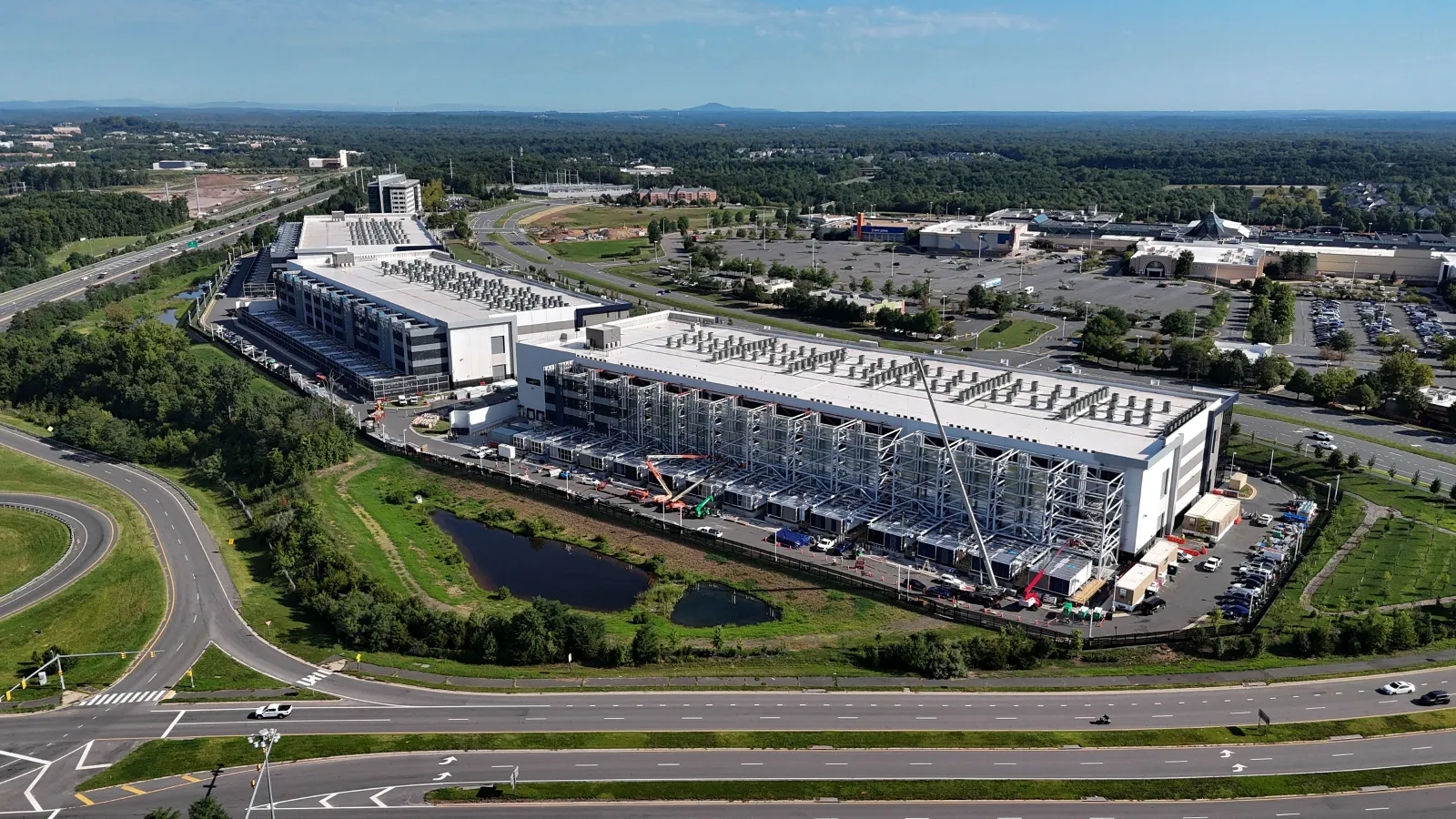
The meteoric rise of generative artificial intelligence and hyper-scale data centers has created an unprecedented demand shock for power grids, particularly in regions like Northern Virginia, Texas, and the Pacific Northwest. While tech companies have flirted with funding dedicated nuclear or gas plants to power their servers, studies show that financing residential heat pumps, smart water heaters, and solar-plus-storage systems can scale much faster. By turning millions of homes into micro-generators and flexible absorbers of energy, hyperscalers can neutralize their carbon footprint while circumventing lengthy interconnection queues for transmission-level generation.
3. Equitable Cost Distribution
A common critique of early rooftop solar programs was that non-solar owners—often lower-income renters who could not afford upfront capital costs—subsidized the grid maintenance fees of wealthier solar-owning homeowners. Next-generation VPP architectures designed around pay-for-performance wholesale participation aim to reverse this dynamic. By lowering overall peak demand and reducing the need to construct multi-billion-dollar peaker gas plants, aggregated DERs can lower wholesale capacity prices, ultimately driving down utility bills for all ratepayers within a service territory, regardless of whether they own solar panels.
4. Regulatory and Market Reform
For VPPs to achieve their full potential of 160 GW by 2030, wholesale energy markets must continue to evolve. Federal Energy Regulatory Commission (FERC) Order 2222 opened wholesale markets to distributed energy resource aggregators, but implementation across Regional Transmission Organizations (RTOs) and Independent System Operators (ISOs) remains uneven. Streamlining interconnection standards, standardizing telemetry requirements, and compensating households fairly for exported energy and grid services will be paramount as the industry transitions from a niche experiment into the backbone of 21st-century power infrastructure.