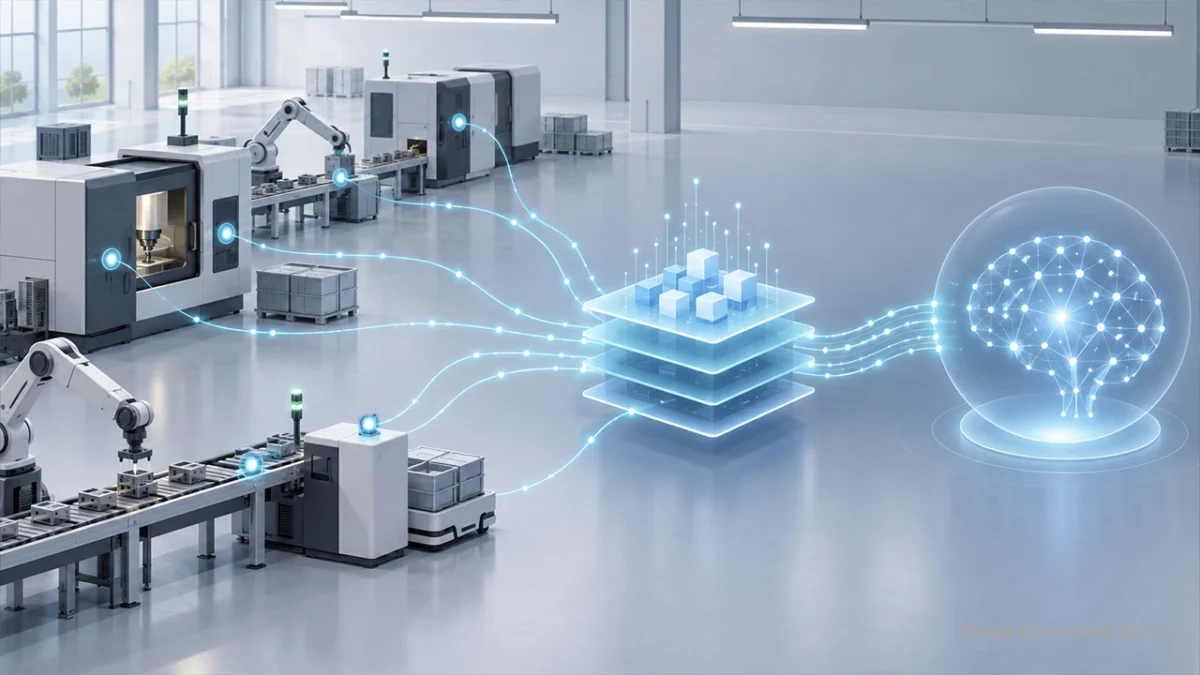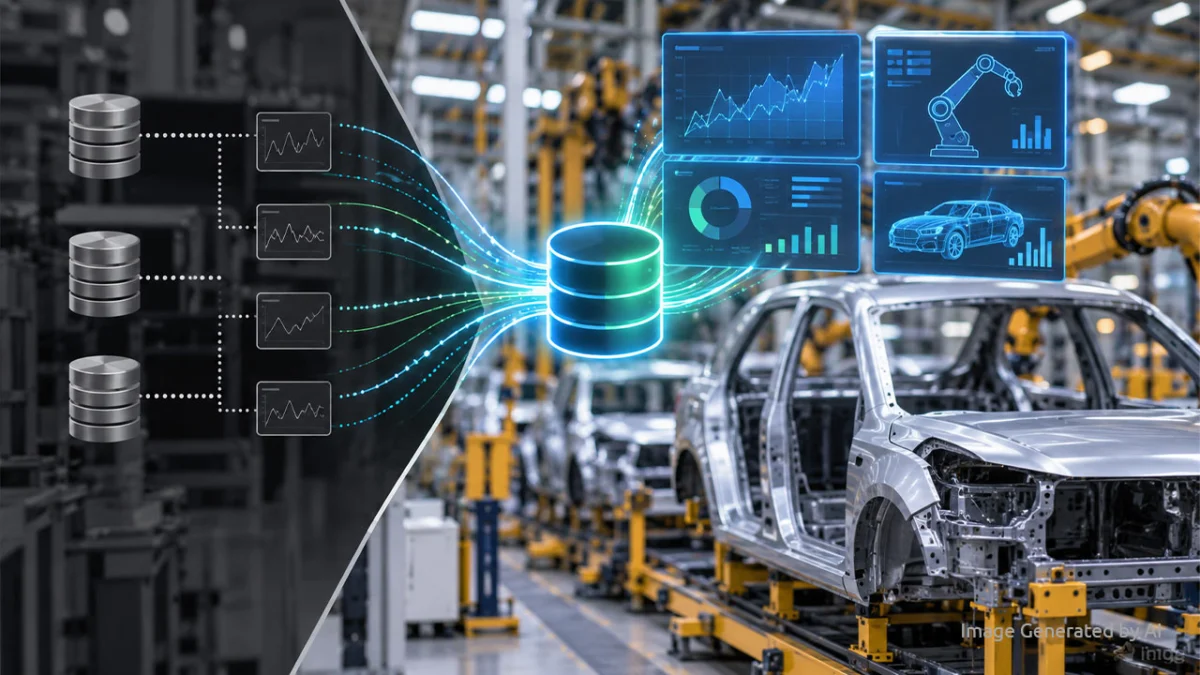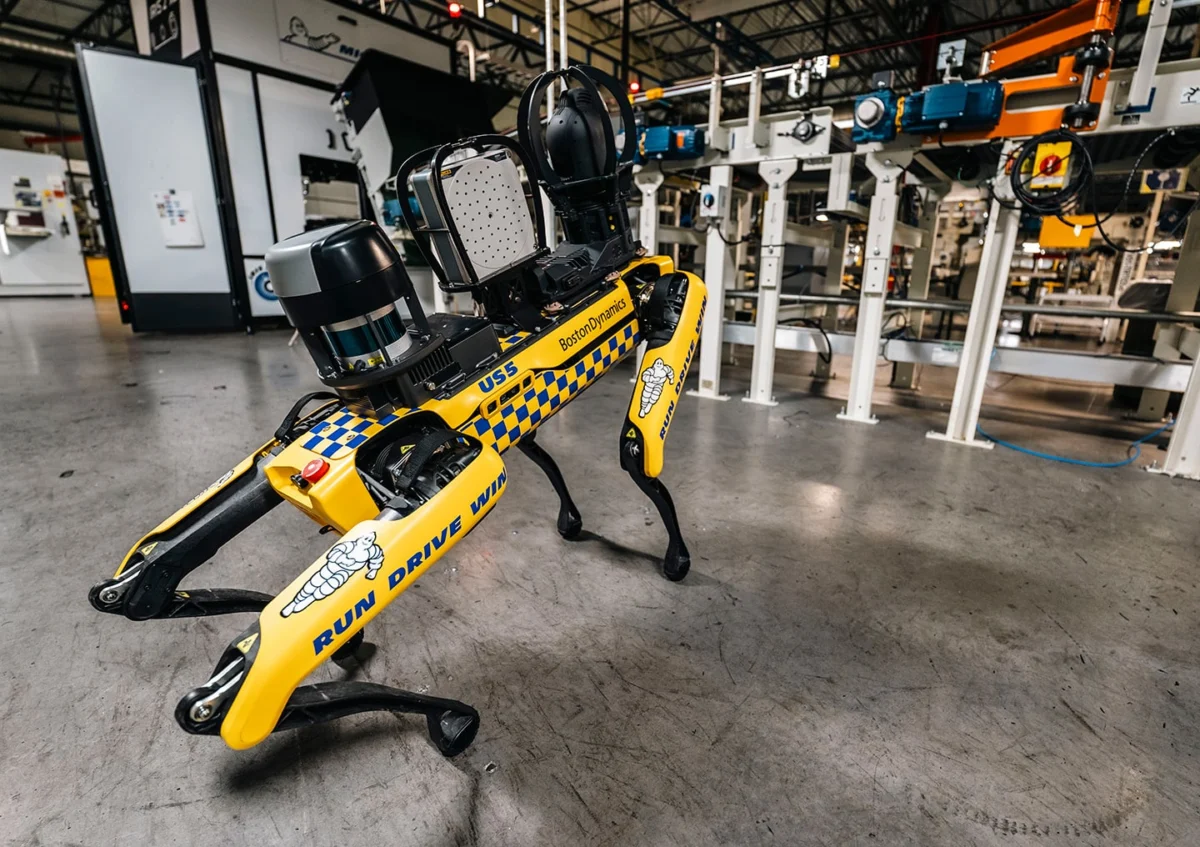
The manufacturing sector is currently navigating its most significant structural shift in half a century. As the "Silver Tsunami"—the mass retirement of the baby boomer generation—accelerates, industrial facilities are losing more than just bodies on the floor; they are losing decades of nuanced, tribal knowledge that has historically kept production lines moving.
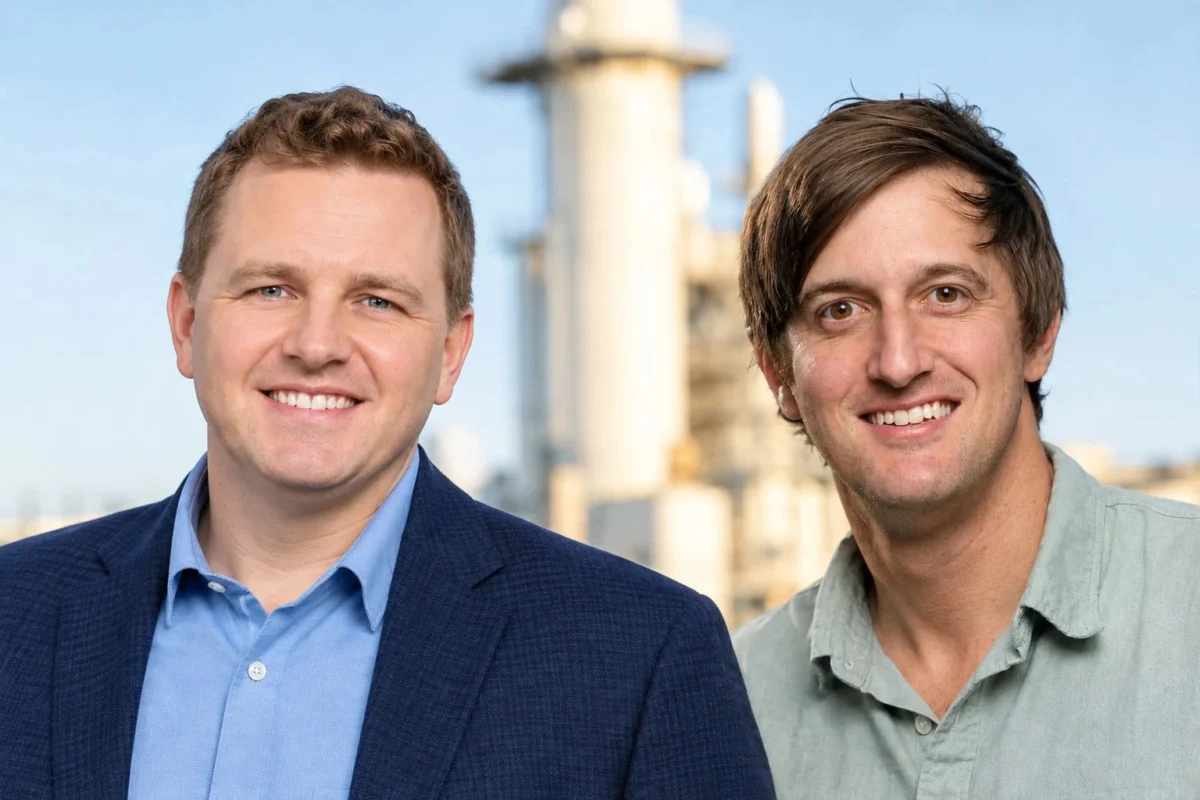
At the International Manufacturing Technology Show (IMTS) 2026, the urgency of this transition was a central theme. Among the innovators addressing this crisis was MaintainX, a leader in digital maintenance management. In an exclusive discussion on the show floor, Nick Haase, co-founder of MaintainX, and Cliff West, Solutions Consultant at the firm, detailed how the industry can pivot from a culture of "tribal knowledge" to one of digitized, accessible intelligence.
The Anatomy of the Knowledge Crisis
The loss of skilled labor is not merely a staffing issue; it is an operational risk. For years, maintenance departments have relied on senior technicians who possess the uncanny ability to diagnose a failing machine by the sound of its motor or the vibration of a gear. When these workers retire, they take that diagnostic intuition with them, leaving junior technicians to struggle with outdated paper manuals or, worse, no documentation at all.
The Chronology of the Shift
The transition from paper-based maintenance to the digital era has not been linear. We can track the evolution of this challenge through three distinct phases:
- The Era of Institutional Memory (1980–2010): Knowledge lived inside the heads of veteran employees. Training was largely apprenticeship-based, and maintenance logs were handwritten in logbooks that often went unread.
- The Digital Transition (2010–2020): Companies began adopting Computerized Maintenance Management Systems (CMMS). While these tools digitized data entry, they were often cumbersome, unintuitive, and failed to capture the process of how a repair was performed.
- The Generative AI and Automation Era (2020–Present): We are now in the third phase, where the goal is to lower the barrier to entry for documentation. The focus has shifted from "data collection" to "knowledge preservation through automation."
Supporting Data: The Cost of Inaction
The data supporting the need for digital transformation is stark. According to industry reports presented during IMTS 2026, manufacturing facilities that fail to modernize their maintenance workflows experience:
- Increased Mean Time to Repair (MTTR): Without digital guidance, junior technicians spend up to 40% more time troubleshooting than their senior counterparts.
- Reduced Asset Uptime: Inconsistent maintenance practices lead to a 15–20% increase in unplanned downtime, directly impacting the bottom line.
- The "Knowledge Vacuum": Studies suggest that nearly 60% of maintenance tasks are performed without standardized work instructions, leading to "technique drift," where the quality of repair degrades over time as it is passed from one worker to another.
MaintainX’s approach is designed to reverse these trends by making documentation a byproduct of work, rather than an administrative chore.
Innovations in Knowledge Capture: The "Video-to-Procedure" Paradigm
During our conversation at IMTS, the standout innovation discussed was MaintainX’s "video-to-procedure" technology. For decades, the primary hurdle to creating standard operating procedures (SOPs) has been the time investment required. Technicians are notoriously busy; asking them to sit at a desk and write a 10-page guide on how to calibrate a robotic arm is a non-starter.
MaintainX has inverted this workflow. Using their platform, a technician can record a video of themselves performing a task on their mobile device. The AI engine then analyzes the footage, identifies the steps, and automatically generates a structured, step-by-step digital procedure.
Why This Matters for the Workforce
- Lowering Friction: It removes the "writer’s block" associated with documentation.
- Empowering the Next Gen: New hires, who are digital natives, prefer video-based and interactive content over dense, text-heavy binders.
- Continuous Improvement: As better ways of performing a task are discovered, the video can be updated instantly, ensuring the entire workforce has access to the latest "best practice" in real-time.
Official Responses: Insights from the MaintainX Leadership
In our interview, Nick Haase, co-founder of MaintainX, emphasized that the goal is not to replace the human element, but to provide a digital exoskeleton for the worker.
"The fear that technology will replace the technician is misplaced," Haase stated. "The real fear should be that we don’t provide our technicians with the tools they need to succeed. When a junior tech is standing in front of a $500,000 piece of equipment that is down, they shouldn’t have to guess. They should be able to tap into the collective experience of everyone who has worked on that machine for the last twenty years."
Cliff West, Solutions Consultant at MaintainX, expanded on the human-centric design of the platform. "We focus on ‘non-intimidating’ technology," West explained. "If a tool makes a technician’s job harder or requires them to spend an hour navigating menus, they won’t use it. Our philosophy is that the digital tool must be as easy to use as the apps they use in their personal lives. By capturing knowledge in the flow of work, we turn the act of maintenance into an act of knowledge creation."
Implications: Building a Resilient Industrial Future
The implications of digitizing the maintenance workforce extend far beyond individual factories. They represent a fundamental shift in how the manufacturing industry perceives human capital.
The Democratization of Expertise
By digitizing tribal knowledge, companies are effectively "democratizing expertise." A facility in Ohio can now share a best-practice procedure with a sister plant in Germany or Mexico instantaneously. This global standardization is essential for companies looking to maintain quality consistency across distributed operations.
Changing the Culture of the Shop Floor
Perhaps the most significant implication is cultural. By giving workers digital tools, manufacturing becomes a more attractive career path for younger generations. A high-tech shop floor that utilizes AI, mobile devices, and AR-ready documentation creates an environment that aligns with the expectations of a workforce that has grown up in the digital age.
Risk Mitigation in an Unpredictable Market
Supply chains are increasingly fragile, and downtime is increasingly expensive. As margins tighten, the ability to maintain assets efficiently becomes a competitive advantage. Companies that invest in capturing the knowledge of their retiring workforce today will be the ones that survive the labor shortages of tomorrow.
Conclusion: The Path Forward
The "Silver Tsunami" is not a disaster to be feared, but a catalyst for necessary change. The conversation at IMTS 2026 made it clear: the tools to bridge the skills gap already exist. Technologies like MaintainX’s video-to-procedure capability are not just software upgrades; they are the bridge between the analog past of the manufacturing floor and a digital, AI-augmented future.
As manufacturers look to the next decade, the focus must remain on the worker. By providing the maintenance team with intuitive, powerful, and accessible digital tools, companies can ensure that the "tribal knowledge" of the past becomes the institutional intelligence of the future. The question is no longer whether to digitize, but how quickly organizations can adapt to keep their most valuable asset—their knowledge—secure.
To hear the full conversation with Nick Haase and Cliff West from the IMTS show floor, listen to the audio recording linked in the original article.