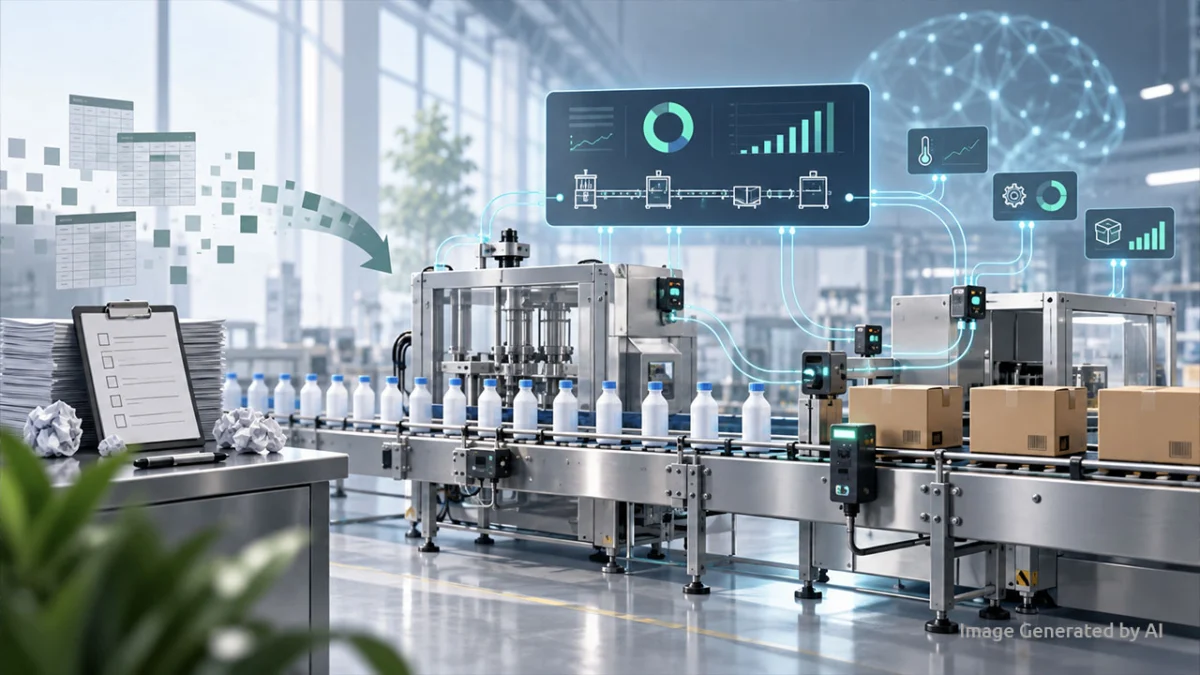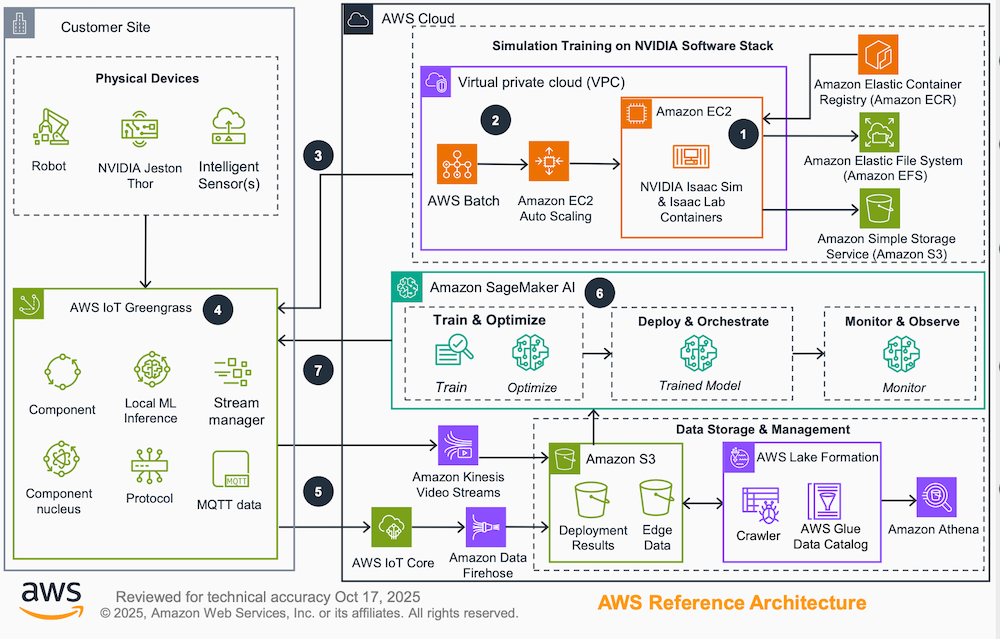
As the global manufacturing landscape undergoes a seismic shift, the United States finds itself at a critical crossroads. For decades, the offshoring of production was the standard operating procedure for global corporations seeking cost efficiencies. However, mounting geopolitical tensions, fragile supply chains, and the rapid maturation of robotics technology have catalyzed a movement toward "reshoring"—the act of bringing manufacturing capacity back to American soil.
At RoboBusiness 2026, scheduled for October 20–21 in Santa Clara, California, a marquee panel of industry titans, policy architects, and academic leaders will convene to address the most pressing question in industrial automation: How can the U.S. effectively reclaim its manufacturing crown through the strategic deployment of robotics?
The Core Challenge: Bridging the Gap in Industrial Autonomy
While robotics is widely recognized as the primary enabler of domestic production, the path forward remains fragmented. A central point of contention is the origin of the technology itself. Much of the industrial automation currently powering U.S. facilities is manufactured by foreign-owned entities. This reality poses a strategic dilemma: Can a nation truly claim to have "reshored" its manufacturing if it remains fundamentally reliant on foreign-owned robotic hardware?
The upcoming RoboBusiness panel, moderated by Eugene Demaitre, Editorial Director of Robotics at Arrowfly, aims to dissect this paradox. The discussion will navigate the effectiveness of recent fiscal and regulatory interventions, including targeted tariffs and Federal Communications Commission (FCC) import restrictions, in incentivizing a truly sovereign robotics supply chain.
Chronology of the Reshoring Debate
To understand the urgency of the 2026 conference, one must look at the recent evolution of the manufacturing discourse:
- 2020–2022 (The Supply Chain Shock): The global pandemic exposed the brittleness of "just-in-time" international supply chains, sparking the first major wave of corporate interest in regionalized production.
- 2023–2024 (The Policy Pivot): The U.S. government shifted toward aggressive industrial policy, introducing subsidies for semiconductor and clean-tech manufacturing. Simultaneously, cybersecurity concerns regarding foreign-linked industrial robots began to influence procurement at the federal level.
- 2025 (The AI Integration Era): The convergence of generative AI and physical robotics shifted the conversation from simple automation to "intelligent agents" capable of autonomous decision-making, increasing the value proposition of high-tech domestic facilities.
- 2026 (The RoboBusiness Summit): Industry leaders gather to codify a national strategy, moving beyond ad-hoc policy to a cohesive roadmap for American robotics dominance.
Supporting Data: Why Robots are the Key to Competitiveness
The economic argument for robotics in reshoring is rooted in cost-parity. Historically, labor-intensive manufacturing migrated to regions with lower wages. However, as global labor costs rise and the cost of sophisticated robotic systems continues to plummet, the "labor arbitrage" advantage of offshoring is vanishing.
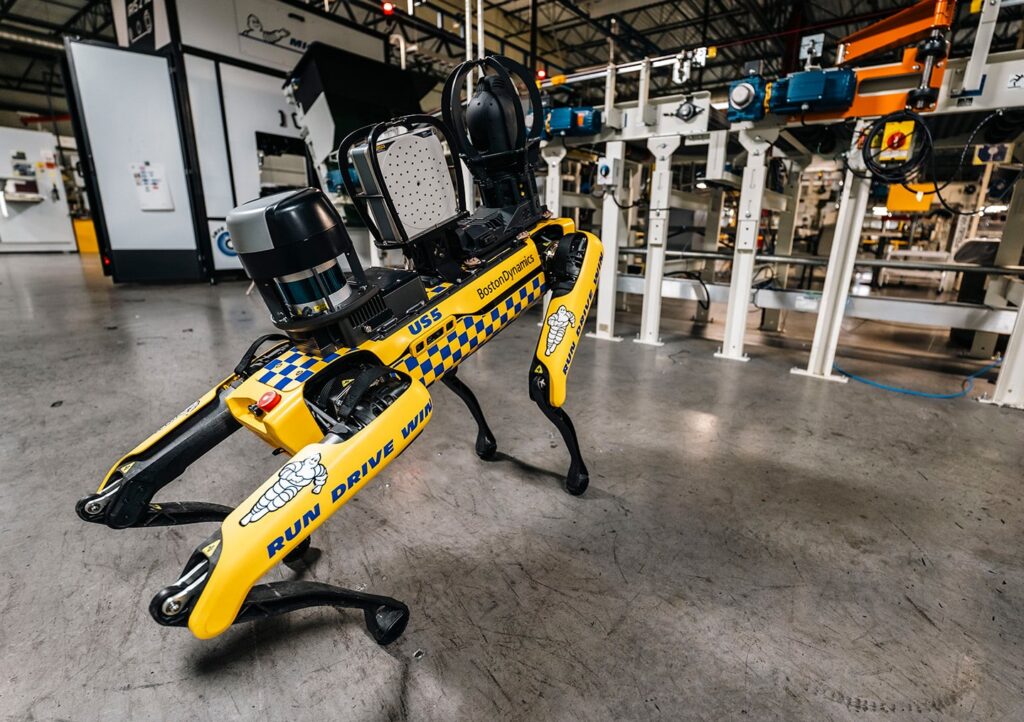
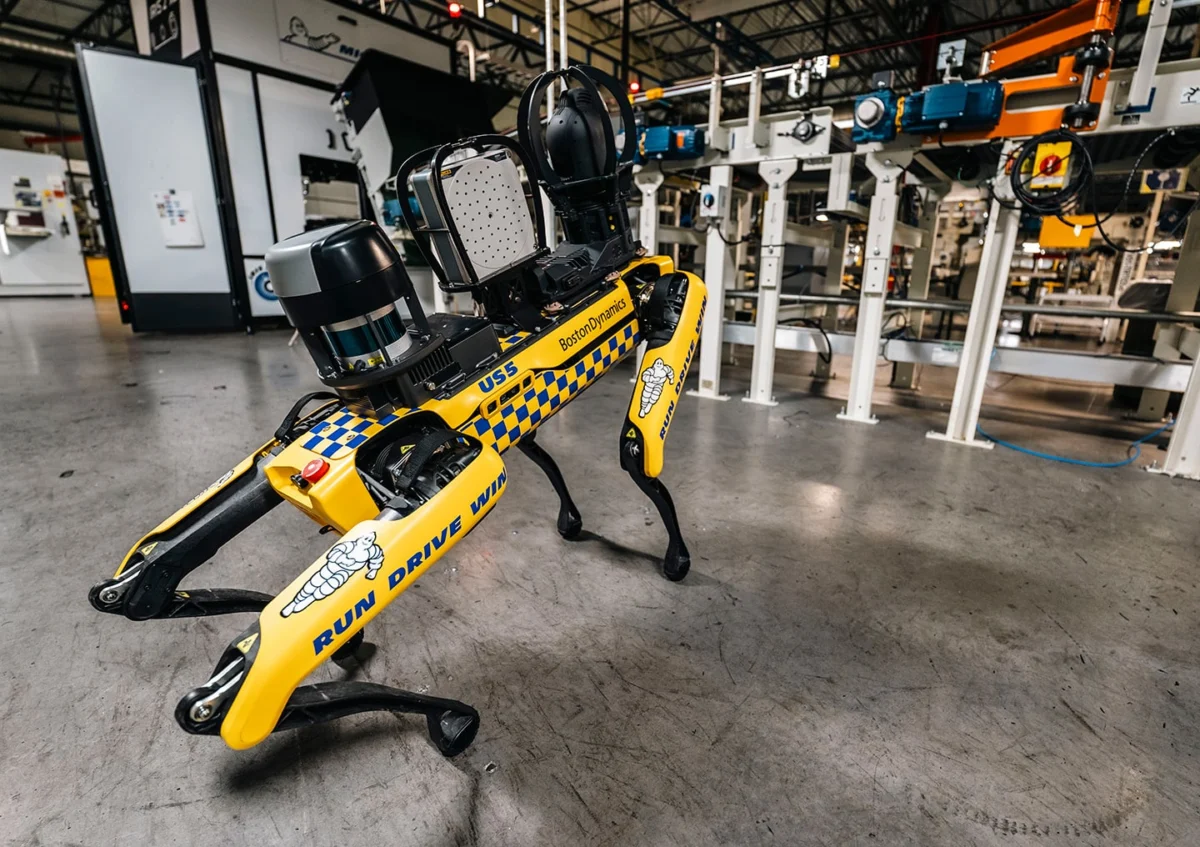
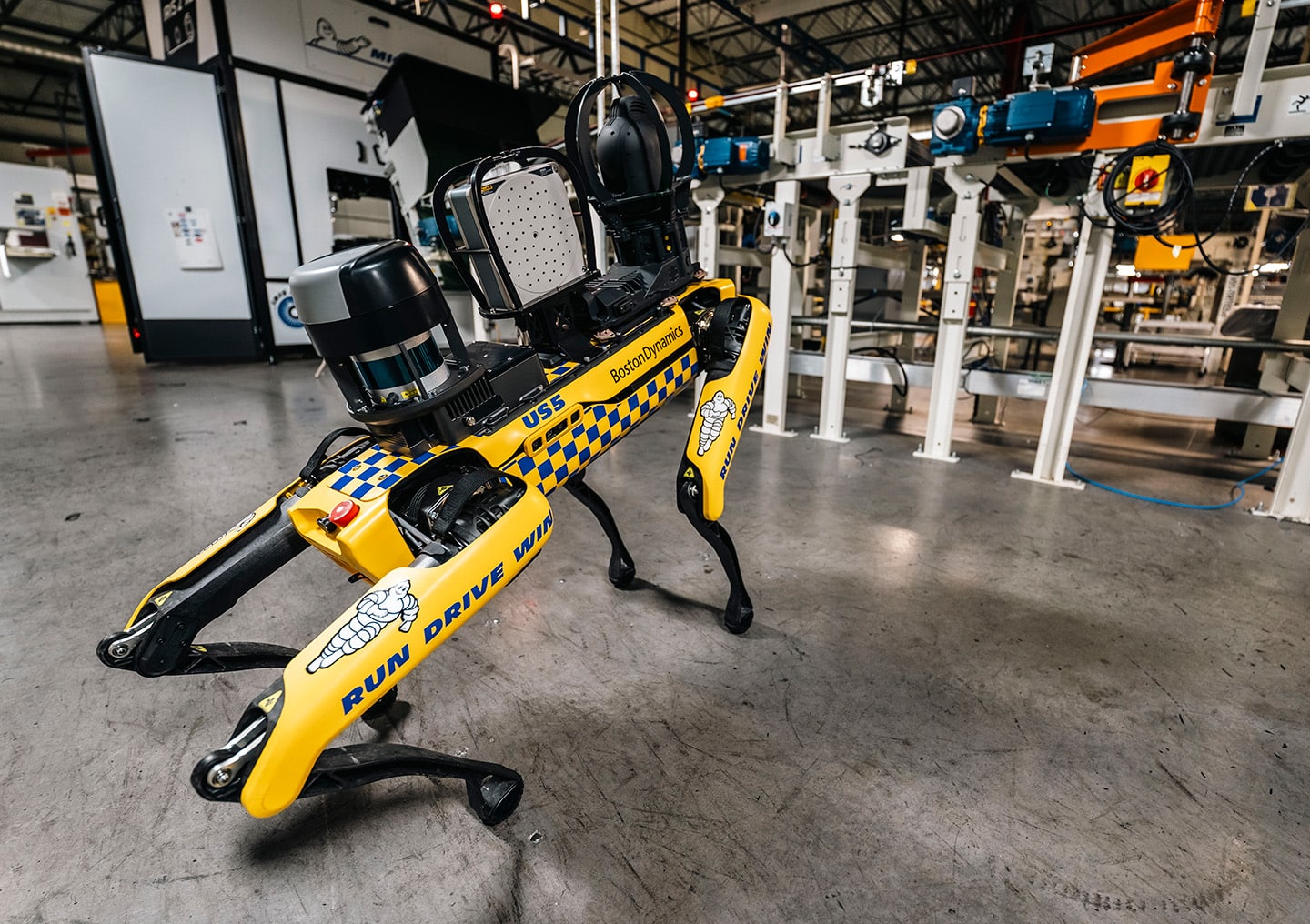
Current research suggests that high-performance, mobile robotic platforms—such as the quadruped systems utilized by companies like Michelin—are reducing downtime and increasing safety in hazardous inspection roles. By integrating these systems, manufacturers can maintain 24/7 production cycles, offsetting the higher cost of U.S. labor through vastly increased throughput and reduced error rates.
Furthermore, the integration of advanced software—specifically in interoperability and fleet management—is allowing smaller, domestic manufacturers to compete with large-scale international competitors. The ability to swap tasks between robots from different vendors, a challenge currently being addressed by standards groups, is expected to reduce capital expenditure by an estimated 20–30% over the next five years.
Expert Perspectives: The Panelists’ Insights
The panel for RoboBusiness 2026 represents a cross-section of the most influential minds in the sector.

Michael Bearman, Vecna Robotics
As the Chief Legal and Safety Officer at Vecna Robotics, Bearman brings a dual perspective: legal expertise and hands-on experience in scaling government-contracted technology. His work with ISO working groups and the MassRobotics Interoperability Standard underscores his belief that industry standards are the bedrock of a scalable domestic robotics ecosystem. "Reshoring isn’t just about moving a factory," Bearman has argued. "It’s about establishing the digital infrastructure that allows American robotics to communicate and thrive."
Dr. Henrik I. Christensen, UC San Diego
As the lead author of the U.S. National Robotics Roadmap, Dr. Christensen is perhaps the most qualified voice on the systemic changes required to foster a robust robotics economy. His research at the Contextual Robotics Institute highlights the necessity of "real-world" deployment. For Christensen, the goal is to bridge the gap between academic research in computer vision/AI and the factory floor, ensuring that the U.S. maintains its lead in intellectual property.
Dr. Ellie Sakhaee, Google
Representing the intersection of AI and public policy, Dr. Sakhaee brings a unique focus on "frontier technology." Having worked in both the U.S. Congress and the Office of Responsible AI at Microsoft, she is uniquely positioned to discuss how machine learning models can be used to mitigate the risks of automated systems. Her insights on how AI-driven robotics can improve scientific discovery and industrial agility will be vital to the discussion on future-proofing American manufacturing.

Brendan Schulman, Boston Dynamics
A veteran of the drone industry’s regulatory battles, Schulman is a key proponent of "pragmatic regulation." At Boston Dynamics, he has been instrumental in navigating the complex relationship between technological innovation and public safety. Schulman advocates for policies that foster innovation while addressing the legitimate geopolitical concerns surrounding the integration of intelligent robots into society.
The Strategic Implications: A Path to National Resilience
The discussions at RoboBusiness 2026 will have implications that reach far beyond the factory floor. The panelists are expected to touch upon three critical areas:
1. The Need for a National Robotics Strategy
There is a growing consensus that the U.S. lacks a centralized vision for robotics. While individual sectors (defense, healthcare, agriculture) have seen investment, a holistic national strategy—similar to those seen in parts of Europe and Asia—is needed to synchronize workforce development, R&D funding, and regulatory frameworks.

2. Cybersecurity and Geopolitics
As robots become more connected, they become potential vectors for cyber-attacks. The panel will explore the "trustworthiness" of the supply chain. If a robot is connected to the cloud, where does its data go? Does the hardware contain components that could be remotely disabled or exploited? These are the questions that will define the next decade of industrial policy.
3. Workforce Development: The Human Element
A common misconception is that robots eliminate the need for humans. On the contrary, the panelists will emphasize that a reshoring strategy is only as good as the workforce supporting it. The shift toward higher-level maintenance, software management, and AI-oversight roles requires a massive investment in vocational training and higher education.
Conclusion: A Milestone for the Industry
RoboBusiness 2026 is more than just a trade show; it is an inflection point. By gathering the brightest minds in policy, law, and robotics engineering, the event aims to translate the theoretical goal of "reshoring" into actionable, industry-wide strategy.

As attendees gather in Santa Clara this October, they will be looking for more than just the latest hardware; they will be looking for the rules of the road for the next twenty years. Whether through new interoperability standards, smarter trade policies, or a revitalized commitment to domestic R&D, the path forward is clear: the future of American manufacturing is, and must be, robotic.
Event Details:
- Event: RoboBusiness 2026
- Dates: October 20–21, 2026
- Location: Santa Clara, California
- Registration: Full conference passes, including access to all keynotes and networking receptions, are currently available. Discounts for academia and corporate groups are provided upon request.
For those interested in shaping the future of robotics and learning how to integrate these critical technologies into their own operations, registration is now open. Join us as we celebrate 20 years of driving the industry forward.