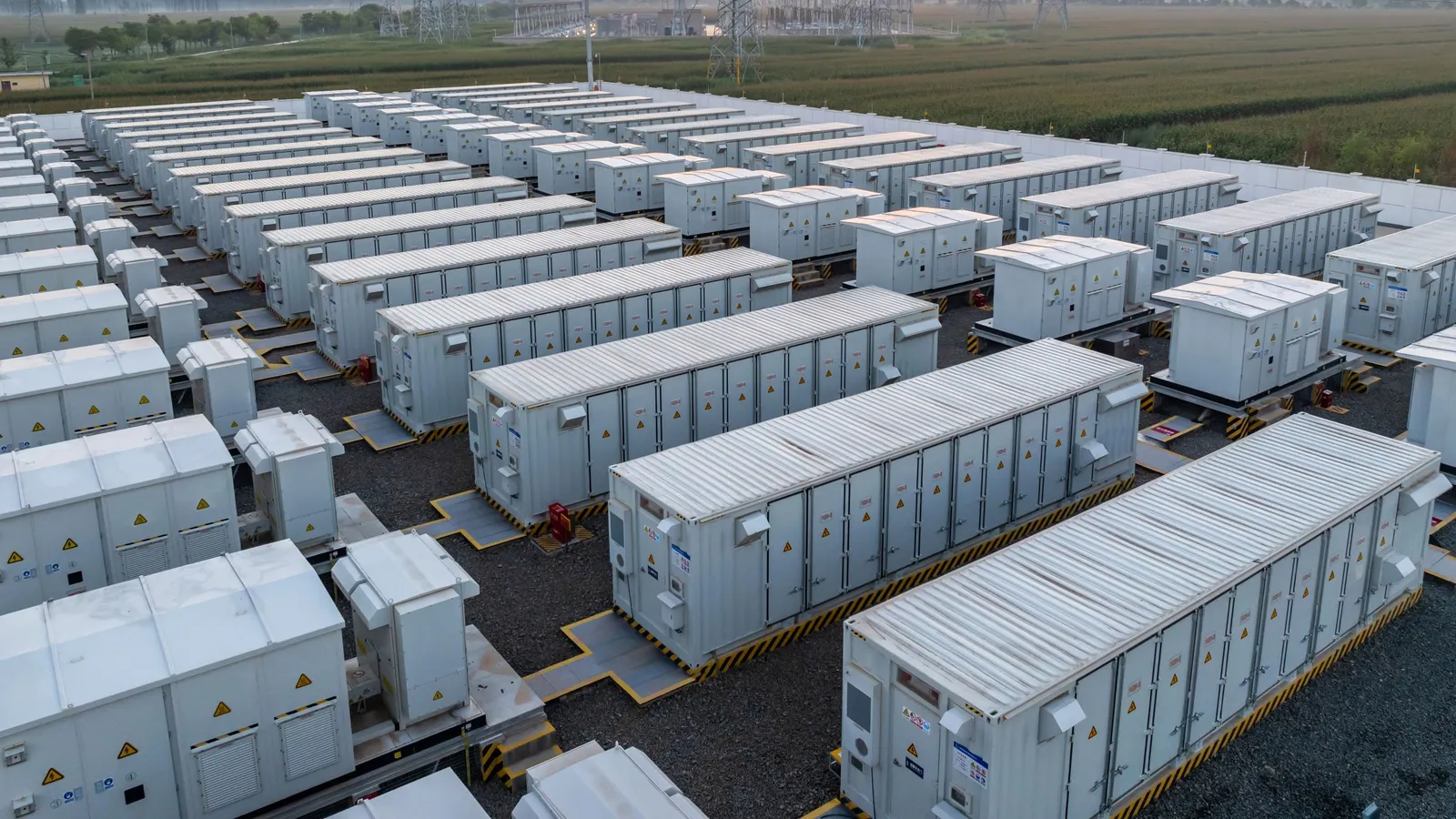
WASHINGTON — In a major step toward mitigating tightening capacity margins across the Mid-Atlantic and Midwest, the PJM Interconnection announced the approval of its first batch of projects through a newly established fast-track review process. The grid operator cleared three large-scale energy developments totaling 2.1 gigawatts (GW) of capacity, signaling a crucial regulatory shift aimed at injecting new power onto the system just as surging electricity demand—largely driven by the rapid expansion of data centers—threatens regional grid reliability.
The approvals, announced publicly by PJM on October 8, 2026, encompass two massive battery energy storage systems planned by Engie IR Holdings and a substantial natural gas-fired capacity uprate proposed by an affiliate of LS Power. According to the regional transmission organization (RTO), all three projects are projected to achieve commercial operation by mid-2029, offering a much-needed injection of flexibility and generation to a power market currently grappling with supply constraints and skyrocketing capacity prices.
Main Facts: The 2.1 GW Fast-Track Package
The newly approved trio of energy projects represents the inaugural success of PJM’s Expedited Interconnection Track, a temporary regulatory framework designed to slash bureaucratic bottlenecks for advanced, shovel-ready energy resources.
The approved projects consist of:
- Engie IR Holdings (Crawford, Pennsylvania): An 860-megawatt (MW) standalone battery energy storage system designed to provide rapid-response balancing capabilities and absorb excess renewable generation.
- Engie IR Holdings (Morrow, Ohio): An 800-MW battery energy storage system that will bolster grid stability in the western portion of PJM’s footprint.
- LS Power (Adams County, Pennsylvania): A 455-MW generation uprate to the existing 810-MW Hunterstown combined-cycle natural gas power plant, significantly boosting the facility’s output without requiring the construction of an entirely new footprint.
In total, the three projects account for 2.1 GW of new and upgraded capacity. This injection comes at a critical juncture for PJM, which manages the wholesale electricity market and high-voltage grid for all or parts of 13 states and the District of Columbia.
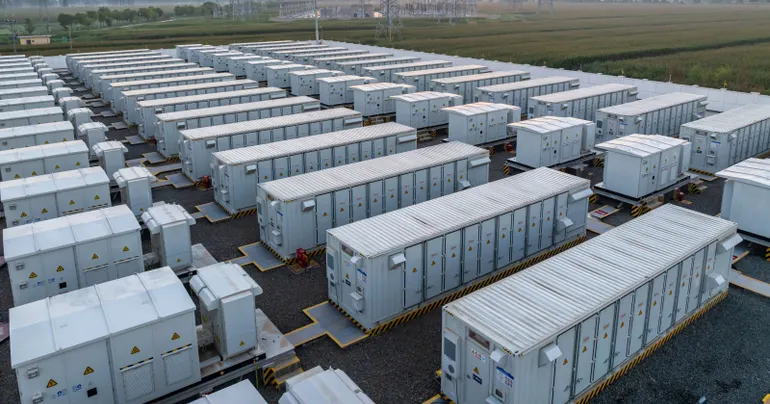
The fast-track process was explicitly engineered to bypass the multi-year backlogs that have historically plagued grid interconnection queues across the United States. By prioritizing projects that have already cleared local siting hurdles and can connect rapidly, PJM hopes to bridge the widening gap between supply and demand.
Chronology: How the Expedited Track Was Built and Deployed
The path to these approvals reflects a compressed, high-stakes timeline driven by mounting reliability concerns across the PJM footprint.
- June 2026: Recognizing an acute need for accelerated grid additions, the Federal Energy Regulatory Commission (FERC) officially approved PJM’s proposal to establish the Expedited Interconnection Track. The rule created a specialized pathway outside of the traditional, exhaustive cluster study process.
- July 31, 2026: PJM officially opened the application window for the first cycle of the fast-track process. Eligibility was strictly limited to projects larger than 250 MW that possessed primary siting and zoning authorities and could realistically demonstrate commercial operation within three years.
- October 8, 2026: Following a rapid technical review, PJM announced the approval of the first three projects under the new track: Engie’s dual storage installations and LS Power’s Hunterstown plant uprate.
- Mid-2029 (Projected): PJM anticipates that all 2.1 GW of approved capacity will be fully interconnected and operational, providing critical relief during peak demand seasons.
PJM’s temporary expedited track is scheduled to sunset at the end of 2027, capping participation at a maximum of 10 interconnection requests per year. This limitation ensures that the grid operator maintains rigorous oversight while offering a lifeline to the most advanced energy infrastructure proposals in the pipeline.
Supporting Data: The Convergence of Data Centers and Capacity Crunches
The urgency behind PJM’s fast-track approvals is rooted in a fundamental macroeconomic shift: soaring electricity demand colliding with a stagnant generation fleet.
For much of the early 2020s, generation retirements—driven largely by environmental regulations and the economic aging of coal-fired power plants—outpaced the rate at which new renewable and thermal resources were brought online. Simultaneously, the explosive growth of artificial intelligence, cloud computing, and digital infrastructure has transformed PJM’s service territory into a global hub for data centers, particularly in regions like Northern Virginia’s "Data Center Alley."

This structural imbalance has triggered severe market consequences:
- Surging Capacity Prices: In recent PJM capacity auctions, clearing prices have spiked dramatically. For example, the capacity price for the 2025/2026 delivery year surged by hundreds of percent in certain zones, reflecting the scarcity of available generation resources.
- Higher Consumer Utility Bills: Because capacity costs make up a substantial portion of retail electricity bills, these market spikes are directly translating into increased energy costs for residential, commercial, and industrial ratepayers across the PJM footprint.
- Tightened Reserve Margins: PJM’s independent market monitor and planning engineers have repeatedly warned that reserve margins are hovering uncomfortably close to minimum reliability thresholds, raising the risk of emergency procedures during extreme weather events.
The inclusion of large-scale battery storage—such as Engie’s 860-MW and 800-MW sites—highlights a technological evolution in how grid operators manage these peaks. While natural gas uprates like LS Power’s Hunterstown project provide essential round-the-clock baseload and ramp-up capabilities, battery storage offers instantaneous frequency regulation and peak-shaving services, easing the strain of sudden load spikes from data centers.
Official Responses and Strategic Context
Industry stakeholders, regulatory bodies, and market participants have offered cautiously optimistic responses to the fast-track approvals, viewing them as a necessary pragmatic intervention in an overburdened regulatory ecosystem.
PJM leadership has emphasized that the fast-track mechanism is just one pillar in a comprehensive, multi-pronged strategy to modernize grid access. Alongside the Expedited Interconnection Track, PJM has pursued several parallel initiatives:
- Reliability Backstop Procurement: PJM has advanced proposals for backstop procurement mechanisms to ensure that necessary generation capacity can be contracted if market signals alone fail to prompt adequate private development.
- Surplus Interconnection Service Rules: Recent updates to PJM’s surplus service rules allow new generation resources to utilize existing, underutilized interconnection capacity at operational power plants, significantly reducing upgrade costs and construction timelines.
- Comprehensive Queue Reform: Beyond temporary fixes, PJM has implemented a sweeping overhaul of its long-term generator interconnection process. Earlier cycles of this reformed process have already accepted hundreds of new generation projects into a more streamlined, "first-ready, first-served" cluster study model.
LS Power’s involvement in the fast-track milestone also underscores ongoing consolidation and strategic capital deployment within the independent power producer (IPP) sector. LS Power acquired the 810-MW Hunterstown combined-cycle facility from Platinum Equity in 2024. By leveraging its operational expertise to execute a 455-MW uprate, the company is maximizing the value of existing brownfield assets, avoiding the siting and land-use controversies often associated with greenfield developments.

Similarly, Engie IR Holdings’ commitment to multi-hundred-megawatt storage assets demonstrates the expanding institutional appetite for utility-scale energy storage as an asset class capable of capturing high revenues during periods of market scarcity.
Implications for the Future of Regional Power Markets
The successful clearance of PJM’s first expedited projects carries profound implications for the broader U.S. energy landscape.
As other regional transmission operators—such as MISO, ERCOT, and SPP—grapple with similar surges in industrial load and data center proliferation, PJM’s temporary fast-track model is likely to serve as a blueprint. Regulatory agility is increasingly recognized as a vital counterpart to technological innovation; without streamlined pathways to connect ready projects, billions of dollars in private capital risk remaining sidelined in administrative limbo.
However, challenges remain. While mid-2029 offers a clear horizon for these 2.1 GW of projects, the intervening years will test PJM’s reliability margins. Grid operators, state public utility commissions, and transmission developers must navigate ongoing supply chain constraints for transformers, high-voltage switchgear, and battery cells. Furthermore, integrating massive blocks of intermittent storage and gas capacity will require continued vigilance regarding transmission deliverability and local grid congestion.
For now, the greenlighting of the Engie and LS Power projects marks a tangible turning point. By cutting through red tape for mature projects, PJM has demonstrated that regulatory frameworks can adapt to the unprecedented demands of the modern digital economy—offering a pathway toward a more resilient, well-supplied regional power grid.