In the modern global economy, volatility has transitioned from an anomaly to a recurring feature. As indicators point toward a potential recession—characterized by inflationary pressures, fluctuating stock markets, and strained international trade relations—business leaders are once again forced to confront the chilling prospect of a significant economic slowdown. For industrial manufacturers, design consultancies, and the engineers and designers who power them, the current climate presents a pivotal choice: succumb to a defensive crouch of austerity, or lean into strategic innovation to emerge as market leaders when the tide turns.
The Anatomy of an Economic Slowdown
The current economic narrative is dominated by a sense of unease. Inflationary concerns, coupled with a tightening labor market for highly specialized talent, have eroded confidence among upper-level management. When trade wars disrupt supply chains and consumer spending softens, the immediate instinct for many firms is to cut costs aggressively.
However, historical data suggests that the "luck of the draw" approach to layoffs and the indiscriminate slashing of R&D budgets often prove counterproductive. While firms like Google, 3M, and Johnson & Johnson are frequently cited for their progressive management styles, their true strength lies in their ability to differentiate between "bad costs" (those that stifle growth) and "necessary investments" (those that foster resilience).
A Chronology of Uncertainty
The current economic cycle did not emerge in a vacuum. It is the culmination of several years of post-pandemic recovery, supply chain restructuring, and geopolitical friction.
- The Early Warning Signs: Initial reports of slowing consumer confidence began appearing as inflation reached multi-decade highs, forcing central banks to pivot from accommodative monetary policies to aggressive interest rate hikes.
- The Corporate Response Phase: As borrowing costs rose, corporate balance sheets tightened. Many firms initiated hiring freezes, followed by layoffs, as they sought to protect short-term margins.
- The Current Crossroads: Today, we find ourselves at a critical juncture where policymakers at the Federal Reserve and industry analysts agree that slower growth is the baseline expectation for the coming quarters. The question for organizations is no longer if they will face a slowdown, but how they will choose to navigate it.
The Corporate Perspective: Offensive vs. Defensive Strategy
When an organization faces a contraction, it generally adopts one of two postures: defensive or offensive.
The Defensive Trap
Defensive companies focus exclusively on cost-containment. While preserving cash flow is essential, these firms often sacrifice their future competitive advantage by gutting their engineering departments and stalling product development. This approach leads to a "hollowed-out" organization that lacks the capacity to innovate when the market inevitably rebounds.
The Offensive Advantage
Forward-thinking manufacturers, conversely, view economic downturns as an opportunity to gain market share. They prioritize long-term growth by keeping their R&D teams intact and shifting their focus toward process optimization and product innovation. By viewing the product not just as a commodity, but as a strategic asset for data collection and customer engagement, these companies turn the downturn into a period of intensive preparation.
The Crucial Role of Industrial Designers and Engineers
Industrial designers and engineers are the "people engine" of any manufacturing firm. Often, they act as the silent leaders of an organization, planting the seeds of innovation long before management formally recognizes a shift in strategy.
During periods of chaos, the technical workforce holds a unique advantage: they are the closest to the product and, by extension, the customer experience. When management is paralyzed by uncertainty, it is often the R&D team that can provide the data-driven insights necessary to pivot. Whether it is identifying which product features are driving customer retention or discovering ways to optimize manufacturing costs through smarter design, the contribution of the technical team is the bridge between survival and growth.
Investing in the "People Engine": The Case for Upskilling
As Warren Buffett has famously noted, the best investment one can make is in oneself. In an era of economic uncertainty, this principle applies to both the individual designer and the organization at large.
Closing the Skill Gap
The rapid evolution of design tools means that static skills quickly become obsolete. To maintain a competitive edge, organizations must prioritize the continuous development of their workforce. This is not merely about teaching new software; it is about cultivating a versatile skill set.
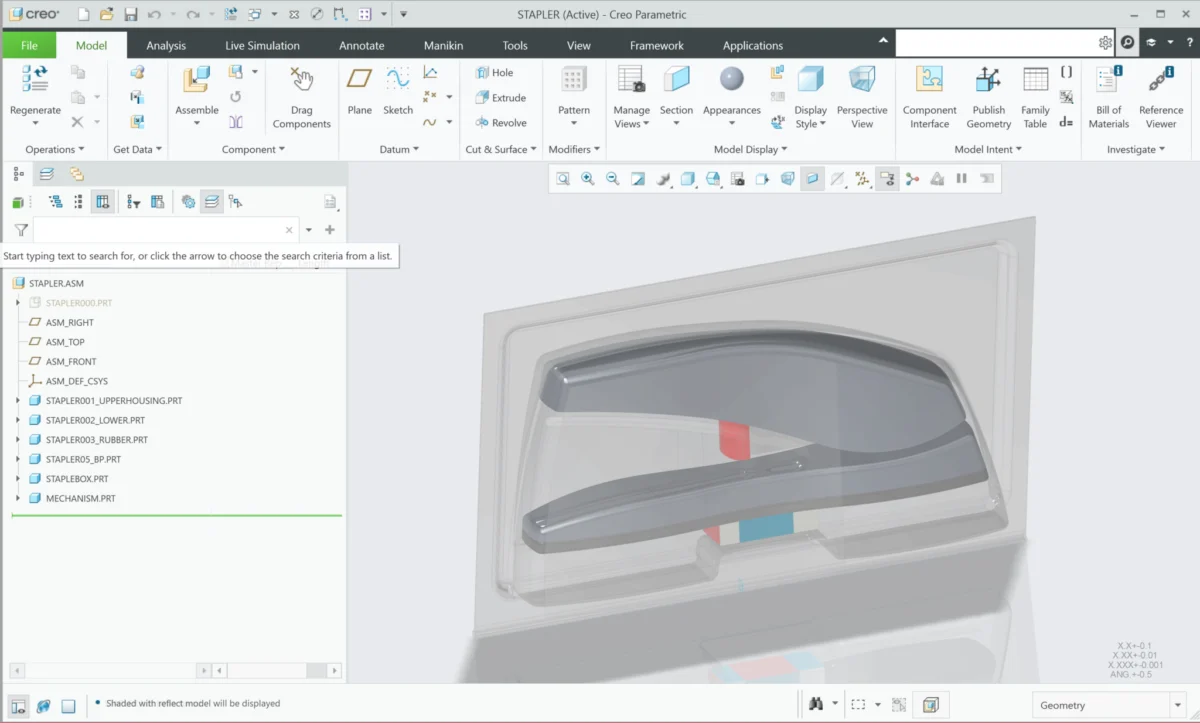
- Advanced Modeling and Surfacing: Mastery of tools like Creo and Solidworks is the baseline. Engineers who can navigate complex surfacing and assembly modeling can produce high-quality work in a fraction of the time, allowing teams to do more with less.
- Design for Manufacturing (DFM): Understanding the intricacies of injection molding, die casting, and forging allows designers to reduce scrap rates and production costs—direct contributions to the company’s bottom line during a recession.
- Soft Skills and Leadership: Training engineers to lead brainstorming sessions or to present complex technical concepts to non-technical stakeholders is a force multiplier. It empowers the R&D team to influence management decisions, ensuring that innovation remains a priority.
Product Innovation as a Strategic Asset
In a modern, connected world, a product is a channel. It is a marketing tool, a source of usage data, and a primary touchpoint for the customer. Companies that leverage product analytics can identify which segments of their customer base are at risk of churn, allowing them to proactively adjust their strategies.
This shift in perspective—viewing the product as a data-generating asset—is what separates the winners from the losers. When R&D teams are tasked with solving these strategic problems rather than just "designing parts," the organization builds a moat of resilience that competitors cannot easily cross.
Implications: Building the Future
The path out of an economic downturn is paved by those who refused to stop building. When a company chooses to invest in training—whether it’s a week-long workshop on injection molding or a certification in advanced generative design—they are sending a signal to their employees and their market: they are not just waiting for the storm to pass; they are preparing to lead the recovery.
For the individual designer or engineer, this is the time to specialize. By deepening expertise in manufacturing processes and mastering the latest design platforms, you make yourself indispensable. For the manufacturer, the strategy is clear: focus on your people, protect your R&D pipeline, and double down on the belief that the next generation of products will be the catalyst for the next generation of growth.
Conclusion: Thriving, Not Just Surviving
Economic cycles are inevitable, but their impact on your organization is a matter of choice. By adopting an offensive strategy, fostering a culture of continuous learning, and recognizing the product as the core of the business, companies can emerge from these periods not just intact, but stronger and more agile than before.
The "people engine"—those industrial designers, engineers, and creative thinkers—are the architects of this future. By investing in them today, organizations secure their success for tomorrow.
Resources for Professional Growth
To stay ahead of the curve, industry professionals should prioritize continuous, hands-on training. Whether you are looking to master Creo (from advanced surfacing to cable harness design) or sharpen your skills in Solidworks and Manufacturing Processes, the investment in your technical literacy is the single most effective hedge against economic instability.
- Creo Training: From update training to advanced modeling, these courses are designed to keep you at the cutting edge of mechanical design.
- Solidworks Mastery: Specialized surfacing and design-to-production workflows to optimize your output.
- Manufacturing Workshops: Gain the practical knowledge needed to reduce costs and improve part design for injection molding, forging, and die casting.
Bart Brejcha leads teams of designers and engineers and teaches a wide variety of professional development classes at Design Engine. For inquiries on how to transition your team to a more resilient, innovation-focused structure, contact him at [email protected].