


NORTH RIDGEVILLE, OHIO — As the summer sun climbs high into the Midwestern sky, residents of North Ridgeville know all too well that air conditioning is not merely a luxury—it is an absolute necessity for modern daily living. With average summer temperatures consistently hovering in the comfortable yet demanding mid-80s, local homes rely heavily on their HVAC infrastructure to maintain indoor habitability.
However, few household emergencies are as instantly distressing as walking into a sweltering home on a peak summer afternoon, only to find that your trusty air conditioning unit refuses to hum to life. A sudden system failure can instantly transform a peaceful living space into an uncomfortable, humid box.
To help local homeowners navigate these stressful scenarios, the HVAC experts at Climate-Tech have released an in-depth operational advisory. The comprehensive guide details the most common reasons why residential cooling systems fail to activate, outlines safe preliminary troubleshooting steps, and highlights the precise operational thresholds that necessitate professional intervention. By understanding the anatomy of these failures, residents can potentially save time, avoid unnecessary financial strain, and restore comfort to their households swiftly.
The Anatomy of an AC Breakdown: Chronology of a Summer Failure
When an air conditioning system abruptly shuts down or fails to initiate a cooling cycle, the breakdown rarely happens in a vacuum. Understanding the typical chronology of system stress helps homeowners identify small issues before they snowball into catastrophic mechanical failures.
Phase 1: Silent Strain (Weeks Before Failure)
Long before an AC unit refuses to turn on, it often undergoes silent strain. This period is characterized by microscopic inefficiencies. Dust, pet dander, and airborne debris slowly accumulate on the system’s air filter. Simultaneously, electrical components begin to experience micro-fluctuations in voltage, and moving parts face microscopic increases in friction. During this phase, the system may still turn on, but it works significantly harder and longer to achieve the thermostat’s target temperature.
Phase 2: Intermittent Warnings (Days Before Failure)
As the strain intensifies, the air conditioning unit begins to exhibit subtle warning signs. Homeowners might notice that the system is running longer cycles than usual (short-cycling or continuous running), rooms feel unevenly cooled, or faint clicking noises emanate from the indoor air handler or outdoor condenser unit. These symptoms indicate that safety switches, capacitors, or thermostats are struggling to maintain normal operational communication.
Phase 3: The Complete Shutdown (The Emergency Event)
Finally, a critical threshold is breached. To protect itself from permanent, catastrophic damage—such as a burned-out compressor motor or an electrical fire—the system’s built-in safety mechanisms trip. The thermostat sends a signal, but the circuit breaks, the transformer blows, or the internal thermal overload switch engages. The result is a total refusal of the AC unit to turn on, plunging the home into the rising summer heat.
Supporting Data: The Climate Reality in North Ridgeville
The urgency of maintaining a resilient home cooling system is underscored by regional climate patterns. North Ridgeville, situated in Lorain County, Ohio, experiences distinct seasonal shifts that place heavy demands on residential mechanical systems.
- Summer Temperature Profiles: According to historical climate data, average summer temperatures in North Ridgeville consistently sit in the mid-80s (°F), with peak July and August afternoons frequently pushing well into the upper 80s and low 90s, compounded by high relative humidity.
- The Toll on Equipment: Because HVAC systems in this region sit dormant for nearly half the year (during freezing winters and mild springs), the sudden transition to heavy, continuous summer operation creates thermal shock and mechanical stress.
- Equipment Lifespan Metrics: Industry data compiled by energy and housing research organizations indicates that a standard residential split-system air conditioner has an average operational lifespan of 10 to 20 years, heavily contingent upon the frequency of preventative maintenance and seasonal filter changes. Unmaintained units rarely make it past the 10-year mark without major component failures.
Common Culprits: Why Your AC Unit Won’t Turn On
When faced with an unresponsive air conditioning system, panic is the worst response. Many modern AC failures stem from simple, correctable issues that do not immediately require an expensive service call. The experts at Climate-Tech break down the primary suspects:
1. Thermostat Issues
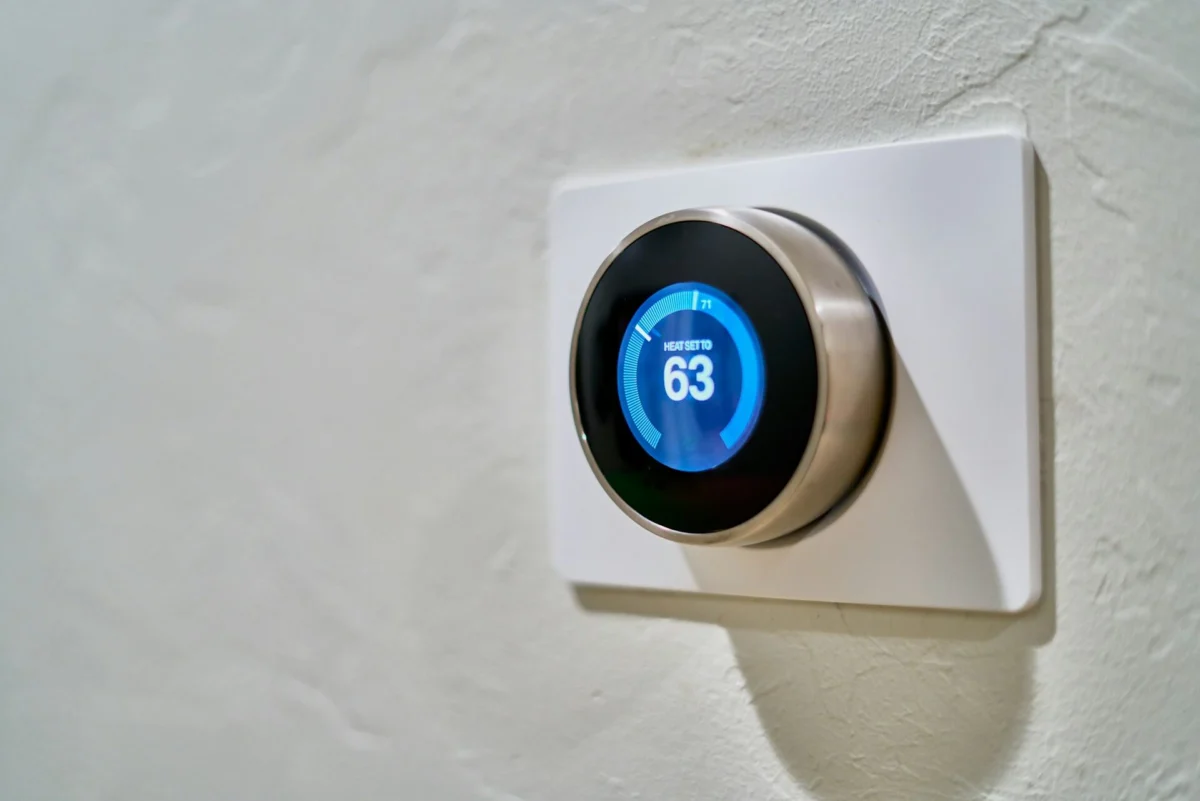
Your home’s thermostat acts as the literal "brain" of your HVAC ecosystem. It monitors ambient indoor temperatures, interprets your comfort settings, and sends low-voltage electrical signals to the furnace and outdoor condenser to initiate cooling cycles.
- Dead Batteries: Many digital thermostats rely on internal batteries to maintain their programming and power the display. If these batteries die, the thermostat loses its ability to communicate with the HVAC board.
- Incorrect Settings: A family member may have accidentally switched the system mode from "Cool" to "Heat" or "Off," or the target temperature may be set higher than the current room temperature.
- Calibration Drift: Over time, internal sensors can lose their calibration, causing the thermostat to misread the ambient temperature and fail to trigger a cooling call.
2. Power Supply and Electrical Disruptions
Air conditioning units draw substantial amounts of electricity, making them highly sensitive to power disruptions.
- Tripped Circuit Breakers: The heavy electrical draw of a central AC compressor can occasionally overload a household circuit breaker, causing it to trip. This is a deliberate safety feature designed to prevent electrical fires.
- Blown Fuses: Many outdoor condenser units feature a disconnect box containing heavy-duty fuses designed to protect the system from power surges.
- The Float Switch and Condensate Drain: Modern high-efficiency AC units produce significant amounts of condensation. If your condensate drain line becomes clogged with algae, mold, or debris, water can back up into the drain pan. To prevent water damage to your home, a safety device called a float switch trips, cutting power to the entire HVAC system until the blockage is cleared.
3. Dirty or Clogged Air Filters
An air filter is the lungs of your HVAC system. When it becomes completely choked with dust, lint, and pet fur, airflow drops precipitously.
- Restricted Airflow Consequences: Without adequate airflow, the evaporator coils inside your indoor unit cannot absorb heat effectively. This causes the liquid refrigerant inside the coils to drop to freezing temperatures, turning the condensate on the coils into solid ice.
- Thermal Overload: As the ice builds up, it blocks airflow entirely. Simultaneously, the system compressor works overtime to compensate, generating extreme internal heat. Eventually, the system’s internal limit switches trip, shutting down the AC unit to prevent a catastrophic motor burnout.
Step-by-Step Practical Solutions: DIY Troubleshooting
Before picking up the phone to schedule an emergency service call, homeowners can safely perform several preliminary diagnostic and maintenance steps.
Safe Air Filter Replacement Procedures
Replacing a disposable fiberglass or pleated air filter is the single most effective DIY task a homeowner can undertake. Follow these systematic steps:
- Power Down the System: Always turn off your thermostat and the master power switch to the HVAC unit before handling filters to prevent dust from being sucked directly into the blower motor.
- Locate the Filter Housing: Find the filter slot, which is typically located where the return air duct meets the main furnace or air handler cabinet, or inside a dedicated return grille in the ceiling or wall.
- Inspect and Note the Flow Arrow: Remove the old filter. Note the directional airflow arrows printed on the frame of the filter, which should point toward the unit and away from the return duct.
- Install the New Filter: Insert the new filter, ensuring the directional arrows point in the correct direction. Secure any access doors tightly.
Cleaning Reusable Air Filters
If your system is equipped with a permanent, washable electrostatic or mesh filter, the cleaning process requires care:
- Power Down and Remove: Turn off the HVAC system and carefully slide the washable filter out of its housing without dislodging trapped dust into the surrounding living space.
- Vacuum Loose Debris: Use a soft brush attachment on a vacuum cleaner to gently remove loose surface dust and large particulate matter.
- Rinse Thoroughly: Take the filter outdoors and flush it with clean water from a garden hose, spraying from the clean side to the dirty side to push trapped particles back out. For stubborn grime, use a mild dish soap solution.
- Dry Completely: Allow the filter to air dry completely in a shaded area before reinstalling it. Never install a damp filter, as moisture will instantly attract household dust and encourage mold growth.
Official Industry Perspectives and Professional Standards
When DIY troubleshooting yields no results, or when complex mechanical anomalies present themselves, professional HVAC technicians step in to restore system integrity. Industry leaders and professional service networks emphasize that attempting to bypass safety controls or tamper with high-voltage electrical components carries severe risks of personal injury, electrocution, and permanent equipment destruction.
According to technical service bulletins from major equipment manufacturers, homeowners should immediately relinquish diagnostic control under specific conditions:
- Refrigerant Handling Restrictions: Under federal environmental regulations (Clean Air Act), only certified technicians possessing EPA Section 608 certification are legally permitted to handle, purchase, or recover hydrochlorofluorocarbon (HCFC) and fluorocarbon (HFC) refrigerants. Low refrigerant levels indicate a leak that requires specialized electronic detection equipment to locate and repair.
- Electrical Complexity: Capacitors store massive amounts of electrical charge even when the main power switch is turned off. Accidental contact with a charged capacitor can deliver a fatal electrical shock. Professional technicians utilize specialized discharge tools and multimeters to safely test voltage across components like contactors, fan motors, and control boards.
Implications: Repairing vs. Replacing Your Aging AC Unit
When a professional technician diagnoses a non-functional AC unit, homeowners frequently face a pivotal financial decision: should they invest in a costly repair, or put those funds toward a brand-new, energy-efficient system?
1. The Financial Threshold of Repairs
As an air conditioning system ages past the 10-year mark, major components—such as the compressor, condenser fan motor, or evaporator coil—are increasingly prone to failure. HVAC professionals often apply the "50% Rule": if the cost of the repair approaches or exceeds 50% of the estimated replacement cost of the entire system, and the unit is more than 10 years old, replacement is the more prudent long-term investment.
2. Energy Efficiency Dividends
Older AC units typically operate at a Seasonal Energy Efficiency Ratio (SEER) rating of 8 to 10, whereas modern systems start at a baseline SEER2 rating of 14 or higher, with high-efficiency units exceeding 20. Upgrading an aging, failed unit can slash summer cooling electricity bills by 20% to 40%, offsetting the initial capital investment over time.
3. Home Resale Value and Indoor Air Quality
A modern, reliable HVAC system is a major selling point in the North Ridgeville real estate market. Furthermore, new systems incorporate advanced multi-stage filtration, variable-speed blowers, and smart-home integration, drastically improving indoor air quality and humidity control.
Preventative Maintenance: Protecting Your Investment
The best way to handle an AC emergency is to prevent it from happening in the first place. Climate-Tech recommends a strict preventative maintenance regimen:
- Bimonthly Filter Inspections: Check your air filters every 30 to 60 days, especially during peak cooling and heating seasons. Homes with multiple pets or allergy sufferers may require monthly replacements.
- Annual Professional Tune-Ups: Schedule a comprehensive seasonal inspection in the spring before the summer heat arrives. A certified technician will lubricate moving parts, measure refrigerant pressures, flush condensate lines, test electrical connections, and clean outdoor condenser coils.
- Clear Outdoor Debris: Maintain a minimum clearance of two feet around your outdoor condenser unit. Trim back overgrown shrubs, clear away fallen leaves, and prevent lawnmower debris from settling against the cooling fins.
Conclusion: When to Call the Experts
Understanding why your air conditioning unit refuses to turn on empowers you to take decisive, safe action. Simple checks—such as resetting a tripped breaker, replacing a clogged filter, or adjusting thermostat settings—frequently resolve sudden cooling interruptions without professional assistance.
However, if you have exhausted these basic troubleshooting steps and your home remains uncomfortably warm, it is time to bring in certified professionals. HVAC emergencies do not adhere to standard business hours. Climate-Tech maintains dedicated emergency response teams available 24/7 to diagnose complex electrical failures, repair refrigerant leaks, and restore reliable comfort to North Ridgeville households.
Don’t let a sudden AC breakdown disrupt your summer peace of mind. Reach out to Climate-Tech today to schedule professional diagnostics, sign up for preventative maintenance plans, or consult with an expert on upgrading your home cooling infrastructure.