By the Procurement Leaders Editorial Desk
Published in the CPO Crunch Insights Series
Main Facts
The modern Chief Procurement Officer (CPO) role is one of the most demanding, high-stakes positions in the corporate hierarchy. Operating at the intersection of volatile global supply chains, escalating inflationary pressures, strict regulatory compliance, and rapid digital transformation, today’s procurement leaders face relentless pressure.
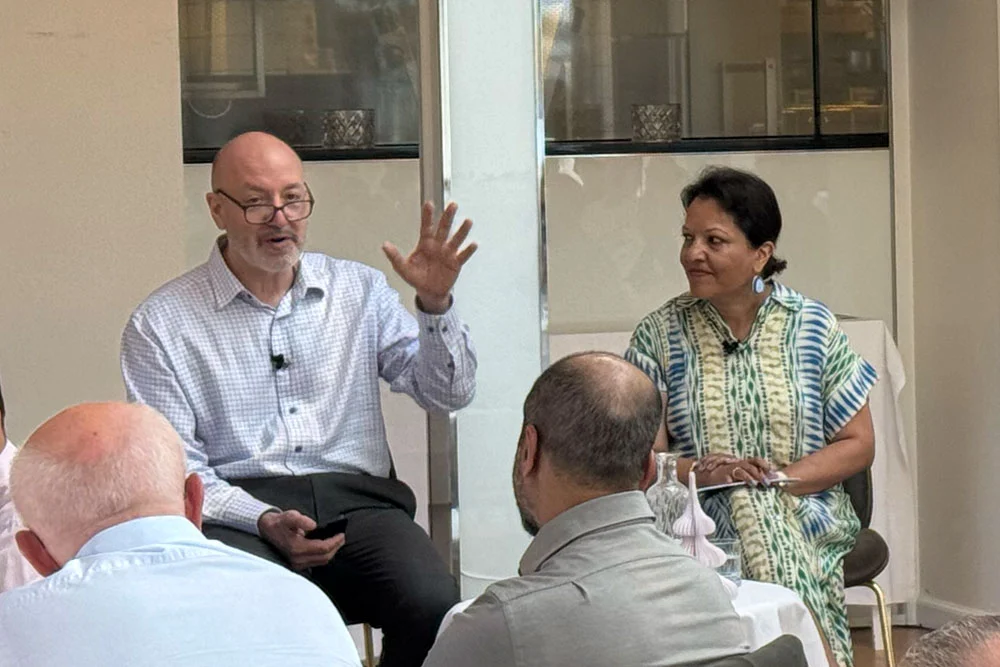
In response to this escalating intensity, industry experts and leadership communities are emphasizing the critical need for executive recharge strategies. Chief among these solutions is peer-to-peer connection stripped of corporate formalities—informal networking aided by shared experiences, from casual dinners to outdoor activities like golf. By removing rigid agendas, procurement leaders can decompress while organically generating invaluable professional insights.
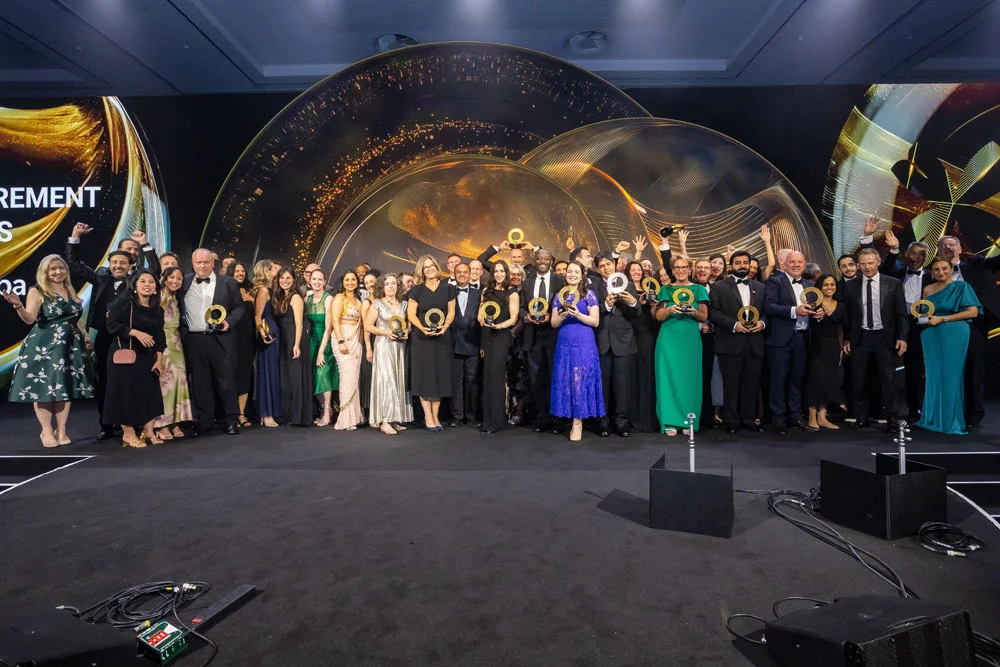
Simultaneously, industry institutions are championing another vital antidote to burnout: the deliberate celebration of team successes. For over two decades, platforms such as the World Procurement Awards have served as a benchmark for excellence, honoring groundbreaking achievements across the global procurement function.
The launch of the 2027 World Procurement Awards has officially opened for entries, accompanied by a panel of distinguished CPOs who have stepped forward to serve as judges. Despite managing suffocatingly busy schedules, these leaders voluntarily commit dozens of hours to evaluate submissions. Far from being a burden, participation in the judging process has emerged as a net energy giver—offering executives access to cutting-edge innovations, powerful networking opportunities, and a profound sense of industry stewardship.
Chronology: The Evolution of CPO Burnout and Recognition
The Shift Toward High-Pressure Procurement (Pre-2020)
For decades, procurement was viewed primarily as a transactional, back-office cost-cutting function. However, as globalization accelerated, CPOs were thrust into the strategic spotlight. They became responsible for risk management, corporate social responsibility (CSR), and maintaining business continuity. As responsibilities multiplied, the mental and operational toll on executive leadership began to rise.
The Pandemic Disruption (2020–2022)
Global supply chain disruptions during the COVID-19 pandemic permanently altered the perception and pressure of the CPO role. Overnight, procurement became a board-level priority. CPOs worked around the clock to secure critical materials, manage skyrocketing shipping costs, and navigate geopolitical trade fractures. Burnout rates among senior supply chain and procurement professionals surged to historic highs.
The Post-Crisis Quest for Balance and Community (2023–2025)
Recognizing the unsustainable nature of continuous crisis management, industry networks began pivoting toward mental wellbeing and community-driven support. Leadership forums increasingly promoted "neutral environments"—such as dinners, wine tastings, and recreational sports—where CPOs could drop their guard, share vulnerabilities, and realize they were not alone in facing unprecedented challenges.
The Launch of the 2027 World Procurement Awards Cycle (Present)
Marking over 20 years of celebrating excellence, the World Procurement Awards officially opened its entry cycle for 2027 last week. Alongside this milestone, a handpicked panel of top-tier global CPOs committed their time to judge the entries. This development highlights a cultural shift within executive leadership: viewing high-level peer evaluation not as an administrative chore, but as an energizing opportunity for professional growth and community give-back.
Supporting Data & Industry Insights
To understand why intentional recharging and award participation matter so much, one must examine the metrics defining the modern CPO workload and the structural benefits of executive community engagement.
- The Scope of Pressure: According to recent global supply chain surveys, over 78% of CPOs report feeling regular or high levels of stress due to macroeconomic unpredictability, cyber threats, and supplier insolvencies.
- The Power of Informal Networking: Research into executive productivity indicates that informal peer interactions—those lacking rigid PowerPoint decks or formal agendas—boost creative problem-solving by up to 45%. When CPOs gather in relaxed settings (over meals, walking meetings, or sports), the psychological safety allows for candid discussions regarding failed strategies, vendor negotiations, and technological adoption.
- Longevity of Recognition Programs: Established over 20 years ago, the World Procurement Awards have evaluated thousands of corporate entries, charting the evolution of the profession from basic purchasing to advanced, sustainable value creation.
- The Net Energy Giver Phenomenon: Surveys of executive judges across leadership panels reveal that 92% experience a renewed sense of inspiration after reviewing industry case studies. Far from draining their energy, evaluating peer innovation exposes leaders to out-of-the-box methodologies that they can directly apply within their own organizations.
Official Responses and Perspectives
Industry leaders and participating judges have voiced strong support for both informal community-building and active participation in prestigious evaluation processes like the World Procurement Awards.
Reflections on Informal Connection:
"Whatever your poison, the secret is to remove intensity and formal agendas, and let the conversation go where it goes. Nine times out of 10, the discussion will travel to incredibly valuable places," notes commentary from the Procurement Leaders community network.
By creating safe spaces devoid of corporate posturing, leaders are able to metabolize stress and return to their teams with renewed clarity.
Judges’ Perspectives on the 2027 World Procurement Awards:
When invited to take on the demanding role of judging the upcoming awards cycle, CPOs across multinational enterprises responded with overwhelming enthusiasm. Rather than viewing the assignment as an intrusion on their packed calendars, respondents utilized words such as:
- "Privileged"
- "Honoured"
- "Excited"
One participating CPO noted that reviewing submissions offered a front-row seat to the bleeding edge of global commerce:
"It is a really insightful and rewarding process. You aren’t just ticking boxes; you are looking at the absolute best-in-class innovations happening worldwide, which feeds directly back into how we think about our own strategic roadmap."
Organizers emphasize that this enthusiasm is the primary reason why such busy executives willingly surrender their weekends and evenings to the cause: it provides a high-return emotional and intellectual dividend.
Implications for the Future of Procurement
The intersection of executive burnout management, peer community building, and prestigious recognition programs carries profound implications for the future of the corporate supply chain function.
1. Combating Executive Attrition
As the demands placed on CPOs continue to grow, organizations that fail to support executive mental health and sustainable work habits risk severe leadership turnover. Cultivating spaces for informal peer connection is no longer a luxury perk—it is an operational necessity for retaining top-tier supply chain talent.
2. Accelerating Innovation Through Shared Intelligence
Programs like the World Procurement Awards act as massive repositories of industry best practices. When senior executives step up to judge these awards, they act as conduits of knowledge transfer. The insights gained from reviewing hundreds of global entries filter down into corporate strategies, accelerating digital adoption, sustainable sourcing, and risk mitigation across industries.
3. Elevating the Status of the Function
By actively celebrating success and publicizing groundbreaking achievements, the procurement profession continues to shed its historical image as a back-office administrative cost center. Award platforms validate the strategic importance of CPOs, ensuring that procurement has a permanent, respected voice at the executive table.
Conclusion
The journey of a Chief Procurement Officer is fraught with relentless challenges, but it is also a field defined by monumental impact and innovation. By intentionally carving out time to recharge—whether through relaxed peer networking or engaging with the global community through initiatives like the World Procurement Awards—leaders can transform isolation into camaraderie and burnout into boundless energy.
To receive weekly insights, expert analysis, and community updates from the Procurement Leaders network, sign up to the CPO Crunch newsletter.