Executive Summary: Transforming the Pilgrimage Experience
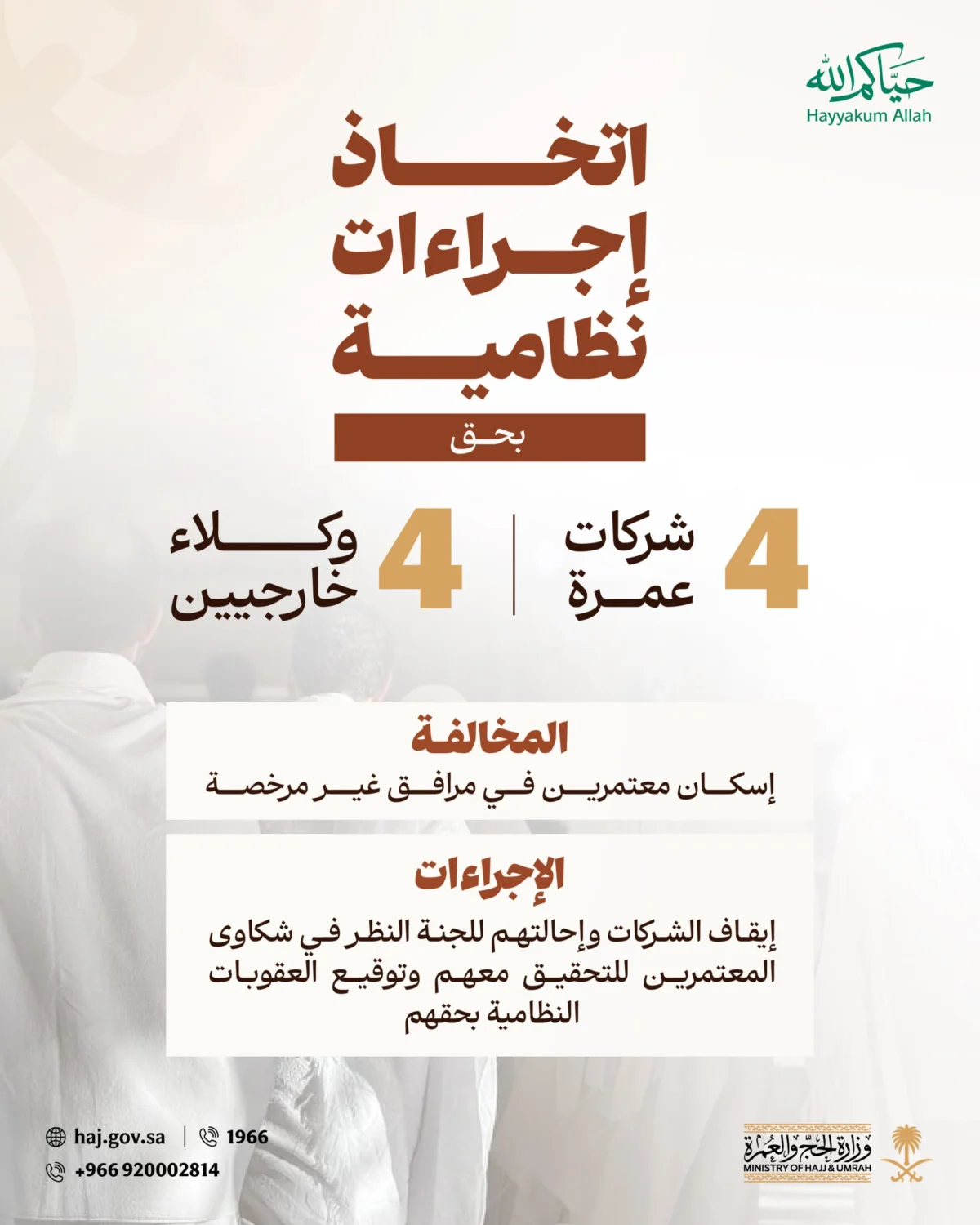
The Kingdom of Saudi Arabia continues to advance its multi-layered operational, administrative, and technological transformation across the holy sites of Makkah and Madinah. Driven by the strategic roadmap of Saudi Vision 2030, the relevant governmental authorities—most notably the Ministry of Hajj and Umrah, alongside specialized administrative bodies—have instituted sweeping enhancements designed to redefine the global pilgrim journey.
These comprehensive developments reflect a deliberate pivot from traditional bureaucratic processing to a modern, digitally integrated, and exceptionally secure operational framework. By deploying advanced data analytics, artificial intelligence (AI), biometric verification systems, and state-of-the-art crowd management technologies, the Kingdom aims to safely accommodate surging volumes of international worshippers while guaranteeing uncompromised standards of comfort, safety, and spiritual enrichment.
The Strategic Imperative: Vision 2030 and Pilgrim Welfare
At the core of the ongoing administrative overhaul is the optimization of the Hajj and Umrah ecosystems. Historically, managing the influx of millions of visitors within compressed seasonal windows presented complex logistical challenges. Under Vision 2030, however, the approach has shifted from reactive crowd control to proactive, predictive resource allocation.
The Ministry of Hajj and Umrah, in close coordination with security forces, municipal agencies, and specialized service providers, has systematically modernized the entire infrastructure of the Two Holy Mosques. This transformation targets several critical pillars:
- Capacity Expansion: Upgrading physical architecture, expansion zones, and transit nodes to comfortably absorb higher density thresholds without compromising safety margins.
- Digital Integration: Transitioning to unified digital platforms (such as the Nusuk application) that streamline visa issuance, permit applications, accommodation booking, and itinerary management into a single user-friendly interface.
- Health and Safety Protocols: Embedding rigorous public health monitoring systems, advanced medical triage points, and rapid-response emergency networks across all sacred boundaries.
- Logistical Optimization: Enhancing transportation networks, including the Haramain High-Speed Railway and specialized shuttle systems, to ensure fluid transitions between Makkah, Madinah, and the holy sites of Mina, Arafat, and Muzdalifah.
Chronological Evolution of Modernization Efforts
The systematic modernization of the Hajj and Umrah sectors has unfolded through a series of carefully planned phases, aligning with national milestones and technological breakthroughs.
1. The Foundation Phase (Pre-2016)
Prior to the launch of Vision 2030, the management of millions of pilgrims relied heavily on manual processes, localized coordination committees, and physical queue management. While effective in maintaining general order, these legacy methods faced severe bottlenecks during peak seasons, resulting in extended wait times and high operational stress on security personnel.
2. The Digital Transition and Infrastructure Overhaul (2016–2020)
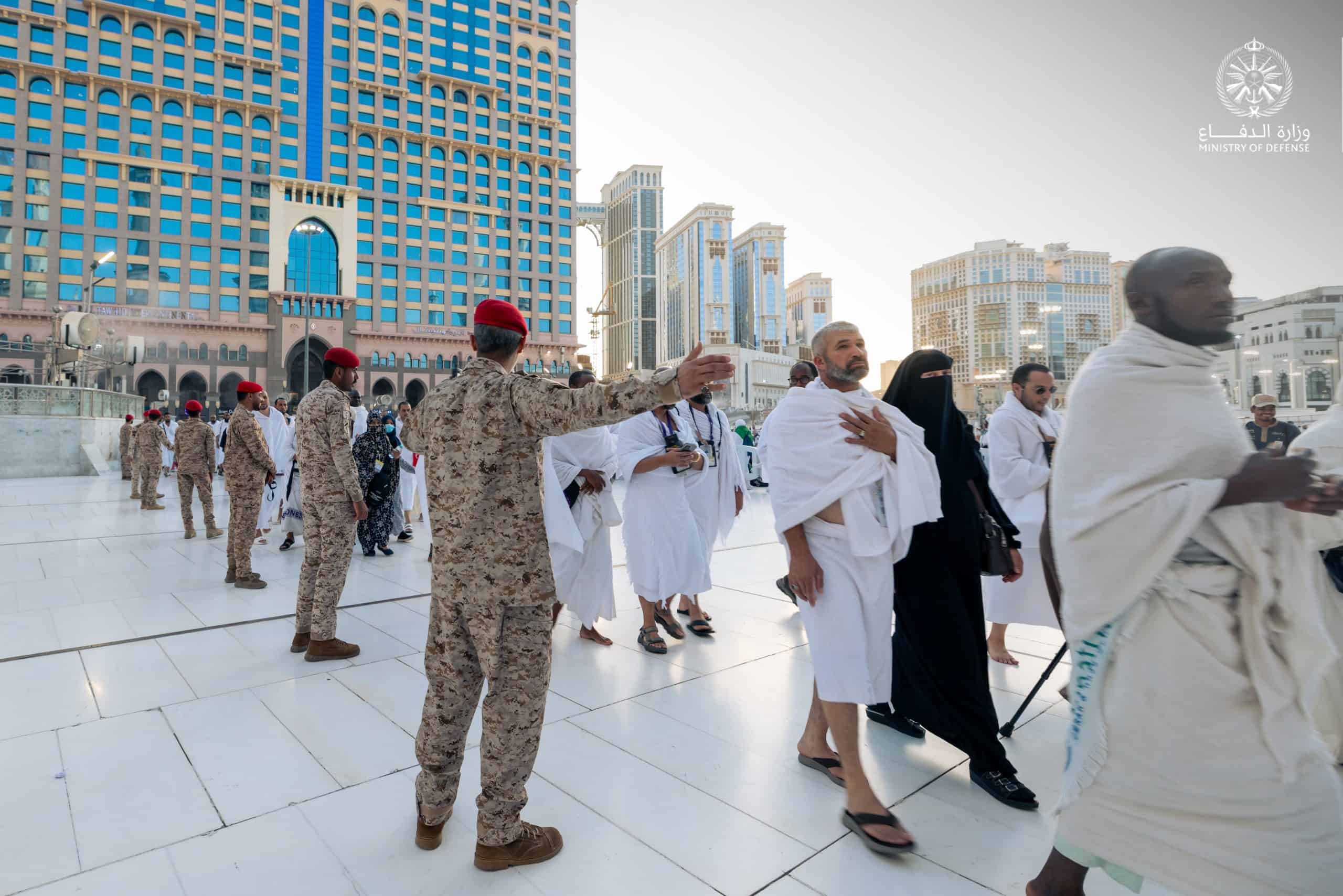
Following the adoption of Vision 2030, the Saudi government prioritized digital infrastructure as a primary driver of operational excellence. The introduction of electronic visa processing laid the groundwork for remote applications. Simultaneously, expansive civil engineering projects around the Grand Mosque (Al-Masjid al-Haram) and the Prophet’s Mosque (Al-Masjid an-Nabawi) significantly increased spatial capacities, introducing advanced cooling systems, shaded walkways, and reinforced pedestrian bridges.
3. The Smart Ecosystem and AI Integration (2021–Present)
The post-pandemic era catalyzed a technological revolution in crowd management. The deployment of the Nusuk platform centralized pilgrim services globally. Today, real-time data feeds, AI-driven pedestrian flow monitoring, and Internet of Things (IoT) sensors deployed throughout the Haram allow operations rooms to predict congestion points hours before they materialize. Authorities can dynamically reroute pedestrian streams, broadcast multilingual safety alerts, and deploy targeted logistical interventions instantaneously.
Detailed Operational Data and Infrastructure Metrics
The scale of operations managed by the Ministry of Hajj and Umrah is unprecedented on a global civic scale. Managing millions of individuals from over 180 countries requires precise quantitative metrics and meticulous planning.
Quantitative Infrastructure Overview
- Geographic Scope: Continuous optimization across thousands of operational zones spanning Makkah, Madinah, Mina, Arafat, and Muzdalifah.
- Transit Capacity: The integration of high-capacity mass transit systems, including the Al-Mashaer Al-Mugaddassah Metro and expanded fleet networks of modern air-conditioned buses, moving hundreds of thousands of pilgrims hourly during peak days.
- Medical Infrastructure: Dozens of fully equipped hospitals, specialized health centers, and mobile emergency units staffed by thousands of multi-lingual medical professionals deployed strategically across all holy sites.
- Digital Adoption: Over 90% of international and domestic transactions—spanning visa requests, permit bookings, and service payments—are now processed entirely via digitized, contactless platforms.
Official Responses and Institutional Statements
Leadership across key Saudi institutions has repeatedly emphasized that the ultimate objective of Vision 2030 in this sector is to facilitate the spiritual journey with utmost ease and tranquility.
Representatives from the Ministry of Hajj and Umrah have highlighted that the integration of artificial intelligence and automated crowd analytics is not merely about efficiency, but about dignity and safety. "Every pilgrim is a guest of the Rahman (the Most Merciful), and serving them is our highest national honor," noted a senior ministry official. "Our technological investments are designed to ensure that each visitor can perform their sacred rites in an atmosphere of profound peace, security, and spiritual focus."
Similarly, the General Authority for the Care of the Affairs of the Grand Mosque and the Prophet’s Mosque has underscored the importance of round-the-clock maintenance, continuous sanitization protocols, and advanced translation services. Through localized communication channels and official media platforms, the Authority regularly briefs the public on crowd density levels, optimal timing for rituals, and adherence to safety guidelines, ensuring open channels of communication between administrators and worshippers.
Broader Implications: Economic, Social, and Global Impact
The comprehensive transformation of the Hajj and Umrah sectors carries profound implications that extend far beyond administrative efficiency.
1. Economic Diversification and the Service Economy
In alignment with Vision 2030’s goal of reducing economic dependence on oil, the religious tourism sector serves as a vital economic engine. The modernization of hospitality infrastructure, culinary services, retail, transport, and aviation stimulates substantial domestic and foreign investment. Furthermore, the creation of high-skilled jobs in data analytics, digital hospitality management, and smart-city operations elevates the professional standards of the Saudi workforce.
2. Global Benchmarking in Crowd Management
The methodologies pioneered by Saudi Arabia in managing multi-million-person gatherings within confined geographic spaces have established new global benchmarks. International civic planners, security experts, and academic researchers frequently study the Kingdom’s integrated command centers, spatial tracking models, and emergency response frameworks as gold standards for large-scale event management.
3. Enhancing the Pilgrim Experience
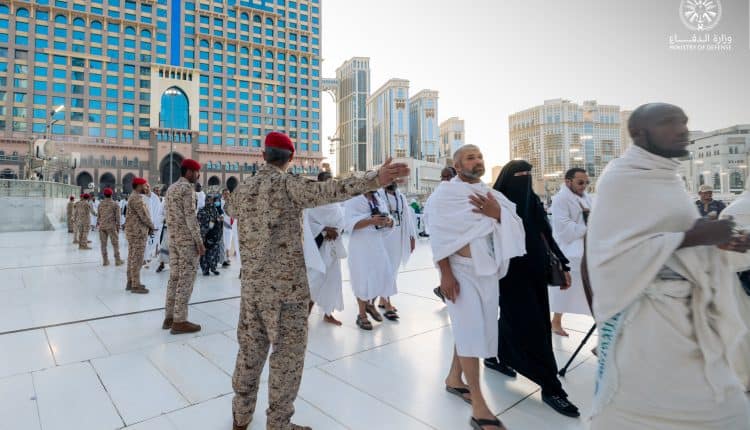
Ultimately, the success of these initiatives is measured by the qualitative feedback of the pilgrims themselves. Reduced waiting times at entry points, enhanced thermal comfort in outdoor courtyards via advanced misting systems, streamlined digital access, and transparent guidance have collectively transformed a historically arduous journey into a seamless, deeply spiritual experience.
Conclusion
As Saudi Arabia steadfastly advances toward the realization of Vision 2030, the ecosystem governing Hajj and Umrah stands as a shining testament to the harmonious convergence of modern technology, strategic foresight, and unwavering dedication to service. By continuously upgrading physical infrastructure, refining digital touchpoints, and prioritizing the safety and comfort of every visitor, the Kingdom reaffirms its historic and sacred commitment to welcoming the world’s Muslims to the Two Holy Mosques with excellence, grace, and operational mastery.