VIRGINIA — As the debate over the future of America’s energy landscape reaches a boiling point, the proposed mega-merger between utility giants Dominion Energy and NextEra Energy has drawn fierce opposition from high-ranking state officials, local lawmakers, and consumer advocates. The transaction, which would create the nation’s largest electric utility, is currently under an intensive 180-day review by the Virginia State Corporation Commission (SCC).
With public hearings drawing packed houses and mounting anxiety over runaway utility bills, data center expansion, and corporate accountability, the impending merger has transformed into one of the most contentious regulatory battles in modern Virginia history.
Main Facts
The proposed multi-billion-dollar combination of Dominion Energy and NextEra Energy threatens to reshape the American power sector by centralizing unprecedented market power in a single entity. However, the prospect of forging the nation’s largest electric utility has triggered widespread alarm across the Commonwealth.
At the core of the controversy is the fear of soaring utility bills for everyday residents. Critics argue that the consolidation will eliminate competitive pressures, leaving captive ratepayers with limited recourse against steep rate increases. Furthermore, the merger arrives amid an unprecedented boom in energy demand driven by the rapid proliferation of data centers throughout Northern Virginia—often referred to as "Data Center Alley."
Opponents, including top state leaders and federal lawmakers, contend that ordinary families should not be forced to subsidize corporate infrastructure expansion. Compounding these financial worries are lingering ethical and legal concerns surrounding NextEra’s corporate history, including a recent high-profile political scandal in Florida that resulted in a massive financial settlement. As the SCC weighs the merits of the transaction, the fundamental question facing regulators is whether the merger serves the public interest or primarily benefits corporate shareholders.
Chronology of the Regulatory Review
The regulatory pathway for the Dominion-NextEra merger is moving swiftly under the SCC’s strict 180-day review schedule, providing a narrow window for public scrutiny and evidentiary evaluation:
- June 2026: NextEra agrees to a $150 million settlement to resolve allegations that it lied about its involvement in political interference schemes in Florida.
- August 2026: Virginia Governor Abigail Spanberger officially files with the SCC to become a respondent in the merger case, signaling deep administrative caution regarding the deal.
- September 2, 2026: Clean Virginia files a motion to compel the release of a confidential internal document, known as the "Robo memo," detailing potential unlawful conduct by Florida Power & Light officers.
- October 2, 2026: SCC Chief Hearing Examiner Mathias Roussy rules in favor of releasing the Robo memo to the public docket.
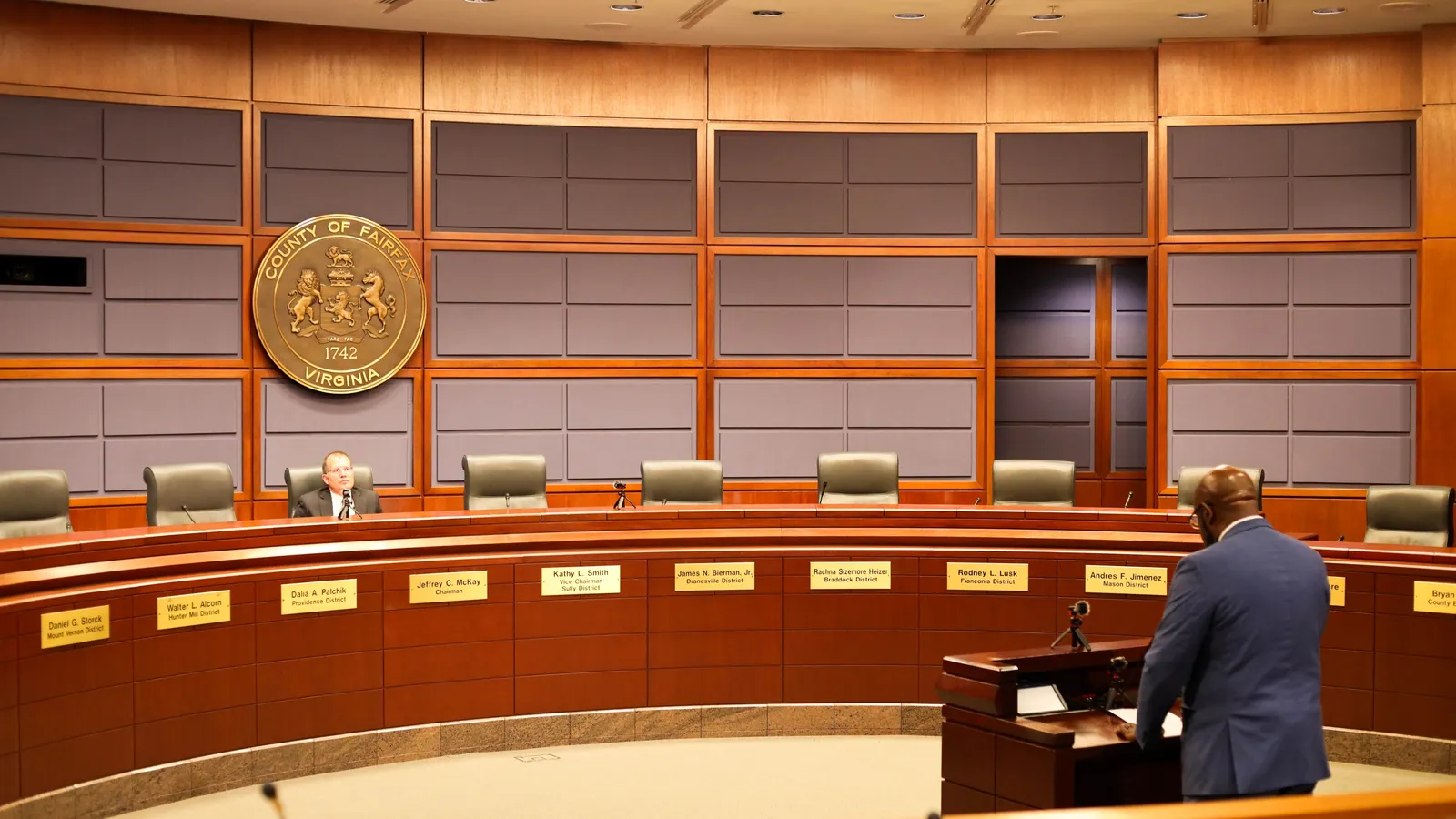
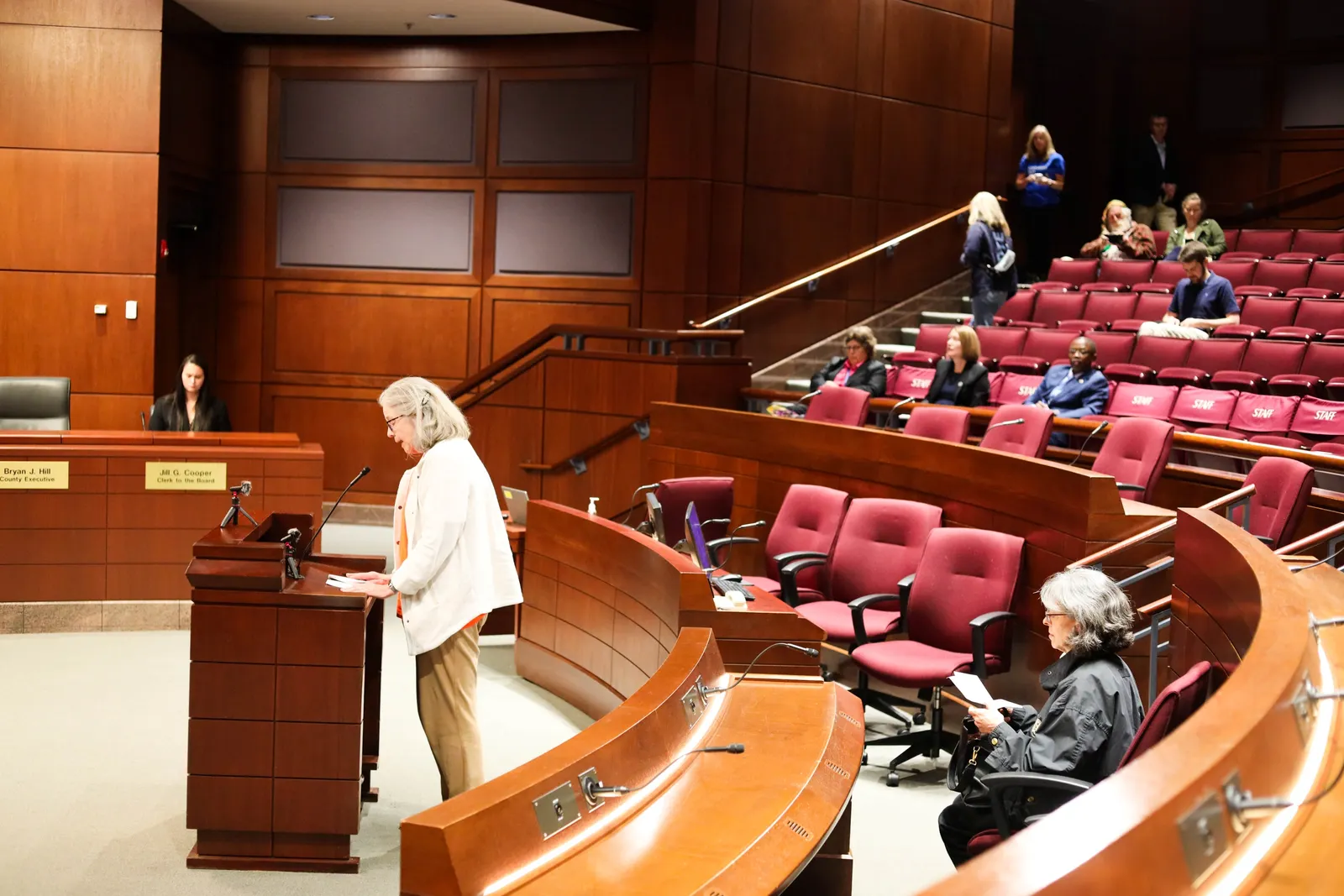
- October 7, 2026: The first of two local, in-person public hearings is held in Newport News, Virginia.
- October 9, 2026: The second local public hearing convenes, drawing testimony from state legislators, local council members, labor representatives, and federal officials.
- November 5, 9, and 10, 2026: Scheduled dates for public testimony via telephonic hearings.
- November 17, 2026: The formal evidentiary hearing in the merger case begins.
- January 2027: Under the 180-day review clock, the SCC is legally required to issue its final decision on the merger.
Supporting Data and Energy Demands
The debate over the merger cannot be separated from the unique infrastructural pressures facing Virginia’s power grid. The state has become the global epicenter for data storage, hosting the largest concentration of data centers in the world. While these facilities are vital for modern digital infrastructure, they consume staggering amounts of electricity.
During the October 9 public hearing, labor perspectives highlighted the complex balancing act required to manage this digital growth. Don Slaiman, political coordinator for the International Brotherhood of Electrical Workers (IBEW) Local 26—representing electrical workers in the Washington, D.C., area—offered a pragmatic defense of the industry. Although Slaiman noted that his union was still actively negotiating with both NextEra and Dominion regarding labor agreements, he pushed back against blanket criticisms of data centers.
"If we did not have data centers to store this data and we reserved it to private service, we’d be using almost half of our grid instead of the 6% or 7% we’re using now," Slaiman testified. "So unless you’re ready to curb your own digital footprint, I would not admonish this industry so much, which has provided fantastic jobs for my membership."
Despite the economic benefits to union members, critics argue that the sheer scale of the energy required by data centers is driving up costs for residential customers. U.S. Rep. Eugene Vindman (D) emphasized this disparity in his testimony, asserting that NextEra’s primary motivation is profit extraction from Virginia’s tech boom.
"NextEra sees enormous profits to be made in Virginia, particularly with the explosion of data centers," Vindman said. "That is crystal clear. Data centers need to pay their fair share. Virginia families should not have to subsidize corporate expansion through higher utility bills."
Official Responses and Political Posture
Opposition to the merger spans a diverse coalition of federal, state, and local elected officials who have voiced varying degrees of skepticism and outright rejection of the deal.
Executive Branch Skepticism
Virginia Lieutenant Governor Ghazala Hashmi (D) released a definitive report following a five-city listening tour across the Commonwealth, concluding flatly that the merger is "not in the best interest of Virginians."
Governor Abigail Spanberger (D) has stopped short of issuing an outright veto or definitive stance, but has repeatedly described herself as "skeptical." By officially filing in August to become a respondent in the SCC case, Governor Spanberger ensured that the executive branch has a direct legal voice in challenging the utility giants.
Congressional and State Legislative Pushback
Federal and state lawmakers used the October hearings to register profound reservations:
- U.S. Rep. Eugene Vindman (D): Categorized the proposal as "a bad deal for Virginians," pointing out that Dominion already operates as an entrenched monopoly. He reminded the commission that its primary statutory duty is to protect vulnerable ratepayers.
- Alexandria City Councilman John Taylor Chapman: Warned that creating the nation’s largest electric utility exposes residents of Alexandria and surrounding municipalities to runaway costs with virtually no regulatory recourse, especially after years of dramatic rate hikes.
- Virginia State Senator Jennifer Boysko (D): Through a statement read by her chief of staff, Karen Harrison, Boysko refrained from taking a binary pro-or-con stance but highlighted a glaring lack of ratepayer protections in the merger proposal. She demanded a clear, binding commitment to the Virginia Clean Economy Act (VCEA).
- State Delegate Kirk McPike (D): Adopted a conditional stance, stating he would oppose the merger unless "ironclad guarantees" are established ensuring that taxpayer costs do not rise, large tech users pay for their own infrastructure, and VCEA milestones are met without corporate corruption.
- State Delegate John McAuliff (D): Focused heavily on the corrupting influence of money in politics, calling for a ban on campaign contributions from regulated utilities to the elected officials tasked with overseeing them.
Implications: Corruption Concerns and Clean Energy Commitments
Beyond the immediate financial burden on ratepayers, the merger has dredged up uncomfortable questions regarding corporate governance, ethical compliance, and long-term environmental targets.
The Shadow of the "Robo Memo"
Lawmakers and advocacy groups have raised serious red flags regarding NextEra’s corporate culture, pointing directly to a Florida political scandal. In June, NextEra agreed to a $150 million settlement over allegations that it lied about its involvement in illicit political interference schemes within the Sunshine State.
These anxieties were amplified by revelations surrounding Florida Power & Light’s internal document known as the "Robo memo." Filed within the SCC’s case docket but initially kept from public review, the document is officially titled “Florida Power & Light Officers’ Potentially Unlawful Conduct Through Third-Party Consultants and Vendors.” Following a motion to compel filed by Clean Virginia on September 2, SCC Chief Hearing Examiner Mathias Roussy ruled on October 2 in favor of releasing the memo, ensuring that its contents will face public scrutiny.
Threats to the Virginia Clean Economy Act
Clean energy advocates and legislators have also expressed deep concern that an acquisition by NextEra could dilute or derail Virginia’s statutory climate goals. State legislators reported that representatives from the utilities have offered evasive or dismissive answers when questioned about upholding the VCEA.
One state legislator recounted an alarming exchange during closed-door or preliminary discussions, noting that when asked about maintaining compliance with the VCEA, a Dominion executive vice president bluntly told the commission, "I am still your throat to choke." Lawmakers described the remark as emblematic of an arrogant corporate monopoly culture that views public oversight as an obstacle rather than a mandate.
As the evidentiary hearings approach on November 17, the pressure on the State Corporation Commission is immense. With consumer advocates, labor unions, environmental watchdogs, and political leaders all vying to shape the outcome, the SCC’s January decision will permanently define the trajectory of energy policy, consumer protection, and corporate accountability in Virginia for decades to come.