




LANSING, Mich. — State workplace safety regulators have determined that the Michigan Department of Transportation (MDOT) violated established safety protocols in connection with a tragic May collision on U.S. 127 that resulted in the deaths of two highway maintenance workers.
The Michigan Occupational Safety and Health Administration (MIOSHA) informed labor representatives that citations are being issued against the transportation agency following a months-long investigation. The probe centers on the operational procedures surrounding a rolling pothole repair detail that ended in disaster when a motorist lost control of a vehicle and struck the crew.
The incident has reignited intense scrutiny regarding the protection of roadside infrastructure crews, the enforcement of lane-closure mandates, and the inherent dangers faced daily by thousands of public sector employees who maintain America’s highways.
Main Facts of the Case
According to findings relayed to union officials, MIOSHA concluded that MDOT failed to maintain a safe workplace and neglected to adhere to mandatory safety procedures during the fatal operation on U.S. 127.
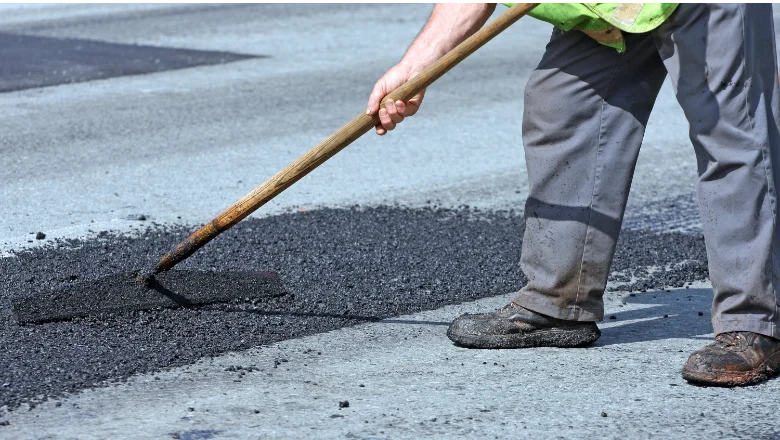
The core of the regulatory finding focuses on the configuration of the work zone. At the time of the crash, the crew was engaged in filling potholes along active travel lanes. While the right shoulder of the freeway had been closed off using a shadow vehicle equipped with a lighted electronic arrow sign, the active travel lanes where Bruce Wagner and Steve Spenle were working remained open to oncoming traffic.
According to union leadership and safety standards, the nature of the work—repairing roadway surfaces directly within travel lanes—demanded a much higher level of traffic control. Specifically, protocols dictate the physical closure of the adjacent travel lane and the deployment of specialized attenuator trucks, often referred to as crash cushions, designed to absorb the kinetic energy of errant vehicles and protect personnel.
Erik Bailey, executive director of the Michigan State Employees Association (MSEA)—the labor union representing the fallen workers—stated that MIOSHA officials formally notified union leadership of the citations.
"The protocols exist for one fundamental reason: to protect the lives of workers who are out there performing essential public service under dangerous conditions," Bailey said. "When those protocols are bypassed or improperly implemented, the consequences are catastrophic."
Chronology of Events
To understand the regulatory action taken by MIOSHA, it is necessary to trace the timeline of events leading up to and following the tragedy on U.S. 127:
- Mid-May: Bruce Wagner and Steve Spenle, both experienced members of the crew operating out of the MDOT Mason Maintenance Garage, report for duty. They are assigned to a rolling pothole repair detail on U.S. 127, a heavily traveled highway corridor in mid-Michigan.
- Late May (The Incident): While the crew is actively working on the roadway, a civilian driver traveling along the freeway loses control of their vehicle. The vehicle veers out of the travel lanes and strikes Wagner and Spenle. Both men sustain fatal injuries, plunging their families, colleagues, and the broader transportation community into grief.
- Late May – Summer: Law enforcement agencies launch a comprehensive crash reconstruction investigation. Simultaneously, MIOSHA initiates a formal workplace safety investigation into the operational practices of the MDOT Mason Maintenance Garage to determine whether state safety guidelines were followed.
- Thursday, October 22: MIOSHA contacts representatives from the Michigan State Employees Association to inform them that the investigation has concluded with findings of safety violations against MDOT. Union officials disclose the development to the public via the Lansing State Journal.
- Late October: While union officials confirm the issuance of citations, regulatory representatives clarify that the comprehensive, formal written report detailing every aspect of the violations may take several additional weeks to be officially published. The investigation into the Mason Maintenance Garage remains a matter of active public record development.
Supporting Data and Broader Context
The deaths of Wagner and Spenle are part of a broader, troubling national and statewide trend concerning occupational fatalities, particularly within the transportation and construction sectors.
Data provided by MIOSHA illustrates the ongoing dangers present in Michigan’s work environments:
- Current Year Statistics: As of late October, 44 individuals have lost their lives in workplace incidents across the state of Michigan.
- Comparative Historical Data: Over the course of the previous calendar year, MIOSHA recorded a total of 46 workplace fatalities statewide.
Road maintenance consistently ranks among the most hazardous occupations. Crews operating on high-speed corridors like U.S. 127 face constant exposure to distracted, fatigued, or speeding drivers. Traffic safety advocates and labor organizations have long argued that rolling maintenance operations—where crews move continuously to patch localized road defects—present unique tactical challenges that require rigorous, uncompromising adherence to traffic control plans.
According to federal highway safety guidelines, mobile operations require a precise choreography of advance warning signs, shadow vehicles, truck-mounted attenuators, and, when feasible, complete lane shifts or closures to establish a physical buffer between heavy traffic and human bodies. When these layers of protection are compromised, the margin for human error disappears entirely.
Official Responses and Agency Stances
The fallout from the MIOSHA citations has drawn sharp contrasts between the perspective of labor representatives and the official posture of the state transportation department.
The Labor Perspective
For the Michigan State Employees Association, the findings validate what they suspected immediately following the tragedy: that institutional failures contributed to the loss of life. MSEA leadership has maintained that cutting corners on traffic control—whether due to staffing pressures, time constraints, or procedural drift—creates unacceptable risks for frontline workers.
Union representatives have called for a transparent review of all mobile maintenance practices statewide to ensure that no other crews are operating under substandard safety conditions. They argue that honoring the memory of Bruce Wagner and Steve Spenle requires systemic reform and absolute accountability from state management.
The Transportation Department Response
MDOT has acknowledged that MIOSHA has completed its preliminary findings and issued citations, but the agency has formally rejected the conclusions reached by the workplace safety regulator.
Michael Frezell, a spokesperson for MDOT, addressed the agency’s position in an email statement to the Lansing State Journal.
"MDOT disagrees with the findings issued by MIOSHA," Frezell stated.
Furthermore, the transportation department emphasized that legal and investigative processes remain active, complicating their ability to discuss the operational specifics of the May incident in detail.
"There is still an ongoing criminal investigation in this tragic crash, so we cannot comment further at this time," Frezell added, pointing to the parallel inquiries being conducted by law enforcement officials regarding the driver who lost control of the vehicle.
Meanwhile, Mike Krafcik, a spokesperson for MIOSHA—which operates under the umbrella of the Michigan Department of Labor and Economic Opportunity—confirmed to reporters that the investigative file concerning the Mason Maintenance Garage remains open as administrative and regulatory procedures move toward their final conclusion.
Implications for Highway Safety and State Operations
The formal citation of a state agency by a state regulatory body is a significant development with wide-ranging implications for public administration, labor relations, and highway safety policy in Michigan.
1. Accountability in Public Sector Workplaces
While MIOSHA frequently cites private construction firms and manufacturing plants for safety infractions, regulatory actions against state agencies—especially regarding worker fatalities—are subject to intense public and political scrutiny. The case raises critical questions about how state departments govern themselves, enforce internal safety compliance, and balance the public demand for rapid infrastructure maintenance with the absolute imperative of worker protection.
2. Potential Policy and Procedural Reforms
The fallout from the U.S. 127 tragedy is likely to catalyze a comprehensive review of MDOT’s Standard Operating Procedures (SOPs) for mobile and rolling work zones. Industry experts suggest that the incident may prompt:
- Mandatory utilization of truck-mounted attenuators for all operations on multilane highways, regardless of perceived duration.
- Stricter enforcement of mandatory lane closures during pothole patching and minor maintenance tasks.
- Enhanced training programs focused on hazard recognition and situational awareness for maintenance supervisors and crew leaders.
- Increased investment in automated work zone safety technologies, such as automated intrusion alarms that alert workers when a vehicle breaches the perimeter of a closed lane.
3. Legal and Financial Ramifications
With an ongoing criminal investigation into the driver, potential civil litigation from the families of Bruce Wagner and Steve Spenle, and contested MIOSHA citations, the legal landscape surrounding the May crash is exceptionally complex. The contested findings by MDOT may lead to formal administrative hearings where safety experts, engineering witnesses, and union representatives will debate whether the agency’s protocols met statutory standards of care.
4. Psychological Toll on the Workforce
Beyond the legal and regulatory dimensions, the tragedy has left a profound emotional scar on the employees of the MDOT Mason Maintenance Garage and the broader community of highway workers across Michigan. Knowing that two of their peers went to work on a routine maintenance detail and did not return has heightened anxiety among field personnel. Labor advocates emphasize that restoring morale and trust within the workforce will require visible, demonstrable commitments from executive leadership to ensure that safety is never subordinated to operational expedience.
Conclusion
As the official, comprehensive MIOSHA report is prepared for public release in the coming weeks, the deaths of Bruce Wagner and Steve Spenle stand as a somber reminder of the perils faced by those who build and maintain America’s transportation networks.
While MDOT continues to contest the safety regulator’s findings amid an ongoing criminal investigation, the confrontation between state management and labor representatives underscores a universal truth: maintaining the nation’s infrastructure must never come at the expense of the lives of the workers who perform the labor. The ultimate resolution of this case will likely shape highway work zone safety protocols in Michigan for years to come.